




The Complex Role of Stablecoins in the Cryptocurrency Landscape
Stablecoins have emerged as a significant component of the cryptocurrency ecosystem, standing at the intersection of decentralized finance (DeFi) and traditional monetary systems. Despite contributing to the growth of DeFi, stablecoins present a paradox—they may inadvertently undermine one of the core tenets of cryptocurrency: democratizing finance. According to a recent report by the International Monetary Fund (IMF), the concentration of stablecoin issuance among leading private firms contradicts the decentralization philosophy that many cryptocurrencies aim to uphold.
The Dichotomy of Trust in Stablecoins
As Professor Eswar Prasad noted in the IMF report, the reliance of stablecoins on institutional trust marks a departure from the decentralized ethos championed by blockchain technology. While stablecoins enable seamless transactions and facilitate DeFi services, they ultimately depend on the credibility of the organizations issuing them rather than on decentralized systems. This creates a scenario where trust shifts away from algorithms and networks towards a select group of powerful institutions, contradicting the premise of decentralization that crypto enthusiasts advocate.
U.S. Dollar Dominance in Stablecoins
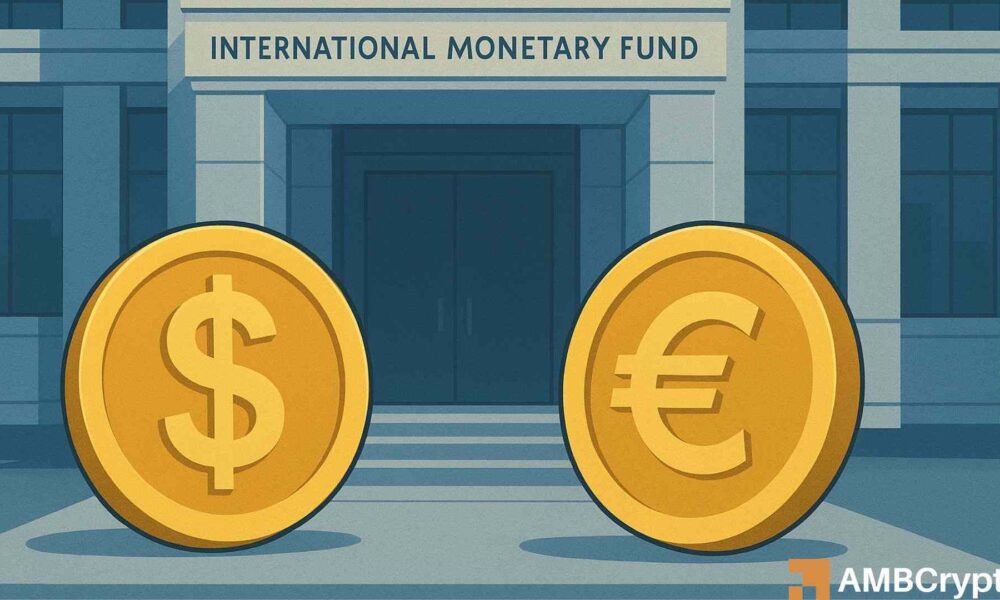
A glaring manifestation of this issue is the dominance of U.S. dollar-backed stablecoins in the market. Currently, U.S. dollar-backed stablecoins such as Tether (USDT) and Circle’s USD Coin (USDC) hold an impressive market supply exceeding $303 billion, making up 99.7% of the sector. This overwhelming dominance risks overshadowing alternative currencies, such as euro-backed stablecoins—which have seen gradual growth, reaching a market cap of $617 million—while also threatening the stability of economies with more volatile currencies. In countries experiencing high inflation, the pressure to seek stability often leads citizens to invest in these dollar-pegged assets, potentially resulting in capital outflows amounting to $1 trillion according to estimates from Standard Chartered.
The Response of Rival Economies
In light of the U.S. dollar’s prominence in the stablecoin space, the Eurozone and China are actively exploring digital currency options. These initiatives aim to counterbalance the U.S. dollar’s influence and provide citizens with viable alternatives. As central banks look to establish their digital currencies, they also intend to protect their economies from potential capital flight to dollar-backed stablecoins. This push for greater financial autonomy may reshape the competitive landscape of stablecoins as countries no longer wish to rely solely on the dollar.
A Different Perspective on Issuer Control
Adding complexity to the discussion surrounding stablecoins is the viewpoint of industry participants like Noritaka Okabe, CEO of JPYC Co. Okabe argues that the issuer control critique presented by the IMF doesn’t account for innovations fostering user autonomy. JPYC Co. offers a regulated yen-based stablecoin where users manage their assets using self-custodied wallets, thereby minimizing intermediary control. Such advancements might position stablecoins more in line with the decentralization principles some proponents advocate.
Recent Trends in Stablecoin Inflows
The stablecoin sector has recently witnessed a resurgence in inflows, demonstrating its vital role in facilitating faster and more reliable cross-border payments. Following the introduction of the GENIUS Act in July, which brought much-needed regulatory clarity, market supply crossed the $300 billion mark for the first time. Inflows have varied between $10 billion and $18 billion monthly from July to September, indicating heightened adoption fueled by regulations. While the market experienced a downturn in November, early indicators from December revealed a recovery in stablecoin activity, highlighting renewed interest in the crypto space.
Final Reflections
In summary, while stablecoins represent a technological advancement in cryptocurrency, they also heighten the risk of reinforcing existing power structures, particularly the dominance of the U.S. dollar. The recent influx of stablecoin investment signals a recovery in the market, but the conversation about decentralization, issuer trust, and regulatory frameworks will continue to evolve. If the challenges surrounding stablecoins can be addressed thoughtfully, they may yet fulfill their initial promise of democratizing finance, rather than perpetuating concentrated control in the hands of a few. The coming years will undoubtedly define how stablecoins align with the broader objectives of the cryptocurrency ecosystem.