



The Rise of Tokenized Finance: A Paradigm Shift in Global Markets
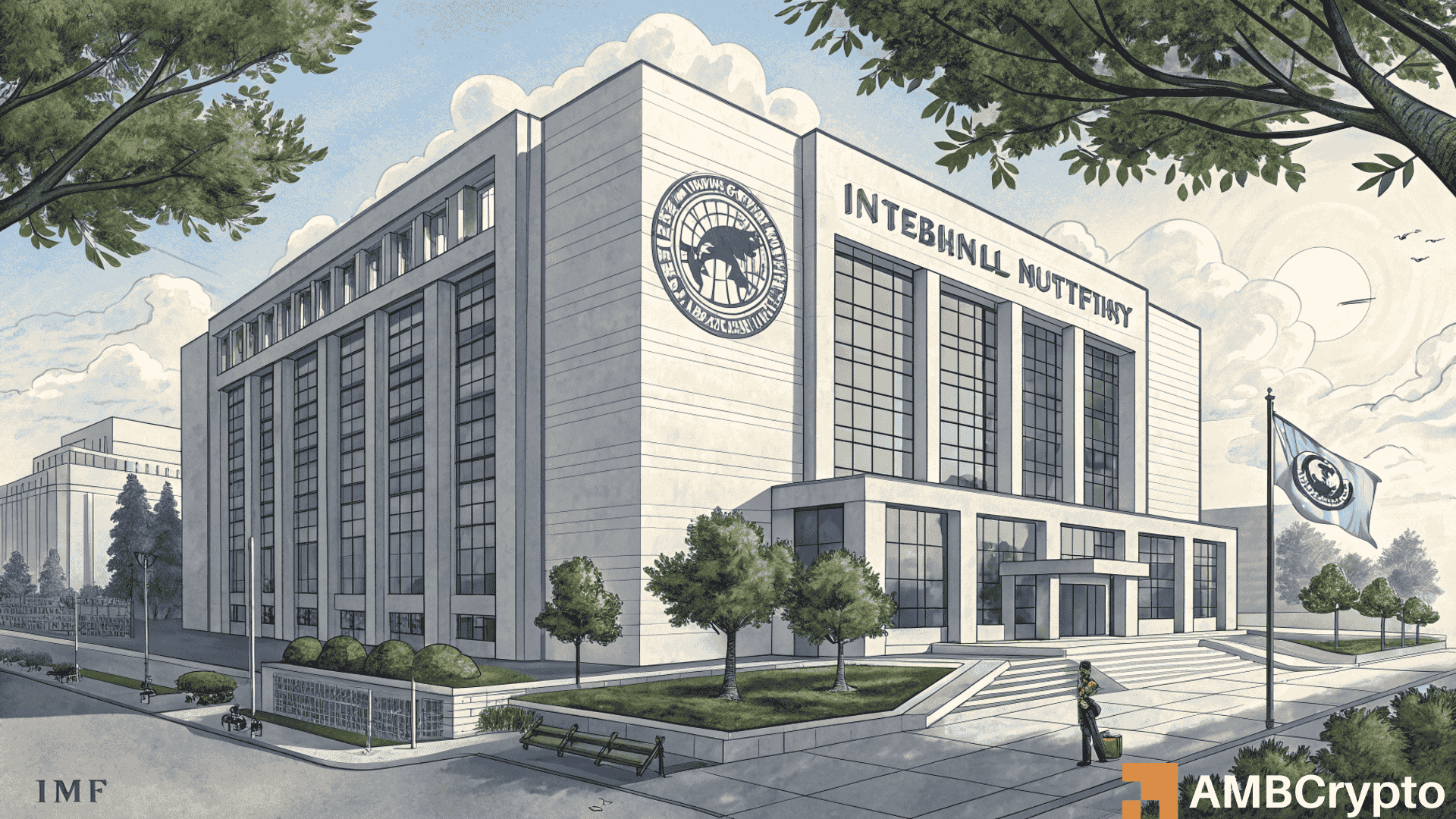
The International Monetary Fund (IMF) has recently issued a crucial warning regarding the rise of tokenized finance, emphasizing its potential to transform the global financial system fundamentally. This change is not merely an enhancement of existing frameworks but a structural shift that reconfigures how markets operate. As tokenized real-world assets (RWAs) gain traction, the IMF urges stakeholders to reevaluate risks associated with this emerging landscape.
Tokenization Moves from Concept to Reality
As of early April, data reflects that tokenized RWAs have reached a substantial valuation of approximately $27.5 billion. This rapid growth represents not a theoretical future but a present reality in financial markets. Notably, over $12 billion of this value is concentrated in U.S. Treasury products, indicating that institutional demand for yield-bearing and fixed-income products is currently driving the tokenization trend. While commodities and credit-based instruments also contribute to this market, tokenized equities and venture assets remain relatively minor players. This trend showcases a significant shift in the financial landscape, as traditional instruments increasingly adapt to blockchain-based settlement systems, setting the stage for broader adoption in the future.
A New Financial Architecture Built on Code
Tokenized finance fundamentally changes the foundation of trust in financial systems. Instead of relying on traditional intermediaries like banks and clearinghouses, transactions are conducted through smart contracts and distributed ledgers. This shift allows for near-instant settlements and around-the-clock market activity, reducing friction and counterparty risk. However, it is crucial to recognize that this transition also eliminates many of the buffers present in conventional finance, leading to a more volatile market environment.
Speed and Automation Introduce New Risks
Despite the efficiencies that tokenized markets offer, the IMF has raised alarms regarding the new systemic risks these features may introduce. Automated margin calls, real-time settlements, and programmable financial flows could exacerbate liquidity stress during periods of market volatility. In contrast to traditional systems that may buffer shocks through delays, tokenized systems could rapidly transmit stress among participants. Moreover, the potential for code vulnerabilities and flawed infrastructure poses risks that could propagate swiftly, impacting multiple market participants simultaneously.
Fragmentation and Regulatory Challenges
One of the multifaceted concerns surrounding tokenized finance is the potential for fragmentation within financial systems. Different tokenized platforms may operate under varying rules and standards, complicating cross-border coordination. As the competition between stablecoins, tokenized deposits, and central bank digital currencies intensifies, establishing a coherent regulatory framework becomes increasingly complex. The IMF highlights the necessity for global cooperation to create a resilient ecosystem that accommodates the diverse offerings emerging in the tokenized finance space.
Balancing Innovation with Stability
While tokenization presents evident efficiency enhancements, the IMF underscores that its long-term impact hinges on effective risk management at both technical and regulatory levels. As adoption continues to expand, policymakers may need to rethink existing regulatory frameworks to account for the rapid evolution of financial markets. Striking the right balance between fostering innovation and ensuring market stability will be paramount in this fast-evolving landscape.
Conclusion
In summary, the IMF’s caution regarding tokenized finance signals a pivotal moment for global markets. The transition from institutional trust to code-driven systems is unfolding rapidly, with significant implications for financial stability. As tokenized RWAs gain momentum, the financial landscape may experience transformative changes, but this emergence is accompanied by unique risks and challenges. Policymakers, financial institutions, and market participants must work collaboratively to navigate this new terrain, leveraging the benefits of tokenization while mitigating potential threats to systemic stability.