



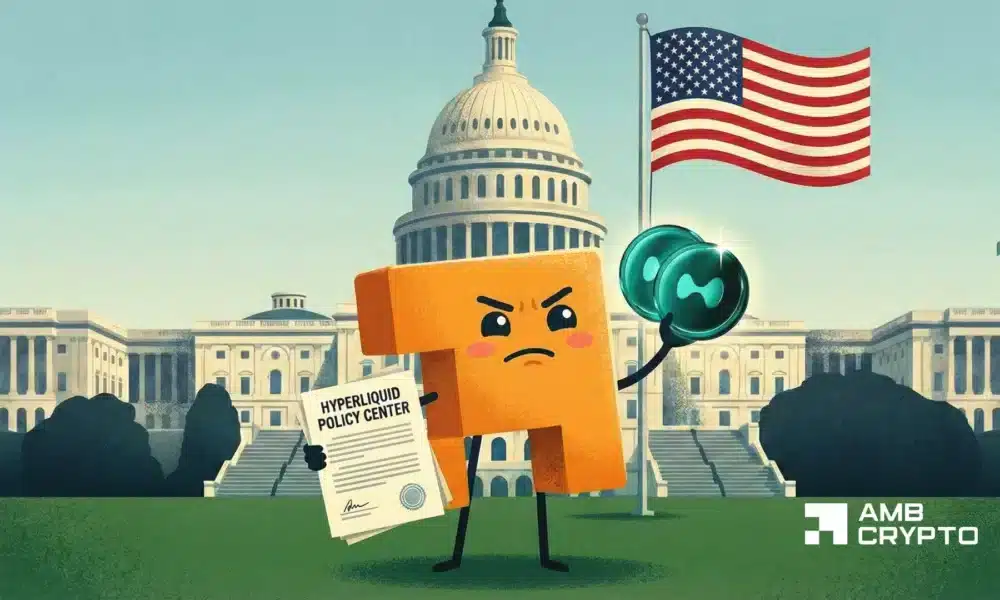

Hyperliquid Launches Advocacy Group to Navigate Regulatory Challenges Ahead of U.S. Elections
As the cryptocurrency landscape continues to evolve, Hyperliquid, a prominent decentralized exchange (DEX) platform known for its perpetual trading options, has taken proactive steps to address regulatory concerns by launching the Hyperliquid Policy Center (HPC). This new advocacy group aims to tackle pressing policy questions impacting perpetual derivatives and decentralized finance (DeFi) markets, particularly as the U.S. heads toward a crucial election season.
Building Bridges Between Law and Innovation
The HPC’s mission is to bridge the gap between legal frameworks and the next-generation financial market infrastructure fostering decentralized finance. This initiative comes with an ambitious plan to allocate 1 million HYPE tokens—worth approximately $29 million—to fund its advocacy efforts. With this significant backing, the lobby is poised to work closely with regulators, ensuring that emerging policies facilitate innovation while also protecting users and stakeholders in the financial ecosystem.
Leading the HPC is Jake Chervinsky, a well-respected lawyer with a strong background in cryptocurrency and DeFi advocacy. Chervinsky’s expertise could be vital in navigating the complex regulatory landscape in the U.S., where regulations can significantly influence the operational capabilities of crypto platforms, potentially setting a course for clearer guidelines that promote safe and secure trading environments.
Addressing Regulatory Risks
Hyperliquid’s entrance into the advocacy arena is a strategic move to mitigate potential regulatory risks. Founder Jeff Yan highlighted the necessity of educating lawmakers about the benefits of decentralized finance and the impact of laws on both users and builders in the space. With growing regulatory scrutiny globally, especially from U.S. authorities, the HPC seeks to foster a dialogue that can lead to balanced regulatory frameworks that understand the transformative potential of the financial technologies that Hyperliquid employs.
With a cumulative revenue exceeding $1 billion and nearly $4 trillion in perpetual trading volumes, Hyperliquid represents a remarkable success story within the crypto industry. However, increasing speculation surrounds the platform, with some analysts suggesting that traders might be exploiting regulatory loopholes for tax evasion or circumvention of sanctions. Such allegations heighten concerns that could attract investigation from the Department of Justice (DoJ) or the U.S. Treasury.
Community Sentiment and Platform Growth
Despite these challenges, Hyperliquid has enjoyed impressive growth since its launch three years ago, often surpassing established competitors like Binance and Coinbase in terms of market metrics related to crypto perpetuals. The platform’s expansion to include non-crypto asset trading has further diversified its operations, allowing these trades to constitute over 30% of its overall trading volume. Community reactions to the launch of HPC are mixed, stemming from a combination of excitement about the potential for regulatory clarity and concern over the risk of a regulatory crackdown.
As the political landscape prepares for the upcoming 2026 midterms, there is mounting speculation that the Democrats may regain control of Congress. If this occurs, policies unfavorable to the cryptocurrency industry could be reinstated, potentially stifling Hyperliquid’s operations. The political uncertainties may not only threaten Hyperliquid’s growth but also exacerbate a skeptical view held by some regarding the platform’s regulatory standing.
Navigating Political Shifts
Ryan Scott, a trader and market analyst, notes that Hyperliquid’s lack of regulatory affiliation may be influencing its decision to establish the HPC. The possibility of another anti-crypto wave could prompt a more stringent regulatory environment, making it crucial for the platform to proactively address these risks. As political climates shift, Hyperliquid’s ability to engage in discussions with policymakers could either mitigate or amplify the challenges posed by evolving regulations.
The HPC’s formation reflects Hyperliquid’s commitment to not just ongoing growth but also adaptive strategies that prioritize regulatory compliance. In a space marked by rapid change and potential backlash, the effectiveness of this approach remains to be seen.
Conclusion: Preparing for the Future
Hyperliquid’s recent establishment of the Hyperliquid Policy Center signals a pivot toward fostering regulatory clarity and ensuring a sustainable path forward in an increasingly scrutinized space. As U.S. elections approach, the platform is clearly preparing for potential shifts in political power that could impact the crypto landscape.
By advocating for DeFi regulatory clarity, Hyperliquid positions itself to navigate the complexities of the evolving financial ecosystem effectively. While the outcome of these efforts is uncertain, the move signifies a proactive approach to shaping policies that support innovation while safeguarding the interests of users and developers alike.
In the ever-changing world of cryptocurrencies, Hyperliquid’s initiatives may provide a roadmap for other platforms grappling with similar regulatory challenges. As we move closer to the pivotal elections, the interaction between financial innovation and regulation will significantly influence the future trajectory of decentralized finance.
This 2000-word optimized article highlights Hyperliquid’s recent actions while adhering to SEO guidelines, targeting relevant keywords and providing informative content suitable for readers interested in crypto regulations and market developments.