



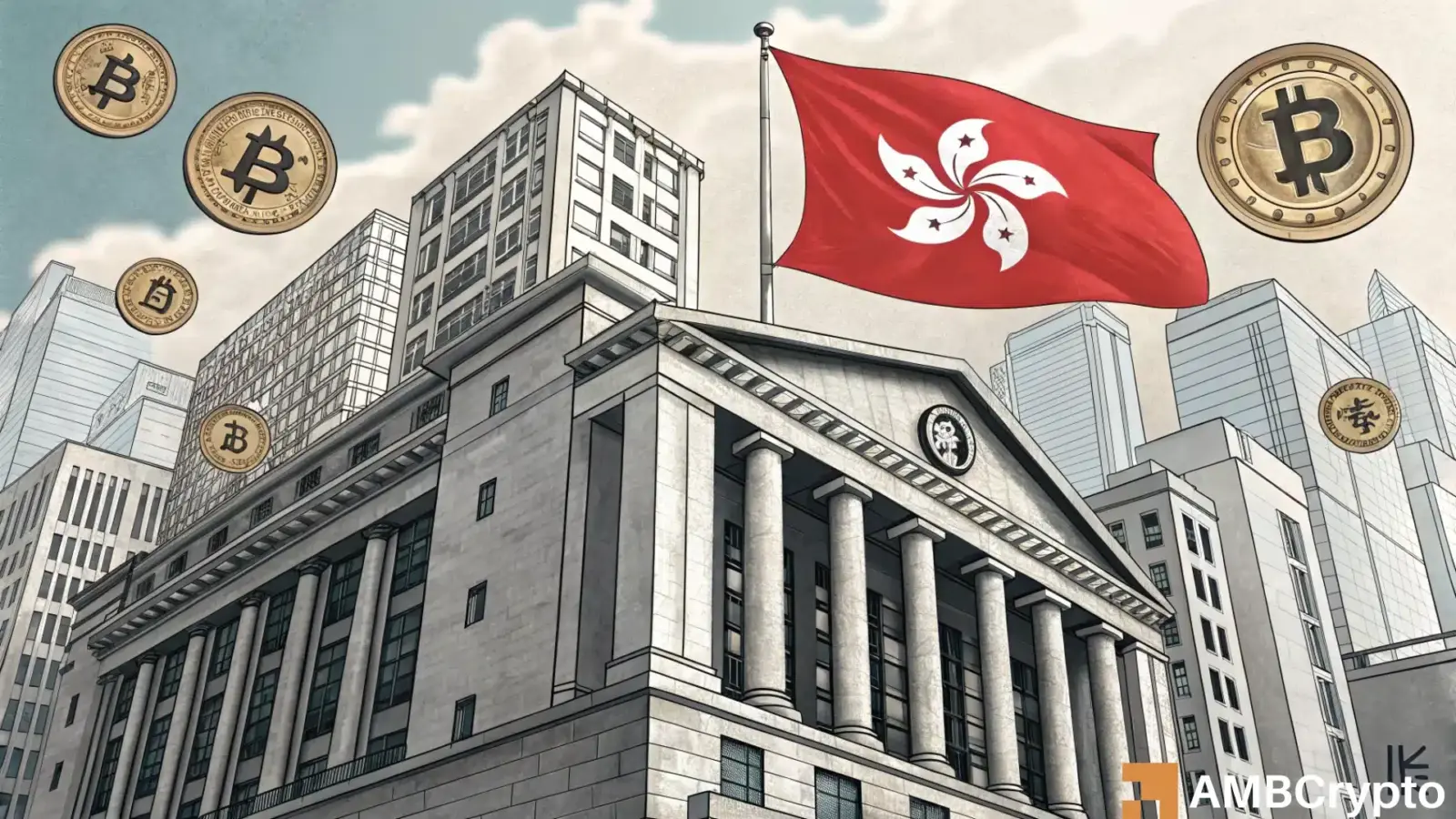
Hong Kong’s New Stablecoin Licenses: A Cautious Step Towards Regulation
Hong Kong has recently made significant strides in the stablecoin sector by granting its first-ever stablecoin issuer licenses. This monumental move comes within a newly established regulatory framework set forth by the Hong Kong Monetary Authority (HKMA). The initial batch of licenses consists of well-known institutional players including Anchorpoint Financial and HSBC’s Hong Kong banking arm. Their selection reflects a cautious approach by the HKMA in fostering a stable environment for cryptocurrencies, particularly aimed at ensuring user protection and risk management. As this new regime unfolds, it signals an important phase in the governance of digital currencies in Hong Kong.
The Importance of Institutional Players
The issuance of stablecoin licenses predominantly favors bank-backed entities. Anchorpoint Financial, backed by reputable organizations like Standard Chartered, Animoca Brands, and HKT, represents the type of institutions the HKMA has prioritized. This approach emphasizes compliance systems, significant capital resources, and a solid record of regulatory adherence. HKMA Chief Executive Eddie Yue highlighted that this strategy aims to create an orderly operating environment while safeguarding users against potential risks. Thus, the focus remains on established institutions that can sustainably manage the compliance and operational complexities of stablecoin issuance.
A New Regulatory Framework
Hong Kong’s stablecoin licensing initiative is part of a broader regulatory framework that became effective in August 2025. The HKMA’s initiative also extends to cover crypto dealers and custodians, consolidating trading and asset storage under one regulatory umbrella. Implementing stringent requirements around reserve backing, redemption mechanisms, governance, and anti-money laundering (AML) controls reflect the HKMA’s commitment to creating a secure environment for both businesses and users. These protocols not only enhance trust but also lay down the groundwork for future developments in the industry.
Delayed Yet Progressive Approvals
Although the anticipation was high for the issuance of initial licenses, a delayed timeline became apparent. The HKMA had initially anticipated that licenses would be approved as early as March; however, the actual approvals did not come until April. This timeline aligns with the comprehensive framework that sets forth strict approval standards regarding compliance and operational integrity. Hoping to control the pace and prevent instability in the market, the HKMA’s measured approach ensures that only the most qualified entities are granted the privilege to operate within this sphere.
Future Market Dynamics
In the immediate future, the landscape of Hong Kong’s stablecoin market is likely to be dominated by institutional players. The stringent compliance thresholds and limited approvals are expected to slow down the participation of crypto-native firms, which typically advocate for more innovative and disruptive business models. While this setup may bolster trust and stability in the nascent market, critics worry that the limitations could stifle early-stage innovation. As the market evolves, one key question emerges: Will the HKMA continue to foster a bank-led model, or will it ultimately expand access to allow broader participation from a range of industry players?
Building Trust Amid Concerns
Ultimately, Hong Kong’s cautious first steps into the stablecoin arena reflect a balancing act between innovation and regulatory oversight. While the establishment of a regulatory framework aims to minimize risks and enhance user protection, it may also deter groundbreaking startups eager to bring innovations to market. By prioritizing bank-backed entities for initial licensing, Hong Kong sets a tone of stability and trust. However, the future dynamics of this market will depend significantly on how regulatory authorities adjust their approaches moving forward, potentially paving the way for a more inclusive ecosystem.
In summary, Hong Kong’s early foray into regulating stablecoins emphasizes a need for established institutions in the sector. The stringent regulatory environment may limit immediate access, but it also serves as a stepping stone toward a more stable and reputable financial landscape. The coming months will prove essential in determining whether this cautious approach will yield a flourishing stablecoin ecosystem in the years to come.