

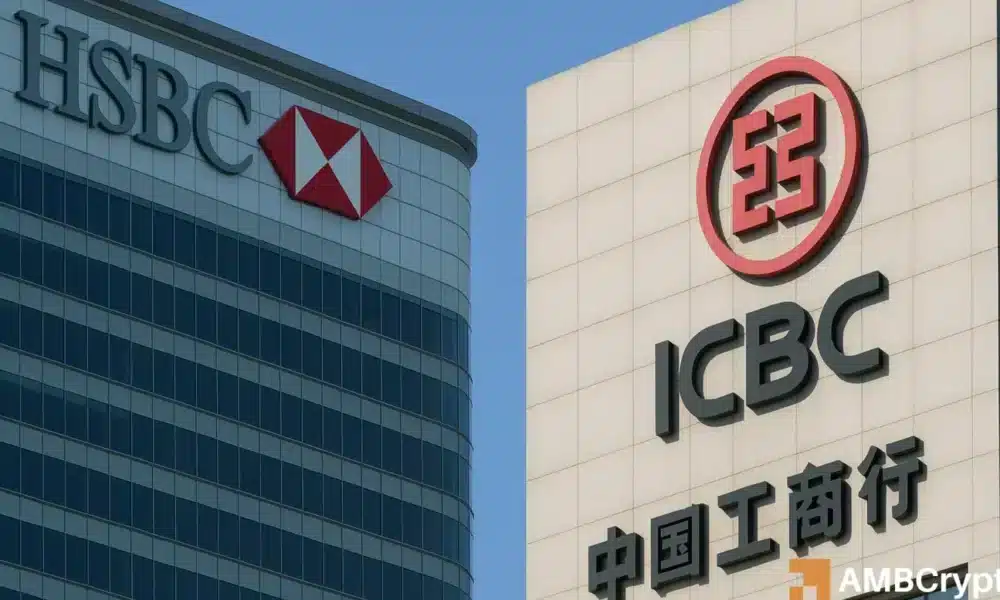

HSBC and ICBC Enter Hong Kong’s Stablecoin Market: Navigating Strict Regulations
The landscape of digital finance is rapidly changing, and Hong Kong aims to carve out a significant role in this evolution. HSBC and the Industrial and Commercial Bank of China (ICBC) are both poised to enter the Hong Kong stablecoin market amidst new regulations introduced by the Hong Kong Monetary Authority (HKMA). While these banking giants are enthusiastic about the prospects, they must navigate a stringent compliance framework that has raised concerns about market stability and access.
Evolving Regulatory Environment
As of August 1, the HKMA has implemented new stablecoin regulations, which have garnered global interest but also unease. Both HSBC and ICBC have confirmed their intentions to acquire the necessary licenses to operate within these new guidelines. Early enthusiasm for the market was met with caution, as 77 financial institutions expressed interest—only to warn that compliance standards were tougher than expected. The initial rollout plans allow for only a limited number of licenses, creating fierce competition among potential issuers.
Market Volatility and Compliance Challenges
The immediate aftermath of the regulatory changes has seen significant market volatility. Following the introduction of the Stablecoin Ordinance, token values for Hong Kong-based issuers plummeted by as much as 20% in a single day. In addition, the Securities and Futures Commission (SFC) has tightened crypto custody rules, explicitly banning smart contracts in cold wallets and issuing warnings against speculative practices. The government’s firm stance on compliance is exemplified by criminalizing the promotion of unlicensed fiat-referenced stablecoins to retail investors.
The Competitive Landscape with the U.S.
While Hong Kong aims to position itself as a leader in the stablecoin market, it faces stiff competition from the U.S., particularly after the passage of the GENIUS Act in July 2025. This legislation established a federal standard for fiat-backed tokens in the U.S., thereby reinforcing its dominance in the stablecoin sector. The unification of regulations across states creates a clear framework that other jurisdictions, including Hong Kong, will find challenging to match.
Geopolitical Implications for Hong Kong
Despite Hong Kong’s ambitious aspirations, structural and geopolitical barriers may hinder its ability to compete effectively on a global scale. The emerging regulatory clarity in both the U.S. and Europe puts pressure on Hong Kong to adapt, but significant economic and political challenges loom. The city’s cautious, Asia-focused approach may need to be re-evaluated to enhance its global influence in the rapidly evolving stablecoin ecosystem.
Future Outlook
In conclusion, as HSBC and ICBC prepare to enter Hong Kong’s stablecoin market, their success will largely depend on how well they can navigate the regulatory landscape. While the initial interest among financial institutions is promising, the stringent compliance requirements present hurdles that cannot be ignored. Moreover, with the U.S. reinforcing its dominance through the GENIUS Act, Hong Kong will have to reassess its strategies if it aims to become a competitive player in the global stablecoin arena. As regulatory frameworks continue to evolve, the balance between innovation and compliance will be crucial for the future of stablecoins in Hong Kong and beyond.