


Ghana Launches Temporary Crypto Trading Environment: A Strategic Step Towards Regulatory Compliance
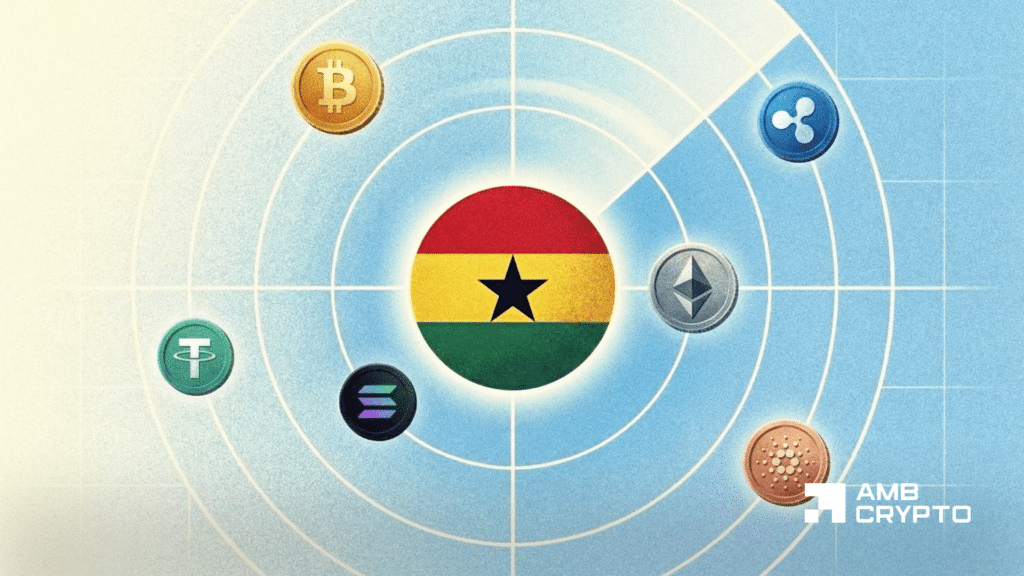
Ghana has embarked on an innovative journey by launching a temporary crypto trading environment involving 11 companies, marking a significant stride in its digital asset framework implementation. Spearheaded by the Ghana Securities and Exchange Commission (SEC), this regulatory sandbox will last for 12 months, with market-ready products expected to graduate after six months. This initiative comes at a pivotal moment as Ghana aims to foster responsible innovation while simultaneously enhancing investor protection, ensuring market integrity, and complying with anti-money laundering (AML) and counter-terrorism financing (CTF) regulations.
Understanding the Regulatory Sandbox
The primary objective of this sandbox period is to support startups and established firms in developing their crypto solutions within a controlled environment. The insights gathered during this experimental phase will greatly inform Ghana’s forthcoming licensing framework and regulatory guidelines for the sector. This strategic move aligns with the nation’s endeavor to create a cohesive regulatory landscape and demonstrates Ghana’s commitment to integrating formal structures for digital asset operations.
The Role of the Virtual Asset Service Providers Act, 2025
Ghana’s latest initiative is intrinsically linked to the implementation of the Virtual Asset Service Providers Act, 2025 (Act 1154). This act aims to define clear operational parameters for the crypto trading sector, ensuring that regulatory compliance is maintained. The involvement of various firms within the sandbox reflects the diverse opportunities and applications within crypto, spanning from trading to tokenization and innovative payment solutions. This multifaceted approach promises a more holistic understanding of the crypto landscape in Ghana and lays a foundation for future market stability.
A Broad Spectrum of Participants
Among the 11 companies participating in the pilot program, notable names include WhiteBits, a global crypto trading platform, and Hyro Exchange. The inclusion of GoldBod, the Ghana Gold Board responsible for gold-backed securities, underscores the initiative’s broad focus on various financial products. Moreover, local and international tokenization firms like Africoin, Vaulta, XChain, and BSystem Ltd are set to contribute invaluable insights. The plethora of participants ensures that industry players cover multiple segments of the crypto ecosystem, allowing the SEC to gather comprehensive feedback on crucial aspects like investor protection and compliance.
Recognizing Ghana’s Position in the Global Crypto Market
Ghana continues to solidify its position as the fifth-largest crypto market in Africa, having experienced an 80% growth last year in crypto activities. This notable expansion has attracted global players, including Blockchain.com, who see the potential in the African market. The continent ranks third globally in terms of crypto adoption, with South Africa leading the way due to its progressive regulatory environment. Ghana, alongside other nations like Nigeria and Kenya, is striving to enhance its legal frameworks to accelerate growth and ensure the responsible enactment of digital asset regulations.
Competitive Landscape and Future Implications
As different African nations race to establish comprehensive regulations, Ghana’s proactive step towards a well-defined framework positions it favorably within the region. A total of 10 African countries have now created clear rules to navigate the rapidly evolving crypto landscape. Ghana’s sandbox initiative not only aims to safeguard against money laundering and terrorism financing but also sets the stage for substantial innovation in the sector. By outlining a regulatory structure that promotes growth while safeguarding investor interests, Ghana can attract further investments into its crypto ecosystem.
Conclusion
In summary, Ghana’s launch of a regulatory sandbox with 11 crypto firms exemplifies a pivotal move towards establishing a robust framework for digital assets. This initiative reflects the broader trend across Africa, where nations are striving to embrace the evolving crypto landscape while prioritizing investor protection and regulatory compliance. As Ghana embarks on this journey, its efforts may serve as a model for other countries seeking to bolster their legal infrastructure around cryptocurrencies and digital assets. With a commitment to innovation and responsibility, Ghana is well-prepared to navigate the future of cryptocurrency.