


GameStop’s Stock Plunge: A Cautionary Tale of Convertible Notes and Bitcoin Aspirations
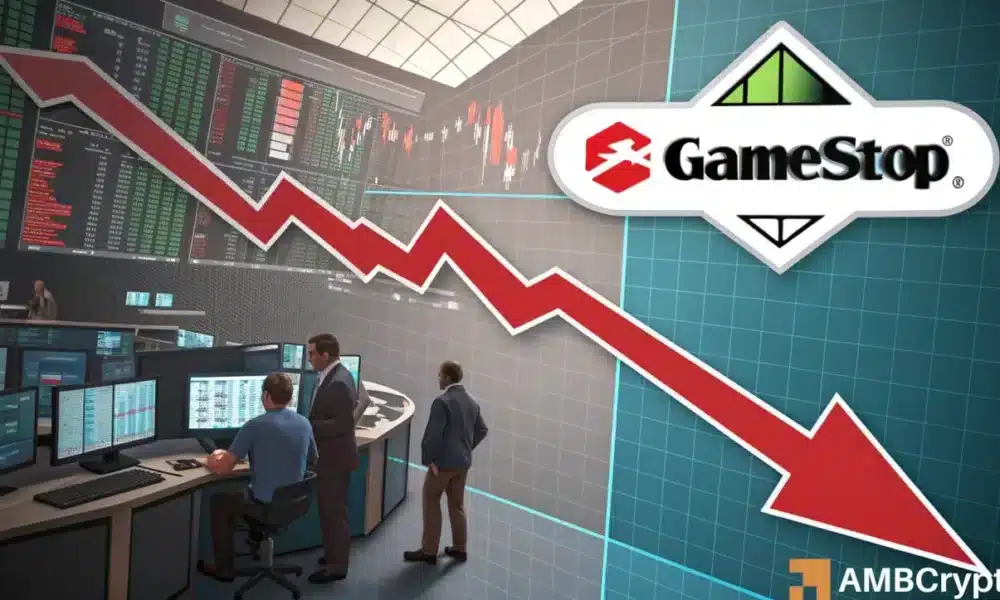
GameStop, widely known for its once-soaring stock price driven by meme culture, is once again making headlines following the announcement of a $1.75 billion convertible note offering. This bold strategy, intended to bolster the company’s financial standing, has instead sparked skepticism among investors, leading to a dramatic decline in stock value. After trading at $28.55, GameStop’s stock plummeted over 20%, reaching $22.14 in after-hours trading. In this article, we examine GameStop’s financial move, investor sentiment, and the broader implications for both the company and the cryptocurrency market.
The Details of GameStop’s Offering
On June 11, GameStop announced its $1.75 billion private convertible note offering, specifically targeting institutional investors under Rule 144A. Interestingly, this offering allows for an additional $250 million to be raised within 13 days, indicating a strong commitment to long-term debt financing. While GameStop has not explicitly confirmed its plans to use the proceeds for Bitcoin investments, the company hinted that future investments would align with its established policies. This has ignited speculation surrounding the possibility of acquiring more Bitcoin, following the company’s earlier investment of $513 million in May, which made it the 13th largest corporate holder of Bitcoin.
Speculations of Bitcoin Acquisitions
The speculation surrounding Bitcoin acquisitions as part of GameStop’s capital deployment strategy has generated both excitement and trepidation among investors. Although the notion of integrating cryptocurrencies into its financial framework may appear innovative, the market’s initial reaction has been less than favorable. Many investors are questioning whether this pivot to crypto will yield the same positive results seen in other companies like MicroStrategy, which has successfully embraced Bitcoin as a cornerstone of its corporate strategy. The lack of clarity regarding the intent behind the convertible notes has shaded investor sentiments with skepticism.
Public Sentiment and Criticism
As GameStop’s stock took a nosedive, the online community responded with a flurry of reactions, showcasing a mix of anger and disbelief. Social media platforms, especially X (formerly Twitter), were rife with criticism, with users noting how rapidly the company’s fortunes had shifted. Investors expressed disillusionment, highlighting the volatility surrounding GameStop’s stock and questioning the efficacy of its Bitcoin investment strategy. One user noted the stark contrast between previous buzz surrounding the stock and the grim realities investors are now facing, encapsulating the growing frustration within the online trading community.
Bitcoin’s Role in GameStop’s Future
Despite the growing interest in Bitcoin, the cryptocurrency does not appear to have offered GameStop the financial salvation many had hoped for. Following its initial Bitcoin purchase announcement, GME shares dropped significantly, erasing all gains made since the announcement of its crypto strategy in March. This suggests that merely adopting a Bitcoin investment model does not guarantee market confidence or stock appreciation. It is evident that the sentiment surrounding GameStop remains cautious, as investors grappling with its financial decisions question whether a pivot to cryptocurrencies can truly stabilize the company’s volatile stock price.
Market Confidence and Future Outlook
In conclusion, GameStop is a case study in the unpredictable interplay between corporate strategy and investor confidence. The company’s recent experiences highlight that market sentiment is influenced by factors beyond mere adoption of trending technologies, such as cryptocurrency. The volatile nature of stocks, particularly in the gaming sector combined with cryptocurrency, underscores the need for a more nuanced approach to investor communication and strategic planning. While GameStop’s shift towards Bitcoin might offer future opportunities, the immediate reaction signals the importance of market confidence in determining the success of any financial pivot.
By taking into consideration the myriad factors influencing investor perception and stock performance, GameStop’s journey serves as a cautionary tale for companies navigating the often-turbulent waters of financial innovation and market trust.