




Optimism Surrounds Crypto Market Structure Bill: Key Insights and Implications
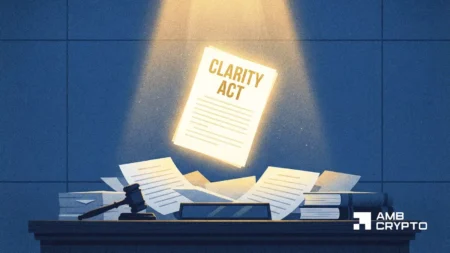
The landscape of cryptocurrency regulation in the United States is poised for significant changes with the recent discussions surrounding the crypto market structure bill. Galaxy Research has expressed optimism regarding the bill’s advancement, despite some contentious issues that could impede its progress. Alex Thorn, the Head of Research at Galaxy Research, indicated that there remains a “decent 60%” chance of the bill passing. This article will explore the current state of the crypto market structure bill, the differing perspectives of Democrats and Republicans, and the potential implications of the upcoming Senate Banking Committee markup.
Legislative Landscape and Potential Outcomes
The crypto market structure bill has garnered attention following a bipartisan Senate meeting, where lawmakers engaged in discussions about the proposed regulations. Thorn’s 60% confidence in the bill’s likelihood of passing hinges on the upcoming markup by the Senate Banking Committee scheduled for January 15, 2023. This markup is particularly crucial, as it will determine whether bipartisan support can be formed amidst ongoing negotiations. Should Republicans push for the markup without sufficient cooperation from Democrats, the potential for a stalemate looms large.
Key Concerns of Democrats
A significant factor influencing the potential passage of the crypto market structure bill is the stance of the Democrats on Decentralized Finance (DeFi) regulations. Thorn highlighted three primary requests from the Democrats that reflect their commitment to ensuring robust regulation in the crypto space. These demands include compliance with U.S. sanctions for front-end DeFi platforms, granting "special measures" authority to the Treasury for DeFi exchanges, and a regulatory framework for “non-decentralized” DeFi. The delay in previous markup deadlines can be attributed to these outstanding concerns, and whether they prove to be a deal-breaker in the upcoming meetings remains to be seen.
Bipartisan Challenges and Compromise Approaches
Despite the challenges presented by the Democrats’ requests, there have been positive signs of potential compromise. Senator Catherine Cortez Masto, a moderate Democrat from Nevada, spoke of ongoing productive conversations between both sides. She expressed optimism regarding the upcoming markup discussions, suggesting that lawmakers are willing to work through the contentious issues that remain. This cooperative atmosphere could pave the way for a more unified approach to the bill, ultimately increasing its chances of passing.
Industry Responses and the Stakeholder Perspective
Amidst discussions in Washington, the crypto industry is actively weighing in on the regulatory landscape. Supporters, like venture capitalist Nic Carter, have deemed some of the Democrats’ demands as reasonable, which could lead to a more balanced approach to regulation. However, unresolved issues surrounding stablecoin yields, specific ethics targeting former President Donald Trump’s family, and protections for software developers indicate that substantial work is still needed. The crypto industry argues that stablecoin yield regulations represent a “national security” matter, emphasizing the need to safeguard U.S. dominance against global competitors like China.
The Evolving Political Climate and Its Impact
As 2026 elections approach, the potential for a shifting political climate adds another layer of complexity to the legislative process. Analysts from investment bank TD Cowen suggest that Democrats may be inclined to delay the bill, believing they can regain control after the elections. With the specter of impeachment looming over Trump should Republicans lose control of the House, political infighting may take precedence over legislative progress. Jaret Seiberg, managing director at TD Cowen, posits that unresolved conflicts of interest surrounding Trump could lead to significant delays, potentially pushing the bill’s passage timeline back by three years.
Future Prospects and Market Predictions
Despite the headwinds facing the crypto market structure bill, forecasts suggest a possibility of passage in the near future. Predictions from platforms like Kalshi indicated an overall 79% chance of passage before 2027, dropping to 49% before May. These predictions highlight a critical timeframe that stakeholders should keep an eye on as the political landscape evolves. The upcoming Senate Banking Committee markup will be pivotal in determining whether the bill can progress, fostering a regulatory environment that could significantly impact the cryptocurrency market and its participants.
Conclusion
In summary, the discussions surrounding the crypto market structure bill illustrate the challenges and opportunities faced by lawmakers as they navigate the complexities of cryptocurrency regulation. The optimism expressed by Galaxy Research indicates a possibility of progress, although contentious issues remain to be resolved. The upcoming markup by the Senate Banking Committee will be a crucial turning point, as both parties strive to find common ground. As the political landscape evolves, stakeholders in the crypto industry must remain attentive to developments, as the outcomes will shape the future of cryptocurrency in the United States.