



The Crypto Market’s Resilience Amid Geopolitical Tensions
In early March 2026, the crypto market displayed an unexpected behavior amidst rising geopolitical tensions, notably the conflict between Iran and the United States. Traditionally, such instability drives investors toward safe-haven assets like gold. However, data from the first week of March indicated a slight recovery in global crypto markets, particularly in Bitcoin (BTC), Aave (AAVE), and Uniswap (UNI). This subtler reaction highlights the evolving dynamics in the crypto space, indicating a growing investor interest despite ongoing fears.
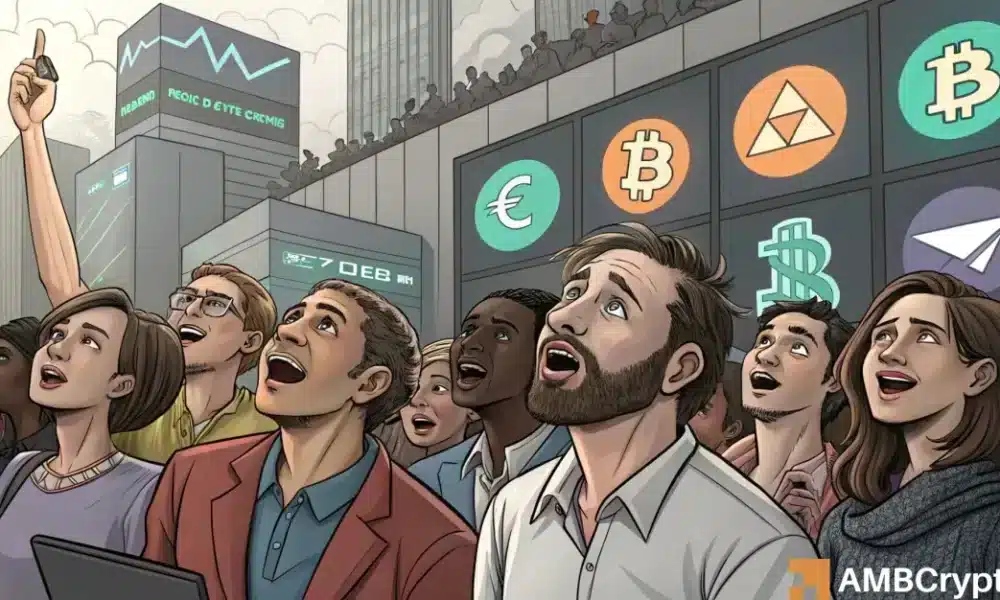
Social media and online discussions around key cryptocurrencies like Bitcoin surged significantly during this period of heightened conflict. Santiment analytics revealed that Bitcoin was the focal point of social media chatter, with many users celebrating its 4% to 7% daily gains and consistent inflows into Bitcoin ETFs. Currently hovering around the $70,000 mark, Bitcoin’s price reflects a mix of enthusiasm and caution; while social engagement has risen, the Fear and Greed Index remained low, signaling a predominant sense of fear among investors.
Understanding the Mixed Sentiment
The contrasting sentiments within the crypto community are telling. On social platforms like Twitter (X) and Telegram, while Bitcoin enthusiasts are discussing its potential upward trajectory, there is also a concerning rise in discussions around scams. Reports of “Flash BTC” scams and other fraudulent schemes have emerged, leading users to exercise caution. This duality—excitement over market rallies countered by fears of being scammed—illustrates the maze of investor psychology in today’s crypto landscape.
Aave, which has recently surpassed the $1 trillion mark in cumulative lending, is facing its own challenges. Despite this remarkable milestone, the sentiment within the Aave community is somewhat muted, largely due to governance issues linked to the departure of the Aave Chan Initiative (ACI) and BGD Labs. These challenges have dampened enthusiasm, even as the platform continues to evolve. Furthermore, Uniswap’s recent legal victory, affirming that it cannot be held liable for third-party scam tokens, provided a silver lining for its users. Yet, concerns about wallet connection issues and other vulnerabilities linger, adding a layer of complexity to its market standing.
Social Sentiment Versus Market Activity
The relationship between social sentiment and market performance is increasingly complex. Recent weeks demonstrated that while active discussions around Bitcoin have increased, overall sentiment remained volatile. Notably, a significant drop in sentiment in early February coincided with heightened market stress, leading to a pool of negative discussions. Nonetheless, this negative wave proved to be transient, as sentiment rebounded swiftly, suggesting that investor pessimism may be short-lived, albeit reflective of deeper concerns.
For both Aave and Uniswap, sentiment trends have fluctuated sharply from August 2025 through mid-February 2026. Aave’s sentiment generally hovered near neutrality, punctuated by brief moments of optimism, whereas Uniswap exhibited a more pronounced roller-coaster effect with stronger positive swings as well as sharper declines. These swings indicate how nimble DeFi narratives can be in response to market updates and broader economic events, warranting close attention from investors.
The Fear and Greed Indicator
One of the most telling barometers of investor sentiment is the Fear and Greed Index, which registered a reading of 22 at the time of this observation—a drop from a low of 10 just a day prior. This alarming statistic emphasizes the intensity of fear gripping the market, reflected in the rising Google searches for phrases like "Bitcoin going to zero." Such extreme fear often presents potential long-term investment opportunities, yet the current environment suggests that any recovery may be slow.
Investors are likely to remain cautious, and while the increased social media activity surrounding Bitcoin could attract new participants, it also risks drawing in fraudulent projects that prey on fearful investors. Consequently, while the crypto sector seems resilient amid geopolitical upheavals, the caution among investors hints at underlying uncertainties that may take time to navigate.
Looking Ahead: What’s Next for Crypto?
As the geopolitical landscape continues to evolve, the future trajectory of cryptocurrencies remains uncertain. The apparent resilience demonstrated by the crypto market may suggest a growing maturity and complexity in investor behavior. However, the modern crypto investor must remain vigilant, understanding that while social interest can drive market action, fear and skepticism persist, convoluted by the presence of potential scams.
Adapting to the rapidly changing environment will be crucial. Tools such as the Fear and Greed Index, as well as sentiment analysis platforms like Santiment, will play an essential role in guiding investor decisions. A cautious approach may be warranted, particularly as discussions around key cryptocurrencies continue to bloom alongside fears of volatility and fraud.
Final Considerations
In summary, while the spike in social media discussions around Bitcoin and other cryptocurrencies signals rising interest, it emerges amidst a backdrop of extreme market fear. This paradox is indicative of a unique phase in cryptocurrency investment dynamics, where heightened activity does not necessarily align with positive sentiment. The current climate thus challenges investors to balance enthusiasm for crypto innovations with an awareness of the prevailing fears and risks in the marketplace.
As geopolitical uncertainties loom large, both seasoned and new investors must navigate this formidable landscape with a keen eye towards both opportunities and potential pitfalls. The next chapter in crypto will depend on not only market recovery but also the integrity and security of the platforms that drive it.