




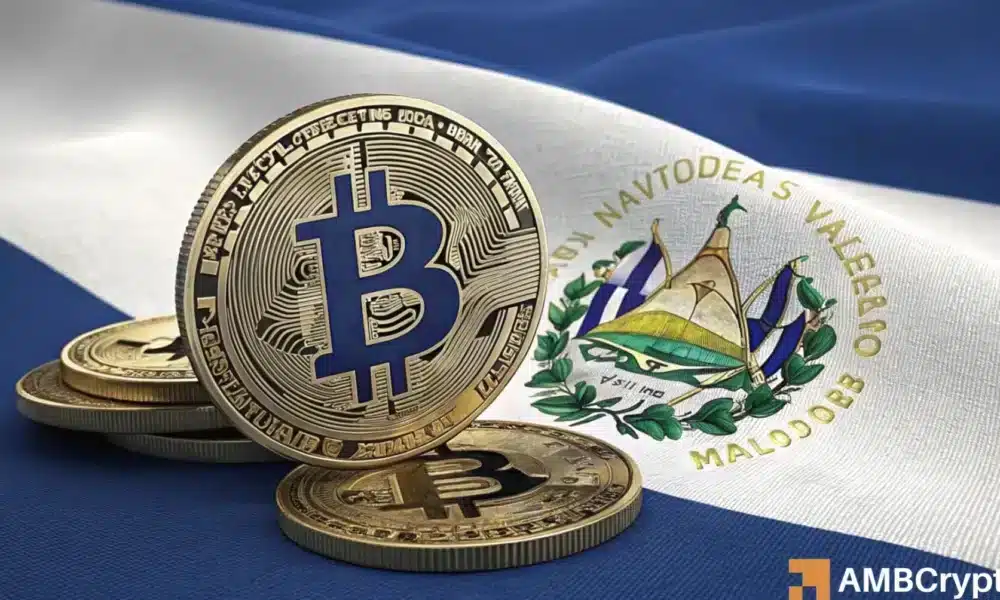
El Salvador’s Bitcoin Strategy: A Case Study on Sovereign Adoption
As Bitcoin reaches unprecedented heights, the financial landscape is witnessing a marked transformation, particularly for nations like El Salvador that have embraced cryptocurrency as a core part of their financial strategy. With around 6,181 BTC in its reserves—translating to approximately $636 million at current prices—El Salvador’s investment serves as a compelling case study for governments considering the integration of Bitcoin into their financial frameworks.
The Profitability of Early Adoption
El Salvador’s President Nayib Bukele recently revealed that the nation’s Bitcoin reserves have appreciated by over $357 million, bringing the total value to approximately $644 million. The country initially invested $287 million, acquiring Bitcoin at around $46,433 per coin between late 2023 and early 2024. This early and bold move has proven to be highly lucrative, yielding a remarkable 124.39% return on investment within just two years. This profit stands in stark contrast to traditional assets, proving that long-term conviction in cryptocurrency can result in significant financial gains.
A Shift in Institutional Attitudes
While El Salvador is not the only entity capitalizing on Bitcoin’s volatility—companies like MicroStrategy have also recorded substantial portfolio growth—the stakes involved for a nation-state are considerably higher. Despite skepticism from international financial institutions such as the IMF, El Salvador has remained committed to its Bitcoin strategy. This dedication underscores a significant shift in institutional attitudes toward cryptocurrencies, suggesting that Bitcoin’s volatility can serve as a tool for national economic strategy rather than a drawback.
Rethinking Risk in Financial Reserves
Historically, Bitcoin’s volatility has been viewed as a major deterrent for governments looking to include it in their financial reserves—largely due to risks associated with rapid price fluctuations. However, El Salvador has flipped this narrative. With the nation enjoying exceptional returns on its Bitcoin investments, it becomes evident that volatility may actually provide a unique strategic advantage. For instance, while Bitcoin has registered a 124% return, traditional safe-haven assets like gold have delivered only around 59% in the same timeframe.
The Strategic Edge of Bitcoin
As more institutions within the financial sector begin to recognize Bitcoin’s volatility as an asset rather than a liability, a paradigm shift is underway. Smart investors are starting to leverage this perceived risk as a strategic edge, moving past short-term profit-taking to focus on long-term growth as conviction builds. With more entities willing to embrace Bitcoin, the likelihood of achieving a new all-time high in its value increases, making it a lucrative option for both national and corporate investment strategies.
Lessons for Other Nations
El Salvador’s bold Bitcoin strategy serves not just as a financial maneuver but as a lesson for other nations pondering the merits of cryptocurrency. The country’s trajectory highlights that adopting such innovative approaches to national economics could redefine how countries interact with digital assets. As skepticism continues to recede, emerging economies may see Bitcoin not just as an investment, but as a transformative tool for economic empowerment, financial inclusion, and innovation.
Conclusion: The Future of Sovereign Bitcoin Adoption
In conclusion, El Salvador’s journey into Bitcoin investment represents a larger narrative about the evolving role of cryptocurrencies in global finance. The country’s profitable foray showcases the potential for long-term gains, challenging traditional views on volatility and risk. As more governments study El Salvador’s successes and failures, the landscape of sovereign cryptocurrency adoption may soon witness broader acceptance and strategic integration, further solidifying Bitcoin’s position in the financial world. By turning conviction into capital, El Salvador is paving the way for a future where cryptocurrencies become a vital component of state finances.