




Dogecoin Faces Selling Pressure: What It Means for Investors
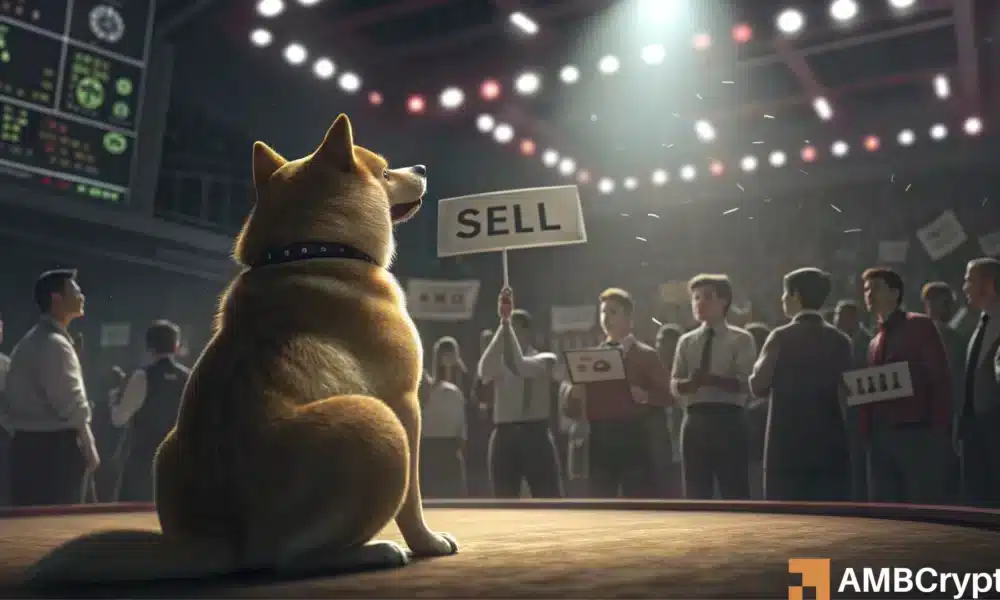
As Dogecoin (DOGE) experiences increased selling pressure, especially from short to mid-term holders, the future of the cryptocurrency hangs in the balance. Recent on-chain data reveals a worrying trend as 400 million DOGE has recently flowed into Binance, indicating a potential mass exit from investors still reeling from a significant drop in the asset’s value since its peak in May. This article explores the implications of current market trends for DOGE and how they may affect investor sentiments moving forward.
Current Market Dynamics for Dogecoin
Over the past month, Dogecoin has retraced to its support level of approximately $0.17, marking a staggering 31% decline from its highs earlier this year. The concerning inflow of DOGE into Binance raises an essential question: Are investors ready to book losses or will fear of missing out (FOMO) compel them to hold on? The answer to this question may be pivotal in determining whether DOGE can maintain its current level or slip further below the $0.17 mark.
The Sell Wall: Analyzing Holder Sentiment
Recent analytics indicate that about 30% of DOGE addresses are currently operating at a loss, with acquisition prices surpassing the current market spot of around $0.18. The situation has worsened following DOGE’s decline below the crucial support level of $0.20, leading to significant capitulation among HODLers. This rapid downturn has resulted in approximately $800 million in realized losses over just three days, lending credence to the belief that a wave of sell pressure is brewing. The 400 million DOGE influx to Binance suggests that traders are preparing to sell into any future price strength, heightening the likelihood of further losses.
The Impact of Short-Term Holder Behavior
While long-term HODLers may be steadfast, it’s the short to mid-term holders showing signs of capitulation that pose the most risk to DOGE’s stability. The typical strategy of “buy low, sell the pump” seems to have recalibrated the investor mindset, once again leading DOGE into a speculative cycle. This behavior is causing a significant portion of addresses to be underwater, intensifying selling pressure as holders panic.
Short-Term Distribution and Profit Margins
When Dogecoin attempted to breach the $0.25 resistance level, key indicators showed that short-term holders were becoming increasingly pessimistic. The Short-Term Holder Net Unrealized Profit/Loss (NUPL) has recently flipped negative, signaling a capitulation phase among these investors. As a result, the downward pressure on DOGE has intensified, compelling it to fall below the significant $0.20 support level. This heightened selling activity compresses profit margins for holders, prompting realizations of trading losses.
Long-Term Trends: HODL Waves and Investment Outlook
The HODL Waves metric reveals even more concerning trends. The share of Dogecoin supply held by the 3–6 month cohort surged from 10% in March to 15.53% at the peak of the recent rally. However, this group has now begun to trim its holdings, either taking profits or exiting near breakeven. Their share has since dropped to 12.4%. This trend points to increased distribution pressure among mid-term investors who are deciding to realize their gains or cut losses before market conditions worsen.
Conclusion: Is DOGE’s Support Level Sustainable?
With current market dynamics indicating a potential capitulation of short and mid-term holders, the future of Dogecoin remains uncertain. Whether DOGE can hold the $0.17 support level or slip further depends largely on investor sentiment in the coming days. Unless Dogecoin can break free from its current speculative cycle and scale past the $0.25 resistance, its price may continue to face downward pressure. As both short-term traders and long-term investors look at their options, the strategies they employ will affect the direction of DOGE, making it crucial for all stakeholders to stay informed about market movements and investor behavior.