


Navigating DeFi Regulation: The Debate Over ‘Innovation Exemption’ in the Crypto Landscape
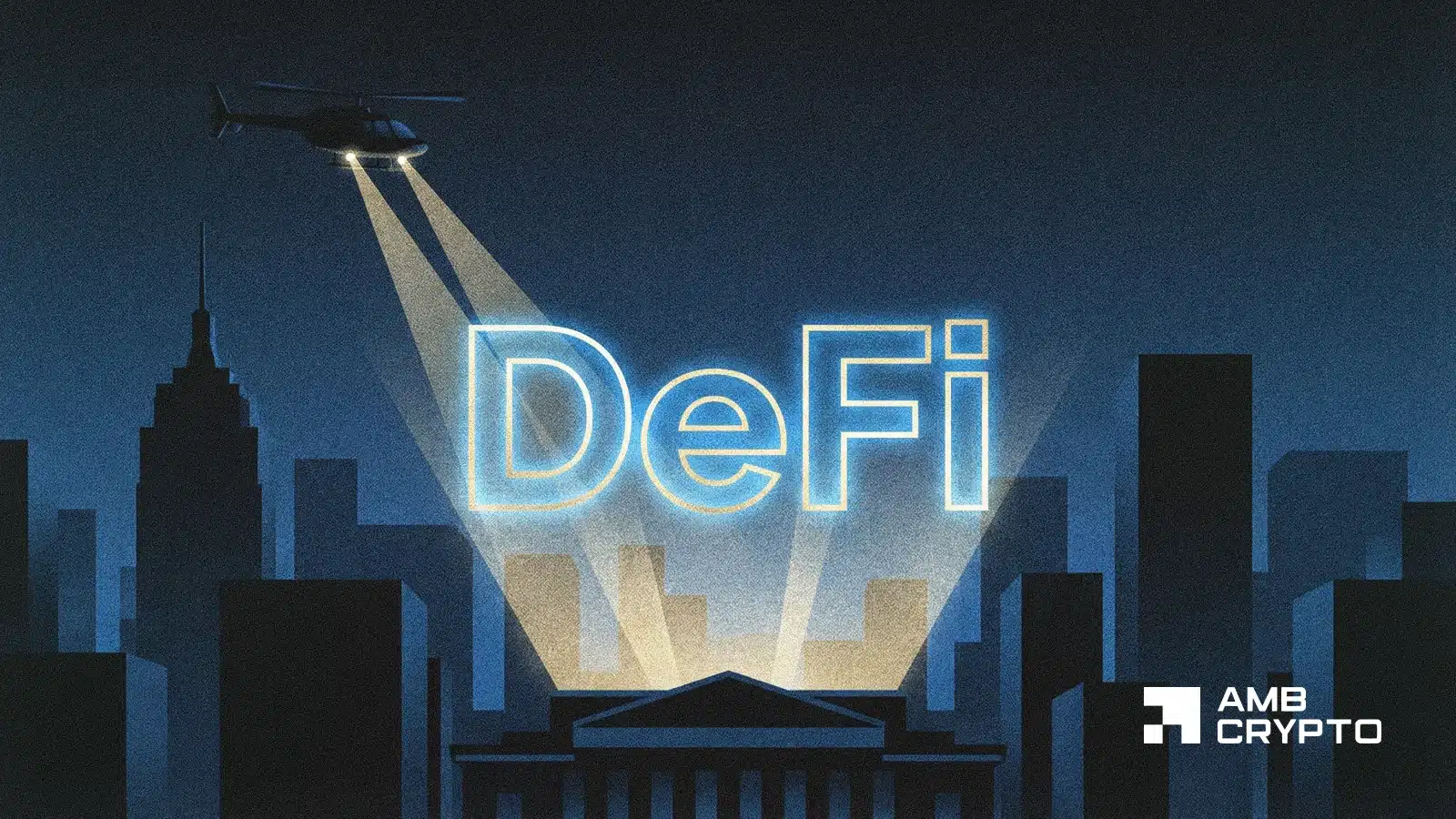
The discourse surrounding decentralized finance (DeFi) regulation has intensified, particularly as the crypto sector navigates a potential ‘innovation exemption’ for tokenized assets. Tensions between the DeFi community and Wall Street have come to the forefront, especially following a letter from the DeFi Education Fund (DEF) to the Securities and Exchange Commission (SEC) on April 1st. As both sides articulate their positions, the future of regulation in this rapidly evolving terrain remains uncertain.
Defining the DeFi Landscape: A Call for Clarity
The DEF advocates for a clear distinction between decentralized protocols and traditional centralized exchanges. A notable assertion from DEF’s legal officer, Ayan Dow, emphasizes that tools facilitating liquidity and operating autonomously should not be misclassified as exchange functions. According to DEF, decentralized technologies and their developers must be viewed through the lens of their functionality rather than regulatory classifications typically reserved for intermediaries. Any misclassification could lead to heavy regulatory burdens that stifle innovation within the DeFi space. By advocating for the exclusion of non-custodial applications, automated market makers (AMMs), and smart contracts from the regulatory framework, DEF is striving to ensure that DeFi can flourish uninhibited.
The Wall Street Perspective: Investor Protections at Stake
In stark contrast, Wall Street entities, particularly the Securities Industry and Financial Markets Association (SIFMA), have raised concerns regarding the potential risks posed by DeFi platforms. SIFMA argues that the SEC should oversee AMMs and DeFi systems, emphasizing that regulation should focus on the functionalities of these platforms rather than their decentralized nature. The assertion is made that maintaining technology neutrality is essential for ensuring investor protections in the evolving digital asset landscape. This approach indicates a systematic desire from traditional financial institutions to extend compliance measures to all platforms involved with tokenized securities, regardless of whether they follow centralized or decentralized models.
Corporate Interests Versus DeFi Innovation
Noteworthy in this discussion is how the positions of Wall Street firms, particularly Citadel Securities, reflect both genuine concern for investor protection and self-interested motivations tied to their financial models. Citadel’s calls for stringent regulation on DeFi platforms, particularly those handling tokenized securities, underscores a perceived threat to its revenue streams—primarily derived from acting as a centralized intermediary. While Citadel argues for regulatory clarity, the DEF counters that their opposition is heavily influenced by the disruptive potential of DeFi technologies that eliminate the need for traditional intermediaries. This tug-of-war between innovation in DeFi and established financial practices illustrates the complexities of modern regulatory frameworks.
The Road Ahead for SEC Regulation
As the SEC prepares to navigate the competing desires of both the DeFi advocacy community and traditional finance, the upcoming framework for tokenized securities will play a critical role. The challenge will be to craft regulations that protect investors while fostering innovation within the DeFi space. The SEC’s decisions will likely hinge on balancing the necessity for regulatory oversight—especially given past incidents of scams and failures in the sector—with the need to maintain an ecosystem conducive to innovation and growth. The outcome of this regulatory journey will significantly impact how decentralized technologies evolve within the existing financial structure.
A Unified Call for Innovation and Safety
In light of the ongoing disagreements, both sides share common ground regarding the importance of innovation in the financial landscape. While DEF emphasizes the need for non-custodial platforms to operate without excessive regulatory burdens, SIFMA’s insistence on safeguarding investor protections highlights a universal goal of securing user trust in the financial system. The conversation must shift towards creating collaborative solutions that respect the unique attributes of DeFi while ensuring that necessary safety nets are in place for all market participants.
Conclusion: The Future of DeFi Regulation
The dialogue surrounding DeFi regulation is far from settled, but it poses a critical juncture for the evolution of the cryptocurrency industry. As the DeFi Education Fund challenges Wall Street’s regulatory stance, the SEC must carefully weigh these competing interests. Finding a balanced approach that encourages innovation while ensuring investor safety may be the key to harmonizing the decentralized ethos of platforms with regulatory expectations. In this rapidly changing landscape, the decisions made today will shape the future trajectory of the DeFi ecosystem—potentially ushering in a new era of finance that embraces both decentralization and responsibility.