




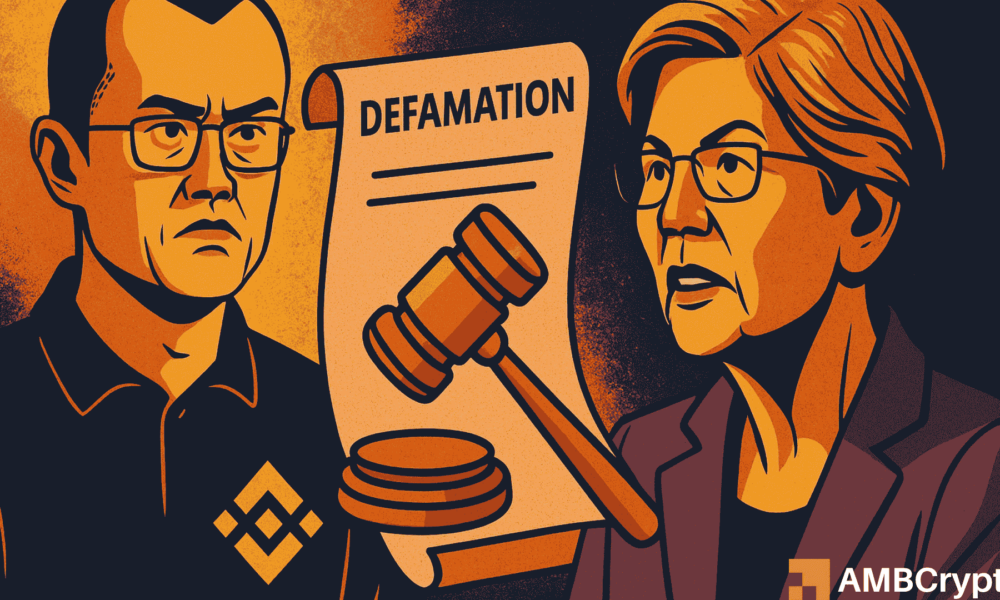
CZ Zhao Threatens Defamation Suit Against Elizabeth Warren: A Deep Dive
The escalating tensions between cryptocurrency leader Changpeng "CZ" Zhao and Senator Elizabeth Warren have reached a boiling point. Zhao, the founder of Binance, is contemplating legal action against Warren for alleged defamation concerning her statements about his criminal case. This dispute represents a significant intersection of politics, law, and the digital currency landscape, highlighting the complexities of regulatory oversight in a burgeoning industry.
The Controversial Statements
At the crux of this legal drama is a social media post by Senator Warren on October 23. In her post, she claimed that CZ had pleaded guilty to a criminal money laundering charge and had been sentenced to prison. However, this characterization is misleading. Reports clarify that Zhao’s guilty plea was actually related to violations of the Bank Secrecy Act, specifically his failure to implement proper anti-money laundering controls, rather than being directly tied to money laundering itself. The context is essential; Zhao’s case involved a $4.3 billion settlement with the Justice Department, wherein he served a four-month prison sentence and paid a hefty fine of $50 million. This misunderstanding has fueled Zhao’s ire and prompted him to seek legal recourse.
Legal Demands and Implications
Zhao’s attorney, Teresa Goody Guillen, has taken a firm stance, demanding that Warren retract her statements. Upon failure to do so, Zhao’s legal team is preparing to file a defamation lawsuit imminently. Guillen argues that Warren’s tweets constitute "false and misleading information," which deserves accountability. The legal intricacies surrounding this case raise poignant questions about the extent of immunity senators possess for statements made on social media platforms compared to those made during official proceedings. Guillen contends that the Speech or Debate Clause should not protect defamatory statements, emphasizing that Zhao will not tolerate alleged misuse of a senator’s office to disseminate harmful untruths.
A Senator’s Crypto Crusade
Warren has emerged as a vocal critic of the cryptocurrency industry, championing regulatory oversight amidst concerns regarding fraud and investor protection. Her recent actions, including a resolution introduced alongside Senator Adam Schiff condemning President Trump’s pardon of Zhao, illustrate her unyielding stance. The resolution brands the pardon as a potential act of “corruption” that undermines regulatory integrity. The backdrop of Zhao’s legal troubles serves to embolden Warren’s position, as she continues to advocate for stricter regulations in the rapidly evolving crypto sphere.
The Broader Legal Context
This impending lawsuit raises questions not only about the details of Zhao’s case but also about the broader implications for political figures communicating online. The rise of social media has changed the landscape of public discourse, creating new challenges regarding accountability and clarity. Legislators, like Warren, must navigate the complexities of free speech vs. potential defamation. Zhao’s legal pursuit could set a precedent for how public officials are held accountable for their statements made on digital platforms, as Goody Guillen articulates that responsibility shouldn’t vanish just because a statement was made within the scope of political dialogue.
CZ’s Background and Impact
Zhao’s situation is emblematic of the ongoing struggle between regulatory authorities and the cryptocurrency ecosystem. His role as Binance’s largest shareholder and the repercussions of his legal challenges are pivotal in understanding the current regulatory milieu. With CZ returning to the spotlight following his pardon from Trump, the stakes have been raised. His response to Warren’s allegations not only reflects his personal fight but symbolizes the broader battle that crypto advocates face against stringent regulatory pressures. This confrontation encapsulates how high-profile figures in the crypto sector must navigate a landscape fraught with regulatory scrutiny and public perception.
Conclusion
The potential legal clash between Changpeng Zhao and Elizabeth Warren underscores the fraught relationship between politics and the cryptocurrency industry. As each party prepares for the ensuing battle—one bearing the weight of public office and regulatory responsibility and the other wielding the influence of a prominent crypto mogul—the implications stretch far beyond individual reputations. This case highlights the vital need for clarity and accountability in the fast-paced world of digital assets while emphasizing the complexities surrounding freedom of speech for public officials in the age of social media. As digital currencies continue to reshape the global economic landscape, the outcome of this dispute could serve as a critical touchstone for future interactions between regulators and the crypto community.