


US Lawmakers Resume Discussions on Crypto Market Structure
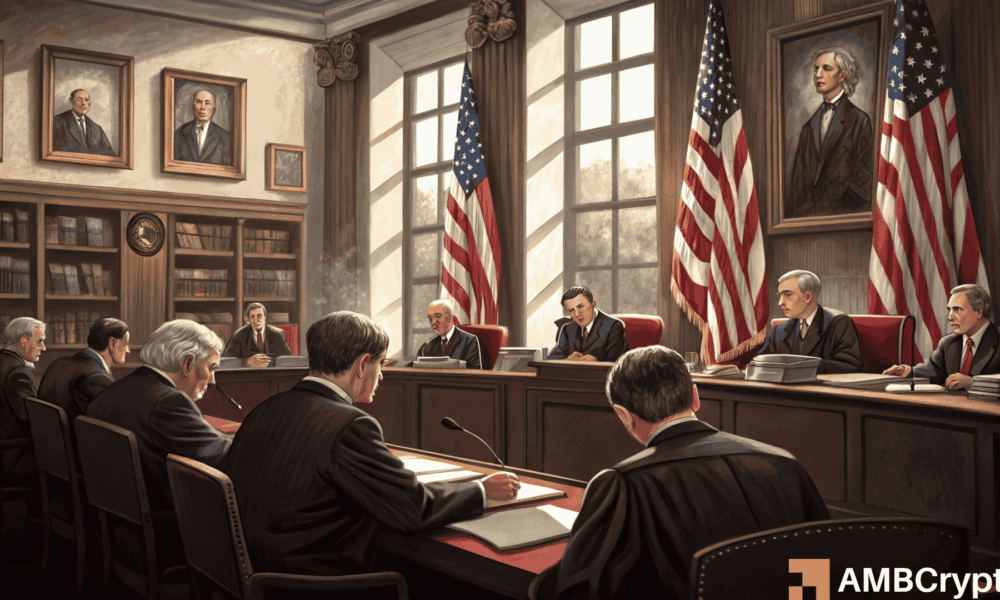
As winter storms disrupted federal schedules, US lawmakers are set to reconvene discussions about the crypto market structure this week. The Senate Agriculture Committee has announced a markup hearing on January 29 at 10:30 a.m. ET to review the Digital Commodities Intermediary Act. This bill is crucial as it aims to provide a framework for the regulation of digital commodities, with the committee overseeing the Commodity Futures Trading Commission (CFTC) and the commodities markets, placing it at the forefront of crypto regulation debates.
Understanding the Markup Process
The upcoming markup has garnered attention primarily due to its potential implications for crypto regulation. A markup is a legislative process where committee members review, amend, and vote to advance a bill. Though the markup was pushed back due to inclement weather, its schedule reinforces the urgency surrounding crypto regulation following years of disagreements over jurisdiction and enforcement. A successful markup could facilitate further discussions in the Senate, propelling the proposed legislation closer to enactment.
Inter-Agency Coordination
In conjunction with the markup, the US Securities and Exchange Commission (SEC) will also hold a rescheduled “harmonization” event with the CFTC later that same day at 2:00 p.m. ET. Though both events are not formally linked, their synchronization underscores a more extensive regulatory push concerning crypto market structure. The SEC has yet to disclose specific agenda items for the harmonization session, but it aims to foster cooperation between regulatory bodies as they tackle the complex landscape of digital assets.
Proposed Amendments and Their Implications
Ahead of the markup, senators have proposed a series of amendments that could significantly alter the bill’s trajectory. Notably, a set of amendments from Senator Michael Bennet introduces a "Digital Asset Ethics Act," which would impose restrictions on senior federal officials from owning or endorsing digital assets. This development emphasizes growing concerns regarding conflicts of interest at high levels of government, reflecting a commitment to ethical standards in crypto involvement.
Furthermore, concerns around consumer protection and systemic risk have prompted additional proposals, such as Senator Dick Durbin’s measures that would bar federal agencies from providing emergency financial assistance to digital asset intermediaries. This could hamper the resilience of the crypto market in times of financial distress, revealing underlying tensions between fostering innovation and ensuring market stability.
National Security Concerns
National security has emerged as a crucial theme in these proposed amendments. Senators Jerry Moran and Tommy Tuberville have introduced measures that would restrict digital commodity platforms with ties to foreign adversaries, including nations like China and Russia, from operating within the United States. These provisions highlight a growing focus on the intersection of blockchain technology and national security, a concern that regulatory bodies can no longer overlook as the digital asset landscape evolves.
Broader Regulatory Frameworks
Some amendments are also aimed at narrowing the regulatory scope. Senator Tuberville’s proposal seeks to clarify that digital commodity brokers and dealers should be subject to CFTC regulations only concerning their registered activities. Additionally, an unrelated amendment co-sponsored by Senators Roger Marshall and Durbin aims to prohibit large credit card issuers from enforcing exclusive payment network agreements. This indicates that while legislators debate crypto regulation, broader financial ecosystem aspects are also under scrutiny, blurring the lines between different areas of financial regulation.
Conclusion
As the Senate Agriculture Committee prepares for the crucial markup hearing, the future of the Digital Commodities Intermediary Act hangs in the balance. The outcomes of this meeting not only affect the regulatory framework for the crypto market but also set a precedent for future legislative efforts. With the potential for expanded discussions around ethics, national security, and consumer protections, the focus on comprehensive regulation reflects the serious considerations lawmakers are weighing. Ultimately, the decisions made during these sessions will shape the trajectory of crypto regulation in the US and address the pressing need for a coherent and effective regulatory framework.