



The Resilient Side of Crypto: Social Discussions Amidst Market Fear
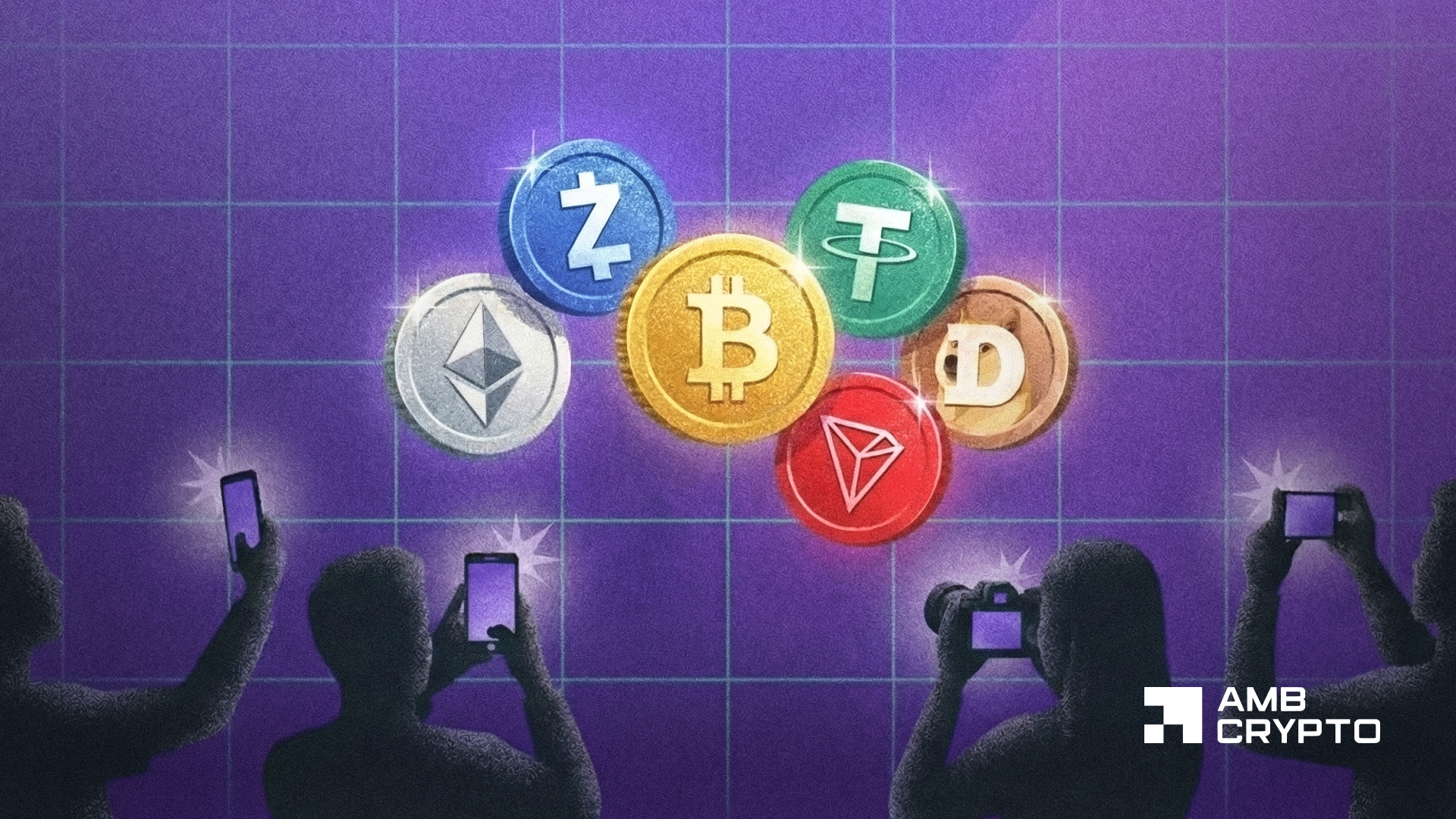
While the broader cryptocurrency market is shrouded in ‘extreme fear’ and bearish sentiment, the social media aspect of this dynamic industry tells a different and engaging story. Recent analyses, particularly from Santiment, reveal that certain cryptocurrencies are emerging as hot topics online, as community dialogue intensifies around them. This article explores the social traction gained by Bitcoin, Ethereum, Dogecoin, Tether, and the evolving role of stablecoins, uncovering the nuanced behaviors driving market sentiment despite widespread caution.
Bitcoin: A Milestone on the Horizon
Amid fluctuating market conditions, Bitcoin (BTC) stands out as the flagship cryptocurrency, gaining significant social traction in March. The mining of Bitcoin’s 20 millionth token on March 9th marked a crucial milestone, initiating the final phase of Bitcoin mining. With approximately 95% of the total supply already in circulation, this event has amplified discussions surrounding Bitcoin’s long-term scarcity and value proposition. Institutional interest further fuels this narrative, as entities like Strategy have increased their holdings substantially, boasting around 738,731 BTC.
However, a closer examination of on-chain data reveals a paradox. While social media sentiment surrounding Bitcoin has remained moderately positive, network participation appears to be waning, with active addresses dropping to about 11.6 million. This dichotomy raises questions about the actual health of the Bitcoin network as institutional buying surges contrasts with decreasing individual engagement.
Ethereum: Navigating Growing Tensions
Ethereum (ETH) is another major player capturing attention, albeit with a more complex narrative. Despite its solid standing as a core pillar for the digital economy, the recent market landscape showcases growing concerns around its network dynamics. On-chain data indicates a knock-on effect from institutional interest as firms like Bitmine accumulate ETH, yet the market faces withdrawals from spot Ethereum ETFs.
The hesitancy here is rooted in Ethereum’s staking system, which presents liquidity challenges due to lengthy entry and exit queues, alongside ongoing governance discussions. Recent months have seen active addresses decrease to approximately 12.8 million, mirroring a cooling of network activity. This backdrop of tightening social sentiment, fluctuating between slightly positive and negative, suggests a cautious approach by investors as they weigh Ethereum’s potential against its inherent challenges.
The Rise of Memecoins: Dogecoin’s Speculative Drive
In contrast to the mainstream cryptocurrencies, Dogecoin (DOGE) illustrates a compelling case of retail-driven speculation within the crypto arena. Recently, excitement surged around the impending early public access for X Money, which may or may not involve DOGE. However, it’s the influence of Elon Musk that has set off a wildfire of reactions within the community.
The resulting spike led to a staggering 779% liquidation imbalance, catching short sellers completely off guard as DOGE experienced a rapid price increase of 5.6% in just one day. This movement was underpinned by significant whale transfers and rising merchant adoption. On-chain data reveals how DOGE relies heavily on social sentiment; spikes in social volume correlate tightly with sharp changes in price, reflecting an ever-evolving landscape of speculative interest.
Tether: A Shift Towards Regulation
Tether (USDT) has recently been garnering attention as it adopts a more institutionalized and regulated approach. The introduction of the USA₮ (USAT) stablecoin in January 2026 exemplifies this strategic pivot toward regulated financial systems. Simultaneously, Tether’s XAUT aims to carve a niche in the gold-backed stablecoin market, where competition with Paxos’ PAXG is evident, yet XAUT offers enhanced liquidity on exchanges.
Despite regulatory moves, USDT continues to play a crucial role in emerging markets, where access to traditional dollar liquidity is limited. Reports indicate that USDT has traded for as high as ₹115 in India’s peer-to-peer markets, showcasing the increasing demand for digital dollars. More broadly, stablecoins have matured, processing over $1 trillion in transactions monthly, as indicated by Visa’s on-chain data. Even with newer entrants making their debut, USDT and USDC still dominate the landscape.
The Broader Market Context: Stablecoins and Decentralized Finance
Stablecoins have transitioned from being mere trading tools to becoming foundational blocks for cryptocurrency transactions. With more than $1 trillion in monthly transaction volume, they are now embedded within the global digital economy, providing stability amid market volatility. This evolution parallels renewed interests in decentralized finance (DeFi) platforms such as Aave (AAVE) and Uniswap (UNI), even as the market grapples with a prevailing sentiment of extreme fear.
As decentralized finance platforms continue to grow, discussions within the crypto community frequently touch on the intersection of stablecoins and innovative financial solutions, creating a fertile ground for potential adoption and increased engagement. The overall market may currently be in a cautious phase, but the persistent innovations and community-driven discussions suggest an undercurrent of enthusiasm that could lead to significant developments in the near future.
Conclusion: The Duality of Crypto Sentiment
In summary, while the current state of the crypto market embodies a sentiment of fear and doubt, social discussions surrounding various digital assets like Bitcoin, Ethereum, Dogecoin, and Tether showcase a contrasting narrative. Bitcoin’s milestone reinforces its scarcity and potential as an investment, while Ethereum’s ongoing developments highlight the challenges of a rapidly evolving landscape. Dogecoin exemplifies the influence of community-driven momentum, and Tether’s regulatory shifts illustrate the necessity for stable assets in a fluctuating environment.
Ultimately, the fusion of social sentiment and market dynamics paints a complex picture of the cryptocurrency space—one that, despite prevailing negativity, harbors the potential for resilience and future growth. Engaging with these discussions on social media platforms may provide valuable insights into how these digital assets are likely to evolve in the months to come.