


BlockFills Files for Chapter 11 Bankruptcy: A Cautionary Tale for the Crypto Industry
Introduction to BlockFills and Bankruptcy Announcement
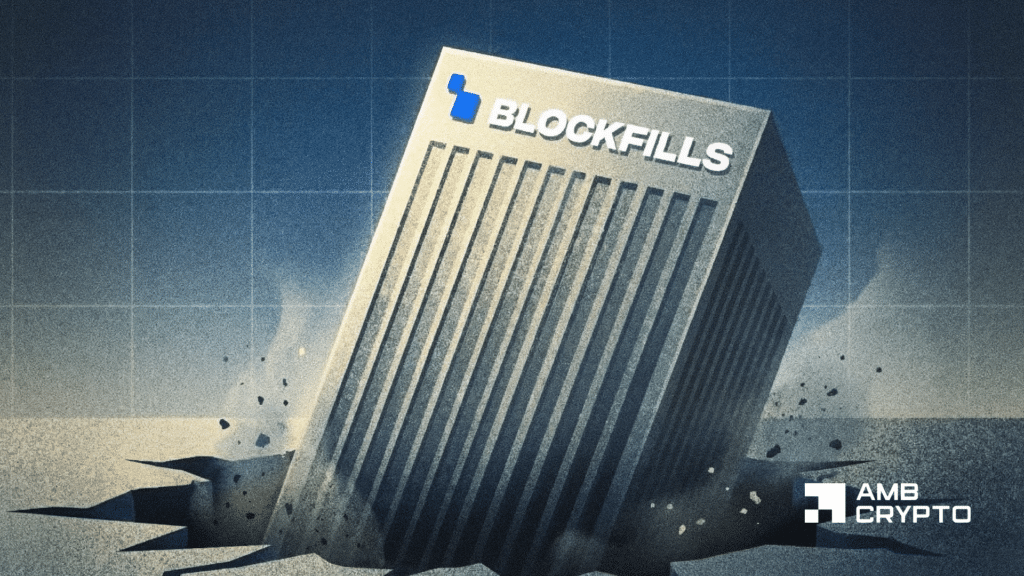
In a significant development in the cryptocurrency sector, Chicago-based crypto lending platform BlockFills has filed for Chapter 11 bankruptcy in Delaware. This announcement follows weeks of speculation regarding the firm’s financial difficulties. The operator, Reliz Ltd., indicated that this legal maneuver is intended to stabilize the company and preserve its value. Nevertheless, court documents unveiled a stark financial reality: BlockFills reported assets estimated between $50 million and $100 million, while its liabilities could reach as high as $500 million. This stark disparity raises eyebrows among investors and industry peers alike, illustrating the precarious state of the crypto lending environment.
History of BlockFills’ Financial Struggles
BlockFills once stood as a robust player in the crypto market, boasting a staggering $61.1 billion in trading volume in early 2025 and servicing approximately 2,000 institutional clients. However, the company began facing challenges following the October Crash, during which Bitcoin’s price plummeted from its record high of $124,500. Such volatility called into question the firm’s liquidity management practices. By February 2026, issues escalated when it was revealed that BlockFills had mixed customer and company funds, culminating in a financial shortfall of $77 million by the year’s end. Compounding these troubles, court filings from Dominion Capital alleged that BlockFills improperly utilized pooled customer funds for business expenses.
The Legal Quandary: Dominion Capital and Court Orders
Before filing for bankruptcy, BlockFills found itself embroiled in a legal battle in New York. A federal judge ordered the freezing of certain Bitcoin assets linked to the Dominion Capital case due to accusations that BlockFills had refused to return the owed funds. This ongoing legal entanglement not only complicates the bankruptcy proceedings but also stirs memories of past crises in the crypto universe. Institutional investors are keenly aware of these precedents and are likely monitoring the situation closely, given its potential implications for market stability.
The Implications of Chapter 11 Bankruptcy
Through the Chapter 11 bankruptcy process, BlockFills aims to restructure its debts and secure new investment capital to continue operations. However, the looming liability-to-asset gap poses a significant challenge to any recovery efforts. If the liabilities are determined to be unmanageable, the situation could shift to a Chapter 7 bankruptcy filing, wherein authorities would liquidate the remaining assets to satisfy creditor obligations. Such a scenario would drastically alter the playing field for BlockFills and potentially impact numerous stakeholders within the crypto ecosystem.
A Reflection on the Crypto Landscape: Déjà Vu for Investors
The situation unfolding at BlockFills resonates with past failures in the crypto space, such as those of FTX, Celsius Network, and Voyager Digital—companies that similarly mixed customer assets with their own or mismanaged funds. The inability of these firms to adhere to sound liquidity practices underscores the urgent need for more stringent regulatory oversight in the cryptocurrency sector. Stakeholders are increasingly vocal about the need for reforms aimed at enhancing transparency and accountability, hoping to safeguard the interests of investors in an ever-volatile market.
Conclusion: Lessons Learned and Moving Forward
The BlockFills bankruptcy serves as a stark reminder that even established institutional platforms within the crypto industry can face significant liquidity and risk management hurdles. As the company navigates the complexities of Chapter 11, it aims to address its substantial debts and rebuild its operations. However, the financial imbalance looms large, posing a formidable obstacle to recovery. The case calls for greater scrutiny of financial practices within the crypto industry and amplifies discussions surrounding the necessity for enhanced regulatory measures to protect investors in this evolving landscape. As BlockFills endeavours to stabilize and emerge from this turmoil, its journey will undoubtedly serve as a critical lesson for the entire crypto community.