




The Current State of the Crypto Market: Analyzing the Recent Collapse
The cryptocurrency market has seen a dramatic downturn recently, as evidenced by the sharp decline in the Fear & Greed Index, which has plummeted into the "extreme fear" zone. At the latest count, Bitcoin (BTC) fell to approximately $74,500, while the total cryptocurrency market capitalization dropped to its lowest levels since April 2025. This dramatic shift has left investors in a state of anxiety and uncertainty, as most cryptocurrencies exhibit oversold conditions across the board. With the market experiencing intense selling pressure, it’s crucial to explore what this means for Bitcoin and the broader cryptocurrency landscape.
Is Bitcoin Approaching Its Bottom?
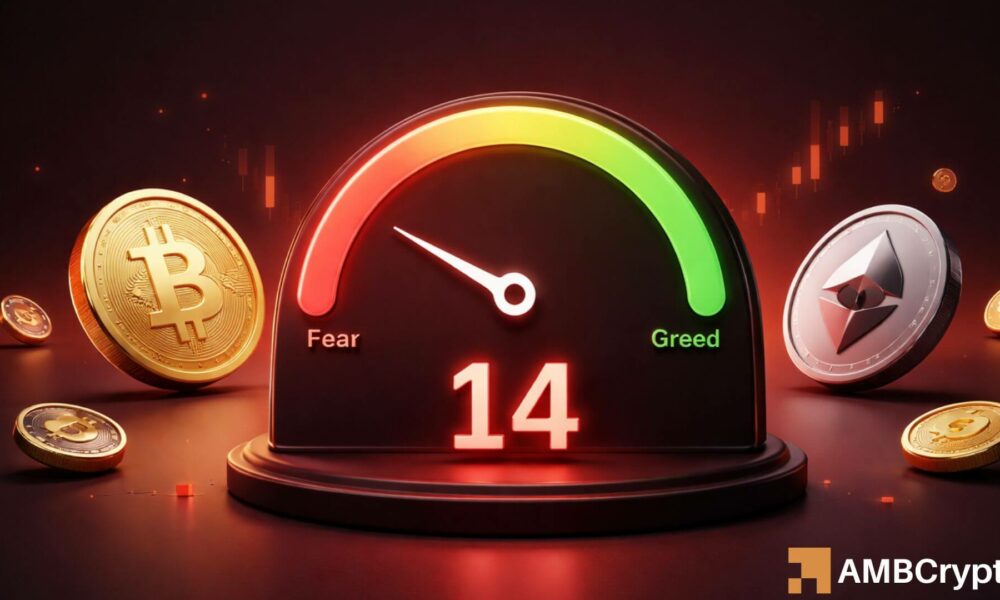
As of now, the Fear & Greed Index has registered a downward shift from "Fear" at 29 to a concerning "Extreme Fear" at 14, the lowest retail sentiment in six weeks. This change is symptomatic of a broader slump in the cryptocurrency market, with Bitcoin’s price struggles capturing the attention of investors and analysts alike. With the average Relative Strength Index (RSI) remaining below the 50-mark, the market appears weak, casting doubt on the sustainability of any potential recovery. Bitcoin’s RSI has even dipped below 30, indicating extreme oversold conditions, and Ethereum (ETH) is following suit. An alarming 14.4% of cryptocurrencies are still in the oversold zone. The question now arises: are we witnessing the bottom of the market, or do deeper declines lie ahead?
Decline in Total Crypto Market Cap
At this pivotal moment, the total cryptocurrency market cap has fallen to around $2.55 trillion—a sharp decline from earlier this year, particularly from April’s figure of $2.42 trillion. This decline may hint at a potential bottom, but it also raises concerns about the fragility of current levels. A bounce back might occur if these levels hold; however, persistent decline in confidence and further downward pressure could plunge the market into even deeper chaos. The current price action is sending a clear message: investors remain on edge, and any signs of reversal will need to be backed by solid indicators.
Factors Capable of Improving Market Conditions
For the cryptocurrency market to stabilize and possibly rebound, several factors are considered essential. The introduction of clearer regulations, such as the anticipated 2026 Clarity Act, could be the catalyst needed to restore investor confidence. Additionally, the U.S. Federal Reserve’s projected rate cuts by 2026 may serve to enhance cryptocurrency liquidity across the board. However, without significant policy shifts, the market is likely to continue its volatile trajectory, leading to further uncertainty in investor sentiment. In late January, Bitcoin experienced a staggering outflow of $890 million, with over 10,000 BTC exiting the market—a clear indication of shifting investor interests that need to be addressed for any healing to occur.
The Role of ETFs in the Market Recovery
As the market grapples with declining investor confidence, Exchange-Traded Funds (ETFs) have emerged as crucial players in restoring balance. It is imperative that ETFs turn positive in their performance, as sustained inflows into these investment vehicles can help to stabilize the market. If institutional investors become confident enough to re-enter the space, it could set in motion a series of positive trends to restore investor faith. The interplay between retail sentiment and institutional backing will be pivotal in determining the road ahead for cryptocurrencies.
Conclusion: Navigating a Fragile Market
In summary, the current state of the crypto market is characterized by uncertainty, with Bitcoin trading below $75,000 and extreme fear prevailing among investors. The journey to recovery is fraught with challenges, with regulatory clarity and institutional confidence acting as key stakeholders in creating stability. As the dynamics of the market evolve, investors must remain vigilant, understanding that while the potential for a rebound exists, it largely hinges on external factors that could influence confidence levels. As we navigate this fragile landscape, close attention to the interplay of market sentiment and regulatory changes will be vital for anyone invested in cryptocurrency.
By staying informed and agile, investors can better position themselves for potential rebounds, ensuring they are prepared for the next chapter in the ever-changing world of cryptocurrencies.