



The Evolving Landscape of AI-Driven Crypto: Understanding the Recent Bittensor Developments
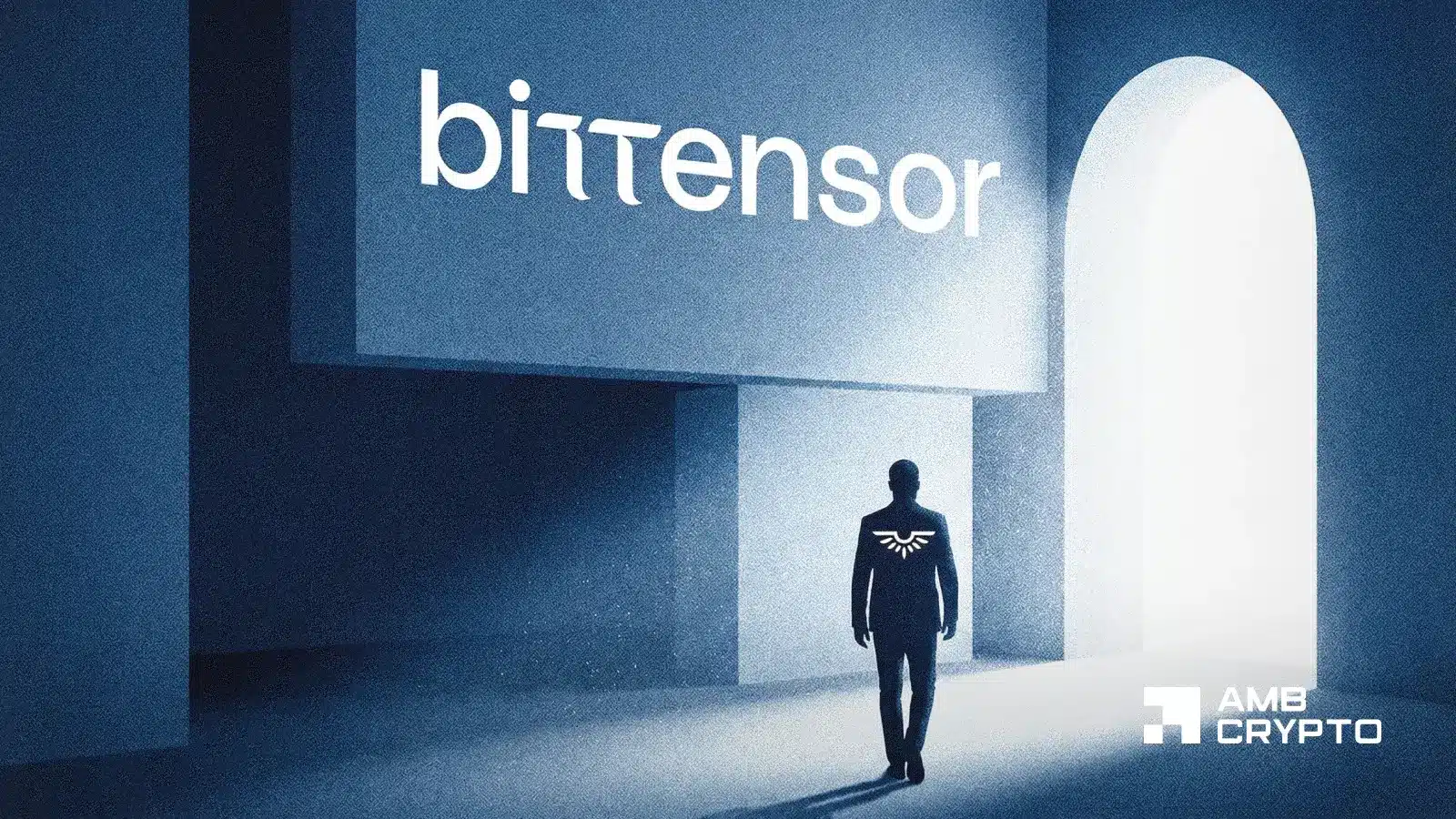
The intersection of artificial intelligence (AI) and cryptocurrency has become a focal point of innovation, depicting a unique evolutionary path in decentralized finance (DeFi). Initially aimed at decentralizing financial systems and enabling seamless peer-to-peer transactions, the integration of AI into blockchain networks is not merely a trend but a fundamental shift optimizing transaction processes. However, recent events surrounding Bittensor (TAO) have introduced significant challenges to this narrative, prompting discussions about the network’s true decentralization.
Emergence of Concerns: Covenant AI’s Exit
The recent exit of Covenant AI, a notable participant in the Bittensor network, has stirred up uncertainty and prompted questions about the platform’s operational integrity. Covenant AI articulated concerns on social media, highlighting that decisions within Bittensor seemed to be swayed by centralized governance. Allegations arose that the leadership had unilaterally suspended subnet emissions, stripped community control, and decentralized infrastructure while exerting economic pressure via token sales. This situation has led to broader fears that the foundational principles of decentralization may be undermined, suggesting a deviation from the original ethos that underpins blockchain technology.
Analyzing the Impact of FUD on TAO
It’s essential to differentiate between fear, uncertainty, and doubt (FUD) as mere sentiment-driven reactions versus structural concerns rooted within the network. Covenant AI’s exit has raised doubts that go beyond surface-level reactions and may indicate deeper issues at play within Bittensor’s governance and operational models. This dilemma invites critical analysis: Is the apprehension surrounding TAO merely a transient phase, or does it reflect a more significant underlying threat to the network’s stability and growth?
The State of the AI Token Market
Despite the turmoil surrounding Bittensor, the market for AI tokens demonstrates resilient growth. For instance, while Bitcoin (BTC) only experienced a modest market cap increase of 2.14%, AI-centric tokens witnessed a considerable nearly 13% rise in market cap, alongside a trading volume spike of 70% within the same timeframe. This divergence highlights how investor sentiment is increasingly favoring AI-focused projects over traditional crypto assets, suggesting a structural robustness and strong capital rotation into AI endeavors.
TAO’s Performance Under Scrutiny
The quarterly performance of TAO serves as a microcosm of these broader trends. Following the announcement of Covenant AI’s departure, TAO experienced a significant drop, extending losses by 13.3% and leading to a cumulative decline of almost 25% within just three days. Factors contributing to this downturn include the fading enthusiasm surrounding a $43 million revenue narrative and optimism regarding Grayscale’s ETF filing. As investor confidence diminishes in the wake of these events, the initial bullish momentum behind TAO appears to be eroding, marking a pivotal point in its investment appeal.
Reassessing Investor Sentiment in Light of Governance Issues
Although the impetus for AI and decentralized projects remains robust, Covenant AI’s exit raises red flags about Bittensor’s long-term viability. The technical weakness observed in TAO suggests that the recent downturn may be symptomatic of foundational governance issues rather than a transient market correction. As investors grapple with the implications of centralized control within a decentralized framework, the necessity for transparent, community-driven governance becomes increasingly apparent. To regain trust and sustain interest, Bittensor must address these concerns directly and transparently.
Conclusion: Navigating the Future of AI in Crypto
In summary, the integration of AI into cryptocurrency is shaping a more dynamic and appealing market landscape. Still, recent developments within Bittensor underscore the importance of true decentralization. As investor sentiment shifts in response to governance challenges, the future trajectory of TAO hangs in the balance. Stakeholders must prioritize transparency and community involvement to harness the full potential of AI-driven ecosystems, ensuring that the shift towards AI in crypto does not derail the fundamental principles of decentralization that form the basis of this innovative space. By focusing on these pivotal issues, the momentum surrounding AI can foster sustainable growth, attracting further investment and innovation in the realm of decentralized finance.