



Understanding the Senate’s Approach to DeFi: Key Takeaways and Implications
In recent developments regarding the regulation of decentralized finance (DeFi), the Senate’s draft has left the sector open for scrutiny and feedback. Lawmakers are still grappling with how to establish effective regulations for this innovative yet complex financial landscape. The ambiguity surrounding DeFi regulations not only raises concerns for developers and investors but also significantly impacts the progression of broader crypto market legislation. As discussions advance, it’s crucial to understand the underlying issues, potential risks, and future directions for DeFi in the crypto market.
The Open Review of DeFi Regulations
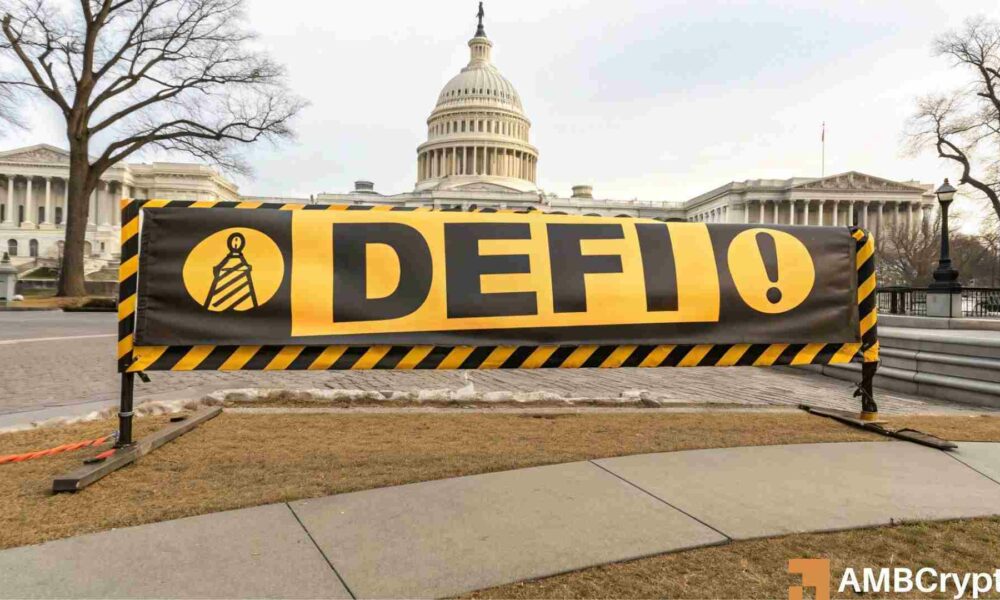
The recent draft from the Senate Agriculture Committee presents a significant question: why has DeFi been left so open for review? Unlike other aspects of the proposed legislation, the section concerning DeFi features a disclaimer emphasizing the need for further input. This signals an acknowledgment of the chaos surrounding DeFi governance and the intricate dynamics between lawmakers and industry stakeholders. Analysts have indicated that the limited provisions included do not provide any “safe harbor” for developers or users within the DeFi ecosystem. This gap suggests a lack of consensus among lawmakers, further complicating the prospects for defining robust regulatory guidelines.
Legal Risks for DeFi Operators
Given the current proposal, DeFi operators are exposed to significant legal risks. Bill Hughes, a lawyer at ConsenSys, highlights a troubling aspect of the draft: while it seems to protect self-custody wallets and developers of open-source blockchain systems, it does not extend similar protections to operators of decentralized exchanges (DEXs) or lending protocol interfaces. If these operators are found to engage in wrongdoing, they could potentially face legal action. Hughes warns that the draft lacks sufficient protections for individuals or entities acting as custodians, fiduciaries, or providers of financial services, thereby placing them within a precarious legal framework.
The DeFi Dilemma
The ongoing DeFi dilemma represents a critical challenge for the Senate Banking Committee as it prepares its own version of the market structure proposal. Under the proposed CLARITY Act, the regulatory oversight of cryptocurrency would be divided: the Commodity Futures Trading Commission (CFTC) would oversee commodities, derivatives, and custody issues, while the Securities and Exchange Commission (SEC) would handle securities, investor protection, stablecoins, and DeFi matters. This division clarifies the regulatory landscape yet contrasts the roles of the two committees in Congress, where the Banking Committee governs the SEC and the Agriculture Committee manages CFTC activities. This framework demands collaboration to ensure any resultant regulations are harmonized before the bill advances to a Senate floor vote.
The Path Forward for DeFi Regulation
The future of DeFi regulation will be a determining factor in the pace and success of the market structure bill. As legislators work towards harmonizing provisions regarding DeFi, the outcomes of these discussions may either expedite or stall legislative processes. According to reporter Brendan Pedersen, reaching a consensus on DeFi regulations is crucial for enabling the bill’s progress. The challenges in accommodating diverse opinions within Congress, along with the interests of various industry stakeholders, will likely shape the trajectory of DeFi governance moving forward.
Optimistic Perspectives Amid Uncertainty
Despite the uncertainties surrounding the DeFi provisions, organizations like the DeFi Education Fund express optimism, noting the protective measures included in the proposal. This positivity comes at a time when the chances of the market structure bill’s passage, specifically the CLARITY Act, have climbed to 37% following the discussion draft update. Initially, the odds had declined, indicating the market’s apprehension toward the potential delay of the bill until 2026. However, the latest developments suggest a renewed optimism among advocates and industry players regarding the bill’s timely enactment.
Conclusion: The Future of DeFi in the Crypto Landscape
As the Senate navigates the complexities of DeFi regulation, the outcome of these discussions will have far-reaching implications for the crypto market. The lack of clear guidelines poses challenges for operators and participants alike. The need for effective and comprehensive regulations that protect all stakeholders while fostering innovation remains a priority. With continued dialogue between lawmakers and industry players, the hope is that a balanced approach will emerge, setting the foundation for a regulated yet thriving DeFi landscape. As this narrative unfolds, all eyes will be on the Senate’s next steps, which could ultimately define the future of decentralized finance within the broader cryptocurrency ecosystem.