


Coinbase Suspends Ronin Trading Ahead of Ethereum Layer-2 Migration
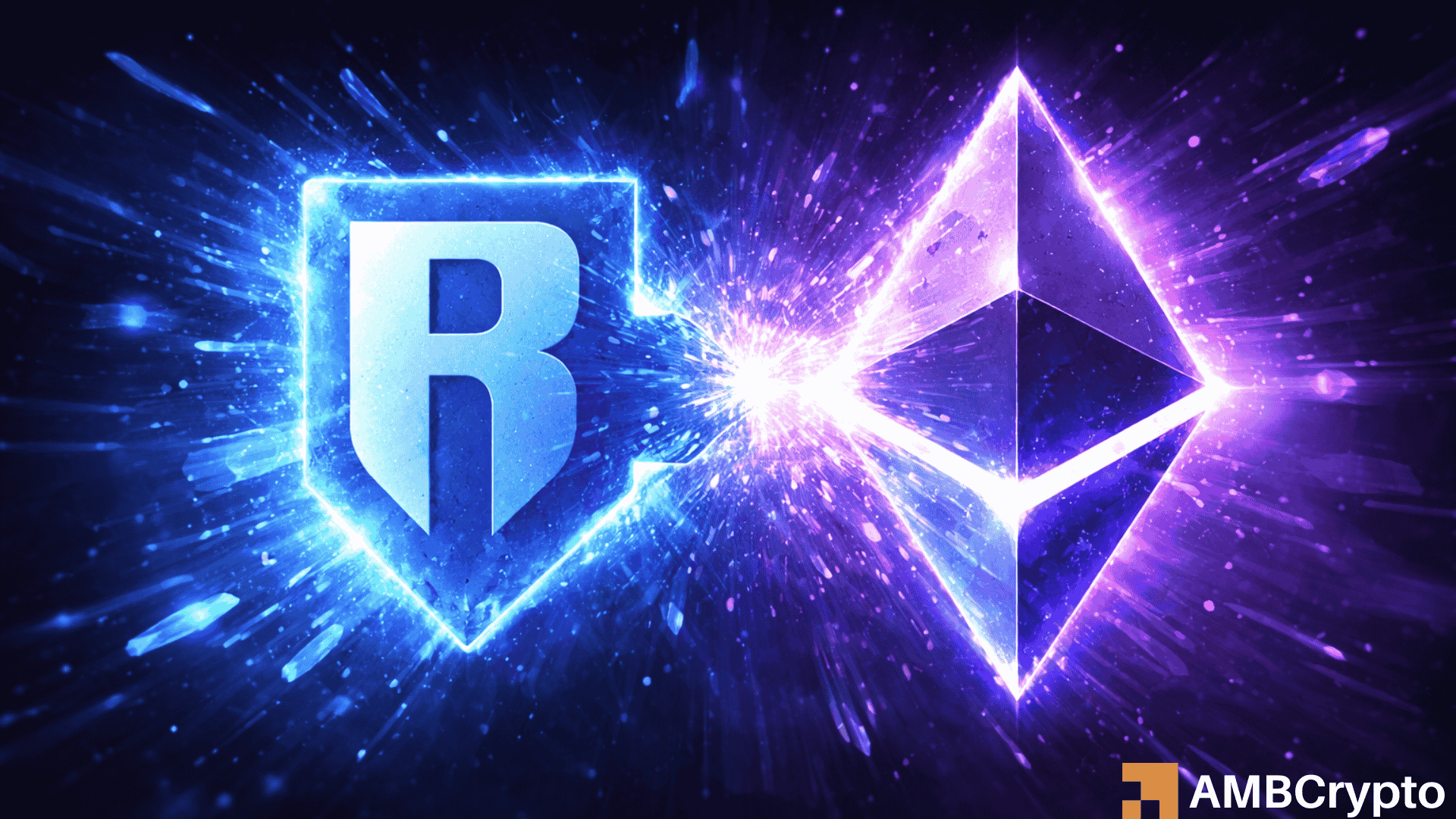
Coinbase has recently implemented a significant operational change by suspending trading for Ronin (RONIN) as it embarks on the execution phase of the network’s planned migration to a new Ethereum layer-2 (L2) solution. According to an update released on March 30, 2023, Coinbase affirmed that while trading is disabled, user funds will still be accessible for withdrawal until a definitive migration date is finalized. However, it’s essential for users to understand that Coinbase will not facilitate the migration on their behalf, placing the onus on users to move their tokens proactively.
Importance of User Action for Fund Transfer
Prior to the suspension, Coinbase had notified its users as early as March 3 that action was required for those holding RONIN tokens. The exchange stressed that RONIN holders must transfer their assets to a compatible self-custodial wallet before the upgrade is executed. Any assets left on the platform will become inaccessible once migration concludes. This notification serves as a crucial reminder for users to take the necessary steps to ensure they don’t lose access to their funds due to inaction.
To further prepare for the migration, Coinbase previously restricted RONIN order books to limit-only mode earlier in March, which limited market orders and set the stage for the trading suspension. These steps aimed to encourage users to act swiftly in transferring their tokens to avoid any complications during the migration process.
Understanding the Migration to Ethereum L2
The ongoing migration process can be traced back to Ronin’s strategic roadmap aimed at evolving from a gaming-centered Ethereum sidechain into a robust L2 network by 2025. This ambitious upgrade intends to enhance transaction speed and security by better aligning with Ethereum while also broadening the scope of possible applications. By expanding beyond gaming, Ronin seeks to tap into the burgeoning sectors of decentralized finance (DeFi) and consumer applications.
The projected timeline for this migration is expected to complete between the first and second quarters of 2026. The current developments and trading suspension align well with this roadmap, indicating that the Ronin network is actively working towards fulfilling its outlined objectives.
Market Reaction and Stability of RONIN Token
Despite the significant changes occurring with the trading suspension, the market reaction has been surprisingly muted. At the time of writing, RONIN was trading at approximately $0.0839, reflecting a minor decrease of about 1.2% over the past 24 hours. Its market capitalization remained around $64.5 million, while trading volumes held steady at approximately $3 million. This relative stability suggests that the market had already anticipated the upcoming transition and had priced in these operational changes.
Risks of Inaction for Users
With Coinbase clearly stating that any RONIN assets left on the platform would not be accessible post-migration, the risks for users who fail to act can be significant. In a rapidly evolving digital asset landscape, procrastination can lead to lost opportunities or, worse, the irreversible loss of funds. Users are urged to take precautionary measures to transfer their assets to avoid any complications that the migration might bring.
Furthermore, by ensuring a seamless transition of their tokens, users can maintain their engagement with the Ronin network and capitalize on its future developments, particularly as it strives to become a more versatile L2 solution.
Conclusion: The Future of Ronin and User Responsibility
In summary, Coinbase’s suspension of trading for RONIN marks a crucial phase in the network’s planned migration to an Ethereum layer-2 solution. With user action being paramount in the transfer process, it’s vital for RONIN holders to take immediate steps to secure their assets. Despite the trading halt, RONIN’s price remains relatively stable, suggesting that the market has already accounted for these developments. As Ronin continues to evolve and broaden its use cases, users who act responsibly will be best positioned to take advantage of the network’s promising future in both gaming and beyond.