



Coinbase Pulls Support for the CLARITY Act: What This Means for the Crypto Industry
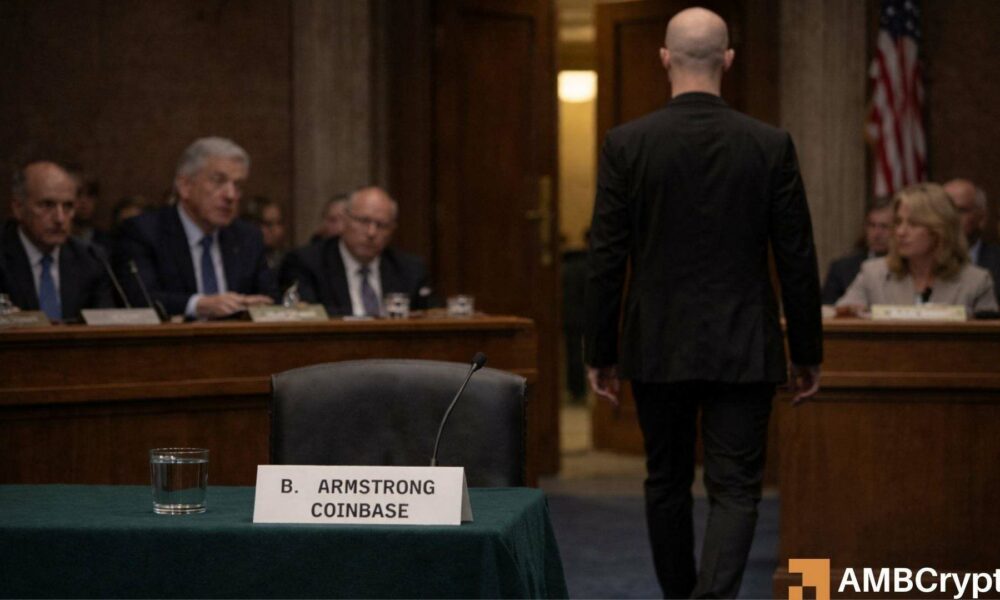
Coinbase, one of the leading names in the cryptocurrency exchange space, has officially withdrawn its support for the proposed CLARITY Act. This significant move has prompted the Senate Banking Committee to postpone the scheduled markup of the bill. Brian Armstrong, the CEO of Coinbase, expressed his concerns regarding the current draft of the legislation, stating that it presents "too many issues" and is detrimental to the entire crypto sector. Key objections include restrictions on tokenized equities, limited DeFi options that infringe on privacy, and prohibitions on stablecoin rewards. Armstrong has emphasized that maintaining the current regulatory environment is preferable to pursuing a flawed bill, reinforcing the industry’s demand for fair treatment alongside traditional financial services.
The Implications of the Postponement
The withdrawal of support from Coinbase has effectively derailed the planned markup originally set for January 15. In light of this development, Committee Chairman Tim Scott acknowledged the need for ongoing bipartisan negotiations with all stakeholders in the crypto and financial sectors. Scott reassured that discussions among Senate members, as well as industry leaders from both sides of the aisle, are ongoing. However, unlike the Senate Agriculture Committee, which has adjusted its markup timeline, the Banking Committee has yet to present a new schedule for its session, leaving the future of the bill uncertain.
Growing Concerns Within the Crypto Community
Industry analysts like Alex Thorn from Galaxy have pointed out that recent amendments proposed by Senator Elizabeth Warren—totaling 35 in number—have severely convoluted the original objectives of the CLARITY Act. Many of these amendments introduce stricter oversight of DeFi operations and a ban on tokenized stocks, which are viewed as favorable for traditional banks. The changes have undoubtedly contributed to a prevailing sentiment among crypto supporters that the bill, in its current form, is becoming less favorable and more burdensome for innovation within the industry.
Market Sentiment and Uncertainty
The lack of clarity surrounding the Banking Committee’s actions has left the market in a state of ambiguity. As a result of these developments, the probability of the CLARITY Act becoming law has swung dramatically. Market sentiment now reflects a near 50/50 chance, with platforms like Polymarket indicating only a 52% likelihood of the bill passing, down from nearly 80% just two days earlier. This rapid decline in optimism points to pervasive uncertainty, especially given the impending U.S. election cycle, which may complicate legislative efforts further.
Seeking a More Favorable Framework
As discussions around the CLARITY Act continue, the crypto community remains hopeful for a more balanced and constructive framework. Coinbases’ stance reflects a widespread sentiment within the industry: that it is crucial to prioritize workable legislation rather than settle for inadequate solutions. There is a growing consensus that only through collaboration and commitment to a truly equitable regulatory environment can the crypto industry flourish alongside established financial services.
Conclusion
In summary, Coinbase’s withdrawal of support for the CLARITY Act has significant implications for cryptocurrency regulation and development in the United States. As the Senate Banking Committee deliberates on the fate of the bill, the crypto community is resolute in advocating for a regulatory approach that does not stifle innovation. While the uncertainties continue, industry leaders, lawmakers, and stakeholders must engage in constructive dialogue to pave the way for a more favorable regulatory landscape that balances innovation with consumer protection.
In navigating these complex issues, all parties involved must remember that the objective should be to create an inclusive and efficient framework that enhances the credibility and utilization of cryptocurrencies while ensuring robust protections for users and investors alike.