



Title: Combating Cybercrime: How Coinbase and Microsoft Targeted the Tycoon 2FA Phishing Program
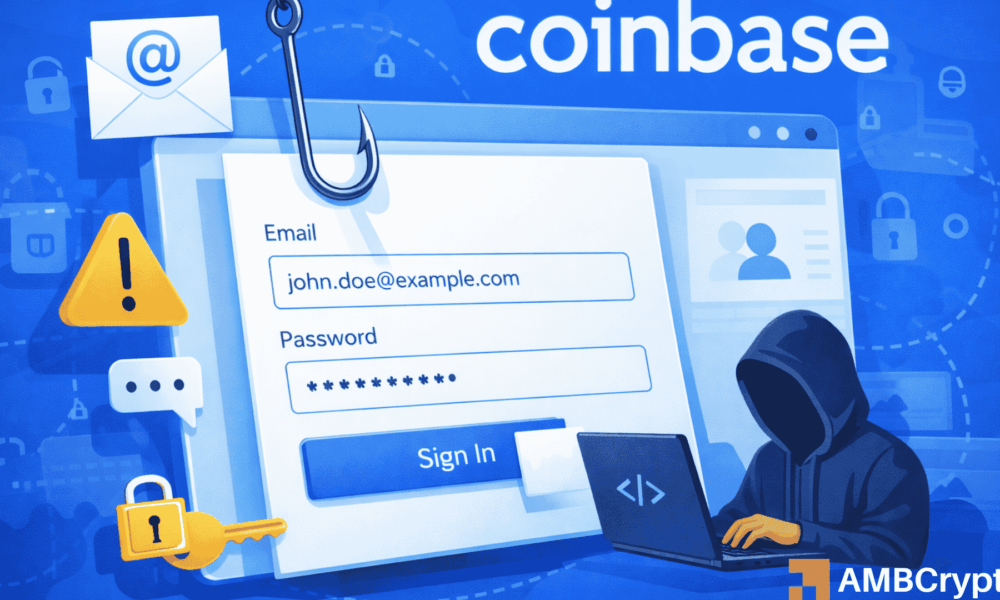
In a groundbreaking initiative, Coinbase, in collaboration with Microsoft and Europol, successfully disrupted Tycoon 2FA, a notorious phishing-as-a-service platform that facilitated the theft of login credentials through sophisticated phishing campaigns. This comprehensive action specifically targeted the infrastructure that supported Tycoon’s operations, which included domains hosting control panels and phishing pages. By employing a combination of legal strategies, infrastructure takedowns, and advanced blockchain analysis, these organizations aimed to bring down Tycoon’s nefarious activities and protect unsuspecting users.
Understanding Tycoon 2FA’s Operations
Tycoon 2FA operated on a subscription model, making it easier for cybercriminals to launch credential-harvesting campaigns. The platform provided attackers with tools to create cloned login pages that mimicked legitimate services like Microsoft 365, thereby increasing the likelihood of successful phishing attempts. It captured not only usernames and passwords but also critical authentication codes and session cookies. This capability allowed attackers to gain unauthorized access to accounts while bypassing multi-factor authentication (MFA) prompts, making Tycoon a formidable player in the phishing landscape. The implications of this are significant, as such breaches can lead to larger cyberattacks, including business email compromise and invoice fraud.
Legal and Technical Efforts to Dismantle Tycoon
The collaborative efforts culminated in a civil action filed by Microsoft, which resulted in a court-authorized seizure of essential domains associated with Tycoon. This legal approach served as a cornerstone of the campaign, effectively taking the service offline. By combining legal measures with technical strategies, Coinbase and its partners dismantled the infrastructure that enabled Tycoon’s operations. They also employed blockchain analysis to trace the financial flows sustaining this phishing network, revealing how cryptocurrency was being leveraged for illicit purposes.
Tracing Financial Connections Through Blockchain
Coinbase’s Global Intelligence team played a critical role in tracing cryptocurrency payments that financed Tycoon. Phishing-as-a-service platforms operate on a subscription basis, similar to legitimate software businesses, making financial tracking a viable strategy for investigators. This blockchain analysis not only identified financial links between Tycoon’s operators and their associated infrastructure but also led to the attribution of the platform’s administration to Saad Fridi, believed to be located in Pakistan. This kind of tracking underscores the importance of transparency within the cryptocurrency ecosystem, highlighting the need for continued vigilance against such threats.
The Ongoing Threat of Phishing in the Crypto Space
Phishing remains a predominant threat in the cryptocurrency segment. Recent reports indicate that crypto-related hacks have resulted in losses amounting to over $112 million during the early months of 2026 alone. Most of these incidents stem from social engineering tactics that exploit the vulnerabilities of unwary users. Platforms like Tycoon have further exacerbated this issue by industrializing phishing initiatives, making it increasingly challenging for both individuals and businesses to safeguard their digital assets. This rising trend necessitates proactive measures to defend against evolving phishing tactics.
Dismantling the Phishing Economy
For a robust response to cyber threats, Coinbase stresses the need for a dual approach that involves targeting both the infrastructure powering phishing campaigns and the financial networks that sustain them. Their commitment to collaboration with technology companies and law enforcement underscores the importance of a comprehensive strategy in combating cybercrime. The fight against platforms like Tycoon is part of a larger effort to create a safer cryptocurrency environment, benefiting both users and the industry as a whole.
Conclusion: Ongoing Combat Against Cybercrime
In this digital age, the fight against cybercrime is an ongoing battle requiring coordinated efforts among various stakeholders. The disruption of Tycoon 2FA by Coinbase and Microsoft is a significant step forward in addressing the phishing epidemic that poses a considerable threat to the cryptocurrency landscape. By implementing legal actions, employing advanced technology, and focusing on financial links, these organizations aim to dismantle such illicit networks. As phishing attacks continue to challenge the security of crypto users, it becomes increasingly vital for the industry to implement comprehensive protective measures to ensure a safer digital future.