



Circle Shares Plunge Amid Regulatory Concerns: Analyzing the Stablecoin Landscape
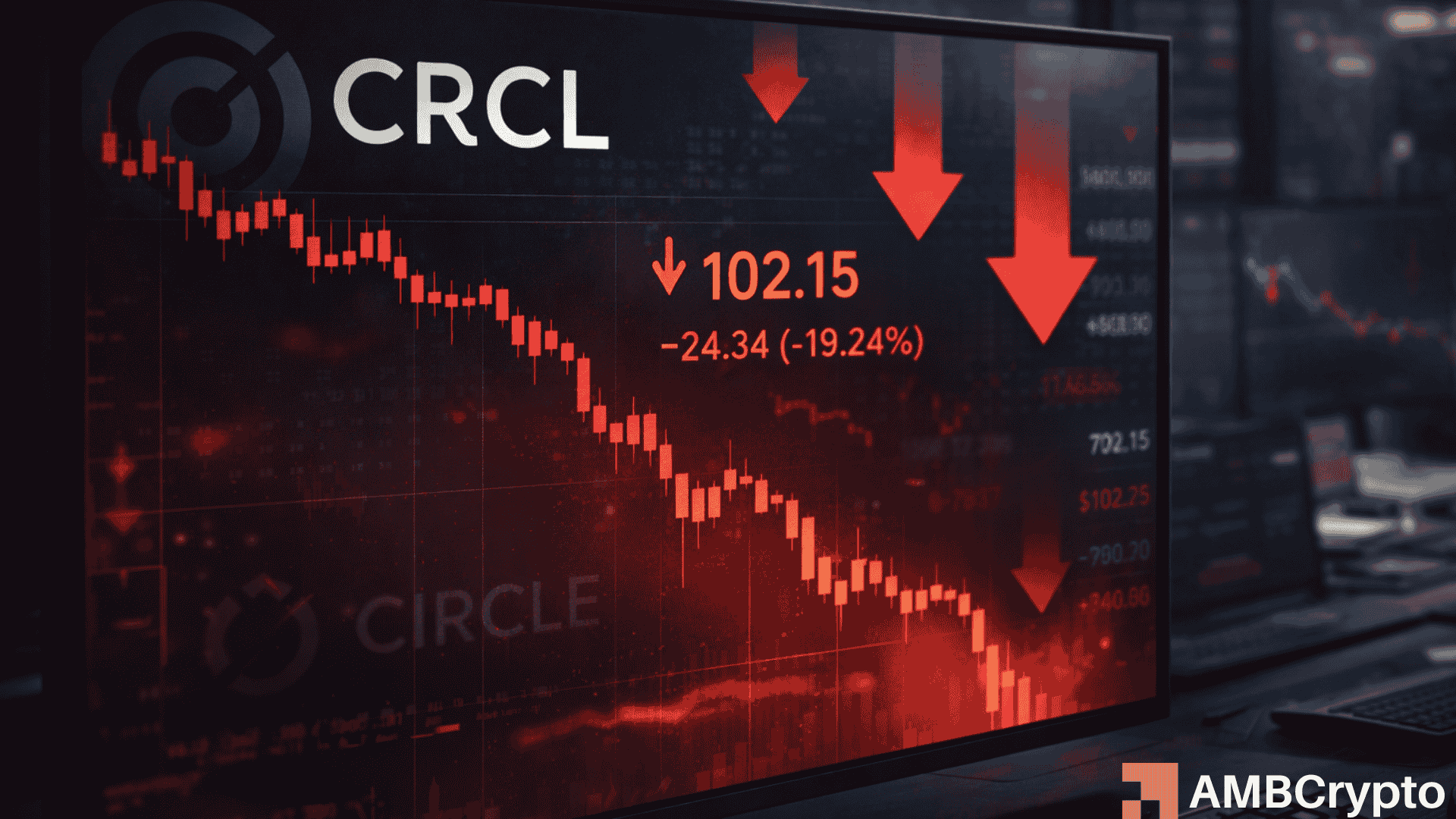
On March 24, shares of Circle Internet Group (CRCL) experienced a dramatic decline, plummeting nearly 19% in just one trading session. The stock fell from an intraday high of around $127 to approximately $102, marking one of its steepest single-day losses in recent weeks. This downturn follows a substantial rally earlier in the month, where CRCL had surged from below $60 to over $130. The abrupt reversal underscores the volatility of the crypto market, especially in light of regulatory changes affecting stablecoins.
The recent sell-off was notable not only for its steep price drop but also for a marked increase in trading volume. This spike suggests that the market’s reaction was not merely routine but rather indicative of strong investor sentiment. The timing of the decline aligns with growing regulatory scrutiny surrounding stablecoins, leading many to speculate that concerns over potential restrictions played a significant role in the downturn.
Regulatory Developments on Stablecoins
A report from Eleanor Terrett highlights key issues affecting the stablecoin sector, particularly addressing new legislative proposals that could impose strict limitations on how stablecoin issuers provide rewards to their users. Under discussion is a measure that would potentially prohibit platforms from offering yield “directly or indirectly” for holding stablecoins, akin to traditional bank deposits. This regulation would extend across exchanges, brokers, and affiliated services, restricting any mechanisms considered “economically or functionally equivalent” to interest.
Importantly, the draft legislation is not designed to eliminate incentives altogether; it will permit activity-based rewards tied to user behavior, such as loyalty programs, as long as they are not classified as interest-like incentives. This distinction may allow platforms to retain some competitive edge while complying with regulatory frameworks, though the uncertainty surrounding “economic equivalence” poses additional risks for businesses.
Implications for Circle and the Market
For Circle, the issuer of the USDC stablecoin, potential yield restrictions could have substantial implications. Stablecoin yield and reward programs have emerged as pivotal tools for attracting and retaining users across cryptocurrency platforms. A reduction or outright elimination of these features might hinder the competitive standing of stablecoins compared to traditional financial products. This challenge could also diminish revenue opportunities tied to user balances, impacting Circle’s overall growth strategy.
Moreover, the evolving regulatory landscape adds complexity to business models that rely on flexible reward structures. If the proposed legislation progresses, Circle and similar platforms may need to fundamentally rethink their user engagement strategies, shifting focus from yield-based incentives to alternative forms of user loyalty and interaction.
Market Sentiment and Future Outlook
The sharp decline in Circle’s stock serves as a vivid illustration of just how sensitive crypto-linked equities can be to emerging regulatory risks. Investors are increasingly aware of how new regulations can impact established business models and profitability within the cryptocurrency sector. As market sentiment shifts, stakeholders must stay agile, responding swiftly to regulatory updates and adapting their operational frameworks accordingly.
While regulatory scrutiny may create short-term turbulence in the shares of companies like Circle, it could also herald a potential transformation within the stablecoin space. Heightened transparency and accountability in the sector could bolster consumer trust, ultimately leading to a more robust market in the long run. However, the immediate challenge lies in navigating the potential constraints new regulations may impose.
Conclusion: Navigating a New Era for Stablecoins
The current environment for stablecoins is characterized by scrutiny and potential regulatory changes that could reshape the competitive landscape. Investors and companies alike must brace for a new era that prioritizes compliance and user safety, which may come at the expense of familiar rewards systems. As Circle and other issuers adapt to the changing regulations, the industry will need to focus on innovative ways to engage users while adhering to a more stringent framework.
In summary, the recent decline in Circle’s stock underscores the volatility inherent in the cryptocurrency market amidst regulatory uncertainties. As stablecoin issuers navigate these challenges, the future of rewarding users and maintaining competitive advantages will depend on their ability to innovate within the bounds of new legislative frameworks. The road ahead may be fraught with challenges, but it also presents opportunities for growth and evolution in the cryptocurrency sector.