



The Rise of BNB Chain: Understanding the EVM Landscape in 2025
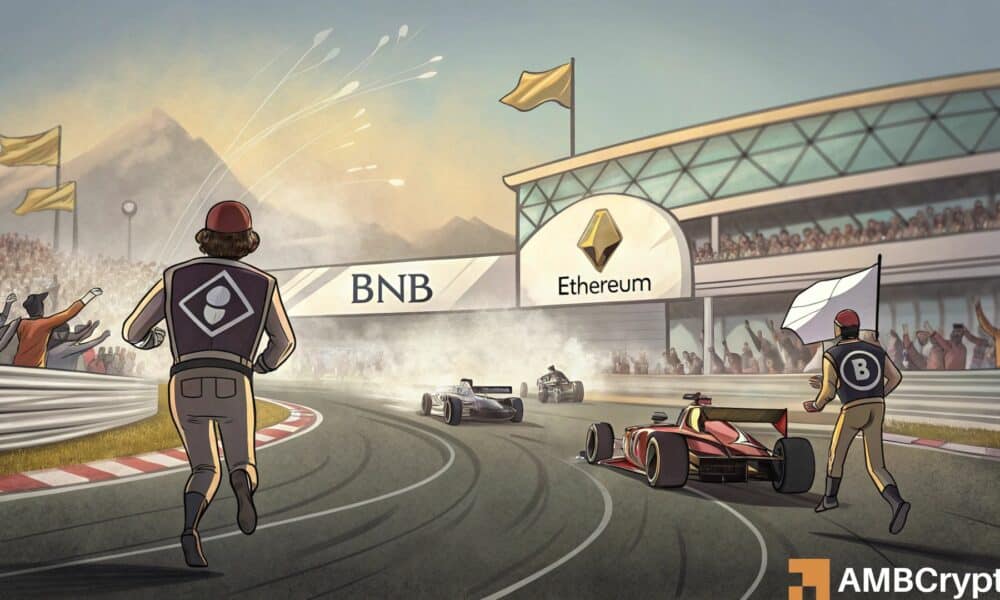
In the evolving landscape of Ethereum Virtual Machines (EVM) in 2025, it became evident that hype cycles and token rallies were not the deciding factors for dominance. Analyzing on-chain data reveals a clear trend: the BNB Chain surged ahead in active user engagement, establishing itself as a frontrunner as the market approached 2026. Unlike many EVM chains that experienced sporadic bursts of attention, the BNB Chain demonstrated a notable shift towards routine usage, showcasing sustained and quiet compounding growth that underscores its leadership position.
As the market dynamics evolved, reports highlighted a significant change in activity leadership among major EVM chains. After July 2025, BNB Chain started trending with a consistent increase in active addresses, a metric that remained elevated throughout the latter part of the year. This rise in usage stems from several factors, including affordable transaction fees and substantial integration with centralized exchange (CEX) flows, which facilitated seamless user experiences. In stark contrast, while chains like Base registered rapid spikes in activity, this growth was not sustainable and lacked the long-term momentum necessary for enduring demand.
The BNB Chain’s approach marks a departure from the usual hype-driven strategies employed by many competitors in the space. Rather than solely relying on temporary spikes, the chain maintained steady activity levels characterized by habitual usage. This consistency suggests the presence of sticky liquidity and a core base of repeat users who find BNB Chain’s offerings appealing. Thus, the BNB Chain’s dominance appears to be structural, which positions it advantageously as we move into 2026 amid ongoing market transformations shaped by regulatory dynamics.
In terms of transactional metrics, Ethereum continues to act as the anchor within the EVM ecosystem, particularly in terms of settlement value and fees. As of late 2025, Ethereum led the way with $482.96 million in fees, despite encountering an 80% decline compared to its previous peak of over $2.4 billion. However, when it comes to active user activity, BNB Chain takes the lead, boasting 246 million active addresses (up 173%) and nearly 4 billion transactions (up 199%). Additionally, fees on the BNB Chain have also seen a rise of 34%, totaling $258 million, which is indicative of its user-friendly approach and significant retail engagement.
When analyzing competitors, Base demonstrated a commendable growth trajectory, with 175 million active addresses (up 62%) and a transaction spike of 169%. Nevertheless, its 18% drop in fees indicated that their growth stood on incentive-driven usage rather than organic demand. Meanwhile, Arbitrum operated below the competition, with a 4.4% fall in active addresses and a 56% plunge in fees, despite a 35% increase in transactions. This differentiation illustrates the need for chains to focus on user retention rather than engaging in aggressive incentivization strategies that may not yield long-lasting benefits.
Looking ahead to 2026, the future of EVM dominance will likely rely on retention metrics rather than transient spikes in activity. Factors such as Ethereum’s anticipated scalability enhancements and rollup fee reforms could potentially rejuvenate user engagement. In parallel, BNB’s ongoing success may hinge on renewed incentive structures or CEX-linked initiatives aimed at extending its lead. Ultimately, the paths taken by various chains will be shaped by their ability to foster real-world app adoption, including significant advancements in payment solutions, gaming, and social applications.
Final Thoughts
In conclusion, BNB’s ascendancy throughout 2025 can be attributed to habitual user engagement rather than ephemeral hype, positioning it as a formidable player in the EVM ecosystem. While Ethereum remains the stronghold for settlement functions, the future leadership in the EVM space will likely depend on the ability of various chains to implement scalability upgrades, enhance user retention efforts, and launch practical applications. As the market enters 2026, these elements will play crucial roles in sustaining growth and shaping the competitive landscape among EVM chains.