

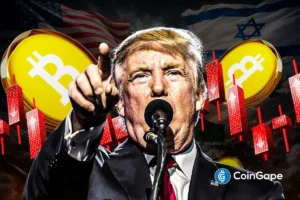



U.S.-EU Trade Deal: A Game Changer in Global Markets
The recent trade agreement between the United States and the European Union has sent ripples through global markets, marking a significant shift in economic relations. Announced at Donald Trump’s golf resort in Scotland following a meeting with EU President Ursula von der Leyen, this pact aims to ease economic tensions by slashing proposed tariffs on most EU goods by half—from 30% to 15%. The unexpected nature of this deal has triggered an enthusiastic response from investors and market participants, who perceive it as a momentous step toward stability and predictability in international trade.
A Welcome De-escalation
The newly forged agreement represents a critical respite from the escalating trade frictions that have dominated U.S.-EU relations for several months. As the two entities account for nearly one-third of global trade, the implications of this trade deal extend beyond bilateral borders, reviving investor confidence at a time of heightened uncertainty. Trump, expressing his enthusiasm, referred to the deal as "the biggest deal ever made," while von der Leyen echoed similar sentiments by emphasizing its potential to foster stability in global economic frameworks.
Market Reactions: A Surge in Equities and Cryptocurrencies
Financial markets reacted positively to the trade deal, with a notable jump in equity indices. The S&P 500 broke through the 6,400 mark, while futures linked to the Dow Jones climbed by 180 points, and the Nasdaq 100 recorded a 0.4% increase. This positive momentum extended into the cryptocurrency sector, as Bitcoin (BTC) surged past $120,000 for the first time in nearly two weeks, before stabilizing just below that mark. Ethereum (ETH) climbed over 3.5%, trading around $3,930, while Binance Coin (BNB) showed a robust 7% increase. These immediate responses underscore a renewed appetite for risk across both traditional and digital asset classes in light of the trade agreement.
Market Volatility and Liquidations
Despite the overall positive sentiment, the market landscape was not without its challenges. Within 24 hours of the announcement, more than 94,542 traders were liquidated, resulting in losses exceeding $255.81 million, according to CoinGlass data. The volatility reflected the dual nature of investor sentiment—heightened enthusiasm alongside caution in reaction to past experiences during turbulent market conditions. The Crypto Fear and Greed Index rose to 67 from 64, indicating a return to "Greed" territory that characterizes bullish trends. This mixed bag emphasizes that while good news can inspire market rallies, caution remains prevalent.
Removing “Tail Risk” and Cautious Optimism
Market experts have noted the implications of this trade deal in their assessments. Thomas J. Lee, CIO & Portfolio Manager at Fundstrat Capital, remarked on social media platform X that the trade agreement removes a negative "tail risk" event, which is inherently positive for equities. With this de-escalation, market participants are hopeful for a more sustainable upside, unlike previous periods of volatility where trade tensions drove markets down, as was the case in early July when Bitcoin fell below $108,000 following harsher tariffs imposed on imports.
Future Outlook: The Need for Sustained Stability
As the dust settles from this landmark deal, the central question remains: how long will this newfound stability last? While the agreement signals a reduction in immediate tensions, many are keenly aware of the complexities involved in international trade. The potential for renewed friction exists, especially as political climates evolve. However, for the time being, both the U.S. and EU seem committed to fostering a cooperative environment that prioritizes economic growth over tariffs, which bodes well for both markets and broader economic conditions.
In summary, the U.S.-EU trade deal marks a significant moment in global trade relations. By easing tariff threats, it injects optimism into financial markets, ushering in a breezier climate for investors in equities and cryptocurrencies alike. While past experiences and market liquidations remind us of the fragility of such gains, the current sentiment leans toward cautious optimism, encouraging a hopeful outlook for the future of transatlantic trade relations and global economic stability.