



U.S. Inflation Update: Impact on Market Dynamics and Bitcoin’s Potential
In May, U.S. inflation showed a modest increase of just 0.1%, alleviating some concerns within the markets while still remaining above the Federal Reserve’s target of 2%. The Consumer Price Index (CPI) recorded a 0.1% monthly rise, leading to an annual inflation rate of 2.4%. Interestingly, Core CPI, which excludes volatile food and energy prices, also experienced a similar 0.1% rise, coming in below the predictions that anticipated a 0.3% increase. These figures have led analysts and investors to reassess their expectations regarding interest rate adjustments by the Federal Reserve, particularly in light of ongoing political pressures from President Trump insisting on lower rates.
Despite inflation showing signs of moderation, consumer prices failed to meet forecasts, causing some uncertainties within the market. Apparel prices, which many anticipated would rise due to tariffs, surprisingly declined, representing the fourth consecutive month of lower-than-expected inflation metrics. This trend suggests that the pressures to raise interest rates might be lessening, though the Federal Reserve remains cautious due to inflation still hovering above their preferred target. As a result, significant cuts to interest rates remain unlikely, at least in the short term.
Bitcoin’s Bullish Potential Amid Inflationary Pressures
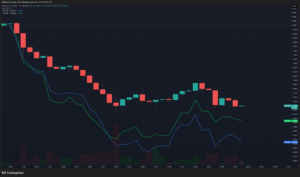
Turning to the cryptocurrency market, Bitcoin is garnering keen attention as traders speculate on its performance amid these economic conditions. Experts are cautiously optimistic about Bitcoin’s long-term potential, especially with technical analysis indicating a bullish trend. Currently, Bitcoin is trading above its 20 and 50-week moving averages, which typically signals sustained bullish momentum. Moreover, the On-Balance Volume (OBV) indicator has risen past its December 2025 high, suggesting healthy buying activity, which aligns with an overall positive market sentiment.
Adding to this bullish outlook, the Chaikin Money Flow (CMF) has exceeded the +0.05 mark, indicating strong capital inflows into Bitcoin. This momentum could lead Bitcoin to reach or even surpass its previous high of $104.4k, which may signal a significant rally towards the much-speculated $200k mark. Traders are particularly analyzing key demand zones, such as the fair value gap between $98k and $100.7k, which has recently been tested, helping to shape expectations for future price action.
Navigating the Risks: Market Volatility Ahead
While the prospects for Bitcoin seem promising, potential risks loom overhead. An important threshold to watch is the daily price action; a close below $106.5k could initiate a downward trend towards the $100k-$102k range. Such a move would signal waning momentum and could result in increased selling pressure among investors eager to capitalize on recent gains. As a result, focus on imminent trading strategies is essential for traders seeking to navigate these waters safely amid potential volatility.
Despite the uncertainties from inflation and external market dynamics, Bitcoin enthusiasts remain hopeful. The overall demand for Bitcoin, coupled with reduced profit-taking behavior, suggests that many holders are betting on much higher future prices. As a decentralized asset, Bitcoin continues to attract attention as an alternative investment, particularly for those who perceive it as a hedge against inflation, especially in times like these when traditional assets may face downward pressures.
Conclusion: Assessing Opportunities in Cryptocurrency and Beyond
Ultimately, the current market dynamics shape a fascinating landscape for both traditional finance and cryptocurrency. U.S. inflation has recently shown mild signs of easing, but the Federal Reserve’s reticence to lower interest rates keeps the economic environment intriguing. Bitcoin’s positive technical indicators suggest that it could significantly rally in the coming months, yet the potential for volatility remains real. Investors must remain vigilant, weighing the risks and opportunities inherent in both traditional markets and emerging assets like Bitcoin.
The ongoing evolution of Bitcoin as both a speculative asset and a potential store of value underscores its relevance in modern investment portfolios. As traders and investors continue to analyze each piece of economic news, including inflation statistics, the ability to adapt rapidly to changing market conditions will determine success. In summary, the interplay between inflation reports, market responses, and technical analysis will remain critical as we advance into the latter half of the year.
For those engaging in cryptocurrency investments, especially with Bitcoin, ongoing diligence and insight into market movements will be paramount in navigating this rapidly evolving landscape. As always, potential investors should carry out thorough research and consider consulting with financial experts before making any significant investment decisions.