




The Evolving Landscape of Bitcoin Mining: Challenges and Strategies for Success
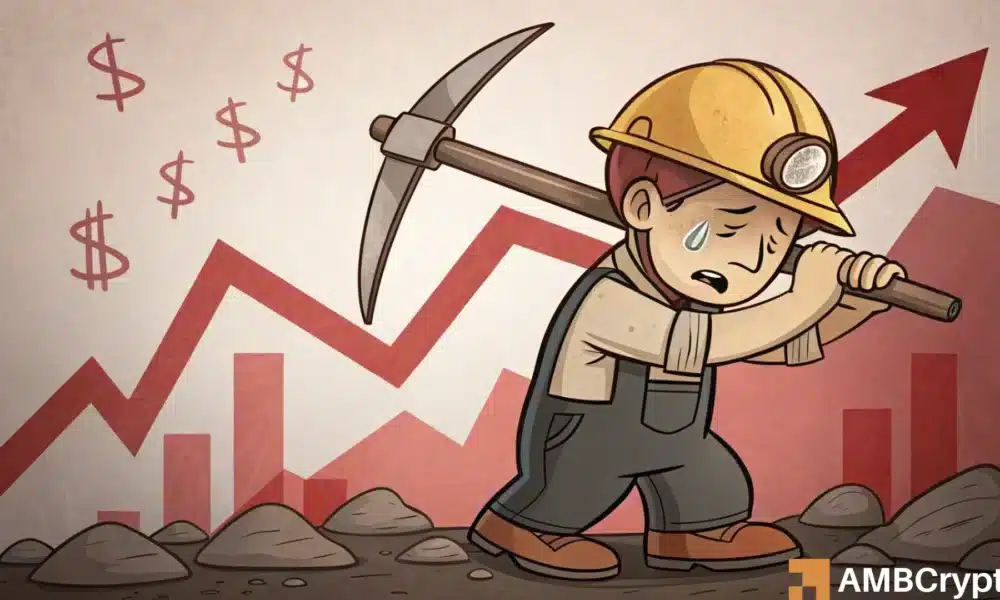
Bitcoin mining is facing a complex landscape marked by fluctuating difficulties and rising operational costs. As of June, Bitcoin’s mining difficulty saw a slight decline to 126.4 trillion from an all-time high, indicating the growing challenges miners face. The mining industry has entered a pivotal phase, where smaller miners are struggling to remain competitive due to increasing hashrates and costs, while publicly traded mining companies are redefining strategies to secure their long-term viability.
Understanding Bitcoin Mining Difficulties
Recently, Bitcoin’s mining difficulty decreased slightly, yet it remains nearly at its historical peak. In particular, the April 2024 halving significantly cut the block reward from 6.25 BTC to just 3.125 BTC, leaving many miners grappling for profitability. This reduction in rewards, coupled with soaring energy costs and infrastructure expenses, has pushed many smaller miners towards the edge. The escalating hashrates across the Bitcoin network, which recently exceeded 1 zetahash per second, have intensified competition, making it increasingly challenging for smaller and independent miners to maintain sustainable operations.
The Impact of Rising Costs
The Bitcoin mining ecosystem is under significant economic pressure. With Bitcoin’s price hovering around $105,000, one would expect lucrative opportunities. However, many miners are discovering that profitability remains elusive due to increased operational costs. From electricity expenses to the essential infrastructure required for mining operations, the financial burden is mounting. The rising difficulty of mining compounded by heightened hashrates creates an environment where only the most efficient miners can thrive. For smaller miners lacking the resources that larger corporations have, survival is becoming increasingly compromised.
Public Miners Surge Ahead
While smaller mining operations struggle, public companies such as Marathon Digital and CleanSpark are strategically expanding their footprints in the market. Marathon Digital reported a 35% increase in production in May, mining 950 BTC, despite the vicissitudes of market volatility. CleanSpark followed suit with a 9% increase month-over-month, producing 694 BTC in the same period. It is evident that these larger organizations are leveraging their operational scale and technological advancements to navigate the challenging environment more effectively. Their aggressive strategies stand in stark contrast to the struggles faced by smaller miners, who are trying to adapt to these new realities.
Strategic Hoarding of Bitcoin
A noteworthy trend is emerging among public miners: the strategic accumulation of Bitcoin. Companies like Marathon Digital are now hoarding significant amounts of BTC, with current holdings over 49,000 BTC—reportedly, they sold none in May. Similarly, CleanSpark has amassed more than 12,502 BTC. This behavior signals a shift in corporate strategy toward long-term holding, reflecting confidence in Bitcoin’s future. By storing their Bitcoin rather than liquidating it for cash, these companies align with Bitcoin’s core monetary ethos, viewing it as a store of value rather than just a medium for immediate profit.
The Future of Bitcoin Mining
Looking ahead, the Bitcoin mining landscape is poised for significant changes. As public companies continue to ramp up their operations and accumulate Bitcoin, their market influence will grow, potentially reshaping pricing dynamics and market strategies. Smaller miners may need to adopt innovative solutions or find ways to pool resources to remain competitive. The increasing operational costs and looming difficulties indicate that the coming years will be critical for survival in the mining sector, with a strong focus on efficiency and strategic growth necessary for any miner planning to remain relevant.
Conclusion: Adapting to New Challenges
In conclusion, the Bitcoin mining sector is facing a pivotal moment characterized by economic pressures and shifting strategies. Although small miners are finding it increasingly difficult to navigate these challenges, public entities are showcasing resilience through expansion and strategic hoarding. As the industry continues to evolve, miners of all sizes will need to adapt to the new economic realities that Bitcoin’s network presents. The ongoing dialogue between rising hashrates, operational costs, and long-term holding strategies will shape the future of Bitcoin mining, presenting both opportunities and challenges for participants in this dynamic landscape.