



Understanding Rising Electricity Bills: The Real Culprit Behind energy Costs
Across the United States, residents are growing increasingly alarmed by the surge in electricity bills. From bustling tech hubs in Northern Virginia to quaint towns in Texas, community members are rallying at local meetings to voice their concerns about the establishment of new data centers. Many speculate that this digital economy is draining their wallets, prompting politicians to propose new regulations and taxes targeting energy-intensive industries. However, this scrutiny often misplaces blame, particularly on Bitcoin (BTC), while failing to recognize the true pressure on energy grids from rapidly expanding AI data centers.
Misplaced Blame: The Bitcoin Misunderstanding
The public outcry against soaring electricity prices often focuses on Bitcoin mining, a sector that many believe is harming their wallets. This anger is frequently fueled by misconceptions and a lack of understanding about how cryptocurrencies operate. According to crypto investment firm Paradigm, Bitcoin is an easy target due to its unpopularity and complexity. Importantly, Bitcoin’s energy usage is vastly different from that of AI, making it a misdiagnosis to target this sector in hopes of alleviating energy costs. Policymakers are encouraged to view Bitcoin mining not as a harmful industry, but as a potential resource to help balance energy consumption.
Perception vs. Reality: The Data on Energy Consumption
Notably, several political figures and environmental advocates have pointed fingers at crypto mining as the root cause of elevated electricity costs, even going as far as equating Bitcoin’s energy consumption to that of entire nations. However, empirical data presents a contrasting view. Bitcoin accounts for only about 0.23% of the world’s electricity consumption and contributes approximately 0.08% of global emissions, which is minimal when compared to other industries. In contrast, energy consumption from AI data centers is projected to double or even triple by 2028, indicating a much larger demand for power that risks compounding existing energy issues.
Bitcoin vs. AI: Strains on the Grid
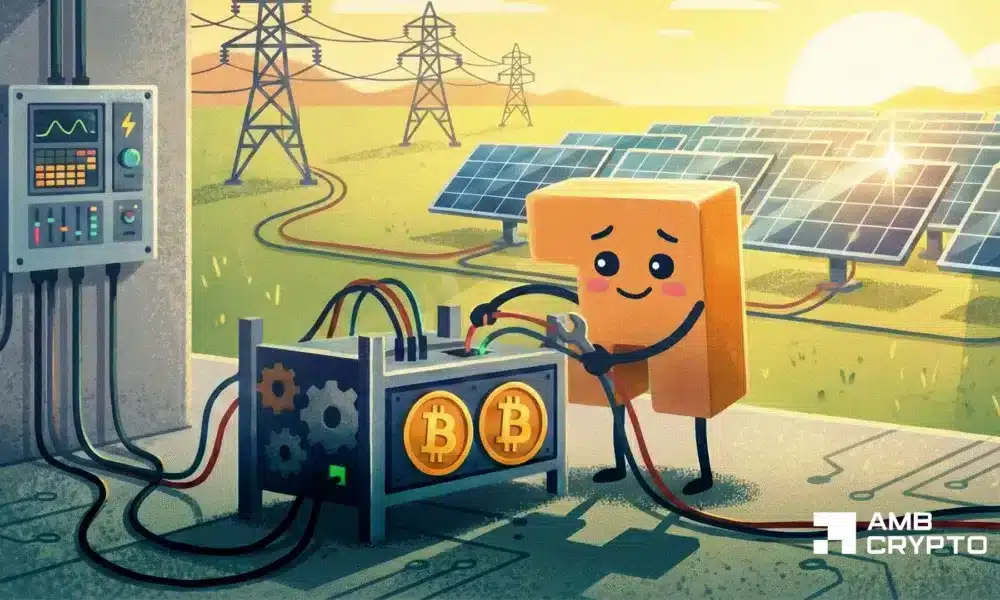
The fundamental distinction between Bitcoin mining and AI data centers lies in the energy flexibility each offers. AI centers demand a consistent supply of power, making them incapable of handling outages, whereas Bitcoin miners actively seek out and utilize the cheapest electricity. They can easily power down when the cost of electricity rises, which aligns with their operational strategy of mining primarily during off-peak hours. Interestingly, this ability to shut down during high-demand periods led to a remarkable 74% reduction in grid support costs in Texas within a year, showcasing how Bitcoin mining can actually serve as a support mechanism for the energy grid.
Positive Trends in Bitcoin Mining
Following a significant downturn in mining revenue at the end of January, the Bitcoin mining sector has displayed signs of recovery as February progresses. While there was a brief drop in revenue over a 24-hour window—from $43.00 on February 15th to $37.60 on February 16th—the overall trend remains upward. In the long term, the mining difficulty has been consistently declining since it hit a peak in November 2025. This decline in operational difficulty means that miners require less energy to maintain their operations, effectively reducing the pressure on the power grid during this period.
The Future Outlook: Stabilizing the Grid
Rather than intensifying energy demand, Bitcoin miners might play a pivotal role in stabilizing the grid. By powering down or redirecting their energy consumption towards support systems for AI infrastructure—an area driving electricity costs up—miners can actually serve the grid’s interests. If policymakers were to impose strict regulations on Bitcoin mining, they may inadvertently jeopardize one of the few sectors that actively contribute to balancing energy supply and demand.
Conclusion: Rethinking Energy Strategies
In summary, while AI data centers exert a relentless demand for energy, Bitcoin mining demonstrates greater flexibility and adaptability. The interplay between these two sectors highlights the necessity for informed regulatory strategies. Rather than targeting Bitcoin with punitive regulations, decision-makers should recognize its potential to aid in energy management, potentially leading to a more balanced and cost-effective energy landscape for all residents. Ensuring that this balance is acknowledged can pave the way for a sustainable digital economy without unduly burdening the average consumer.