




Understanding the Impact of the Iran War on Financial Markets and Crypto: A Q2 Outlook
The ongoing conflict in Iran has significantly influenced global markets over the past month, leading to a dramatic shift in investor sentiment and market dynamics. With oil prices skyrocketing by over 50% and U.S. Treasury yields climbing approximately 13%, investors are beginning to recalibrate their expectations as we enter the second quarter (Q2). Simultaneously, gold prices have witnessed a notable decline of around 15%, while the cryptocurrency market seems to be experiencing a minor correction of merely 0.5%. Although this might appear relatively subdued in the context of broader market volatility, it raises the question: Can the resilience of risk assets withstand the mounting pressures that lie ahead?
Rate Hike Sentiments Shift
According to insights from The Kobeissi Letter, the Federal Reserve has pivoted from expectations of rate cuts until December 2027 to a surprising 51% probability of a rate hike by March 2027. This shift underscores the rapid changes in macroeconomic conditions and suggests that financial markets are bracing for tighter monetary policy. The potential for increased Consumer Price Index (CPI) inflation, projected to rise to 3.5%—significantly exceeding the Fed’s long-term target—further complicates the narrative for crypto assets. Traditionally viewed as hedges against inflation, the ability of cryptocurrencies to maintain this status is being called into question as market sentiment rapidly evolves, reflecting heightened uncertainty.
Historic Trends vs. Current Dynamics
As we dive deeper into Q2, it’s worth comparing the anticipated performance of Bitcoin (BTC) with its historical track record. In contrast to Q1’s impressive average return of 45%, BTC is projected to yield closer to 28% in Q2. Historically, cryptocurrencies have shown a trend of softer performance in the second quarter following a stronger first quarter. However, the cycle in 2025 broke this mold, recording a 30% gain in Q2 after a -12% correction in Q1. Faced with a nearly 25% correction in the previous quarter, the current environment begs the question: Are we primed for a repeat of the 2025 recovery, or are we staring down more significant challenges?
Market Sentiment and Investor Behavior
Current market sentiment clearly indicates a shift toward increased caution among investors. The Crypto Fear & Greed Index has plummeted by 10 points in less than a week, now teetering on the edge of "extreme" fear territory. This changing sentiment is manifesting in on-chain interactions as well. Data reveals that over the last 24 hours, approximately 21,700 BTC from short-term holders were transferred to exchanges and sold at a loss. This level of panic selling suggests a growing unease amid weakening institutional demand, hinting that the current situation is more than a mere routine correction.
Defensive Moves in Capital Flows
The current market climate is also characterized by a defensive rotation of capital, with savvy investors reducing their exposure as fear resurfaces. Historical trends suggest that rising interest rate expectations do not favor cryptocurrency performance, creating an environment that may be detrimental to the long-term health of the market. Volume data and reduced institutional participation imply that capital is moving away from crypto assets, thereby undermining the strength needed for a potential rally. Consequently, the chances of witnessing a recovery like that of 2025 appear increasingly slim.
Conclusion: Navigating Uncertainty Ahead
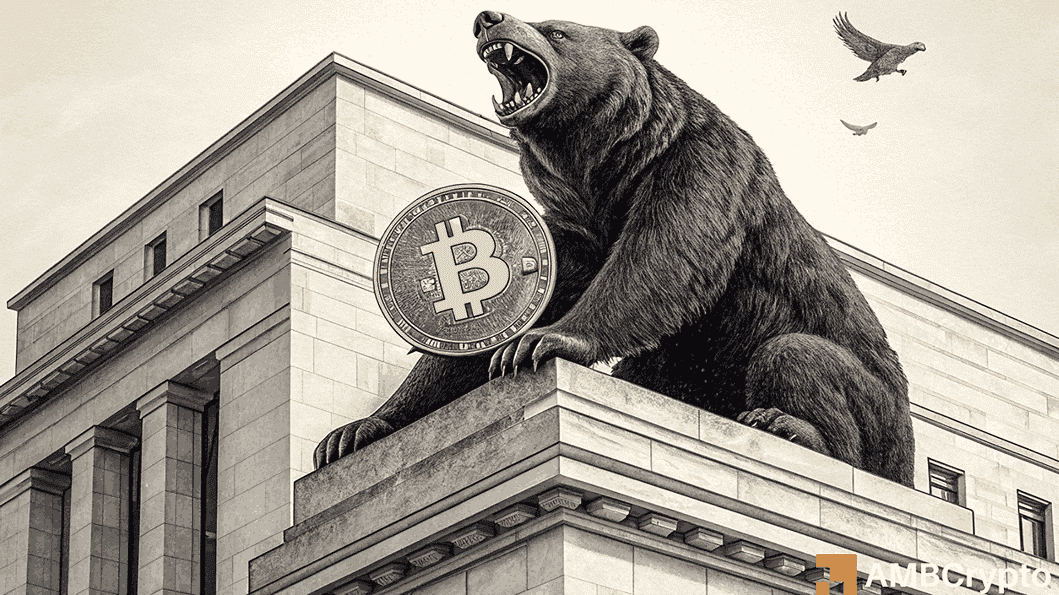
As we look toward Q2, various indicators suggest a market wrestling with uncertainty, largely driven by inflationary pressures, an evolving interest rate landscape, and shifting investor sentiment. Panic selling, deteriorating market conditions, and weak institutional demand all suggest that the current correction may be transitioning toward an early bear phase rather than a healthy market reset. Ultimately, both investors and cryptocurrency advocates must remain vigilant as these dynamics unfold, adapting strategies to navigate the complexities of an increasingly turbulent financial environment. As the situation continues to evolve, keeping a close eye on macroeconomic indicators will be critical to understanding the trajectory of both traditional and crypto markets.