



Understanding the Significance of BNB Chain’s Recent Fee Reductions
The Binance Smart Chain (BSC) has recently made headlines by lowering its base transaction fee to a mere 0.05 Gwei, bringing transaction costs down to approximately $0.005. This strategic move has positioned BSC as one of the most affordable Layer 1 (L1) blockchains available today. As a result, the network has experienced a surge in trader adoption and on-chain activity. With BSC processing over 1.5 billion transactions in Q3, a staggering contrast to Ethereum’s 144.5 million, it’s evident that traders are increasingly favoring BSC for its cost-effective solutions.
The target for BNB, BSC’s native token, seems poised for growth as core developers aim for even deeper gas cuts, indicating that BNB will remain a focal point in Q4. Multiple gas fee reductions since April 2024 demonstrate BSC’s commitment to maintaining a competitive edge in the ever-evolving blockchain landscape.
BSC’s Transaction Fee Innovations
As BSC adopts the new minimum gas price of 0.05 Gwei, it marks the third notable fee cut in recent months after rates previously dropped from 3 Gwei to 1 Gwei and then to 0.1 Gwei. This progressive approach has led to a 75% decrease in median fees, resulting in a phenomenal 140% surge in daily transactions. Furthermore, trading activities, particularly decentralized exchanges (DEX), saw a revival, contributing significantly to BSC’s overall transaction volume.
In the wake of such aggressive gas cuts, it’s clear that traders are responding positively, with swaps increasing from 20% to 67% of total transactions. The renewed enthusiasm for BSC corresponds with DEX volumes rising to $7.05 billion, matching levels last seen in 2021. Such metrics underscore why BSC’s gas fee adjustments are not merely tactical but fundamental to the platform’s growth and adoption.
The Competitive Landscape of Blockchains
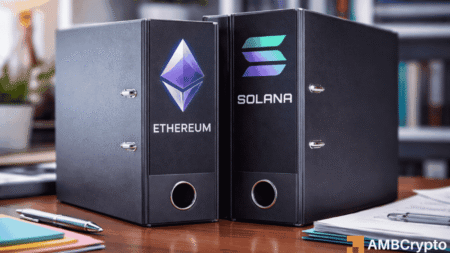
BSC’s low transaction fees have made it a preferred choice among traders, but it is crucial to recognize that it is not alone in the crowded blockchain field. Solana (SOL) maintains its own competitive stance with an impressive transaction count of 28.5 billion, showcasing its high throughput capability. This dynamic between different networks highlights the need for continuous innovation and improvement in transaction fees and execution speeds to capture trader interest.
BSC is eager to become a leading player in this environment. By introducing minimal fees, it appeals to a broader spectrum of users, particularly those focused on high-frequency trading, which often depends on low transaction costs to be feasible and profitable.
The Road Ahead for BNB
With BSC’s transaction fees significantly reduced, the question arises: what does the future hold for BNB in Q4 and beyond? Recent investment patterns hint at optimism, especially given that BNB experienced over 50% returns in the last quarter, breaking all-time highs three times to reach $1,083. Such performance not only attracts retail traders but also invites institutional interest as Web3 technologies gain traction across various sectors.
BSC developers are keenly aware of these market shifts and have made it clear that this is just the beginning. Their stated goal is to target reductions of over 90% from historical fees, making BSC an even more attractive trading venue compared to Ethereum and Solana. This ambition could position BNB for a strong rally, turning the spotlight on its capabilities in the competitive blockchain ecosystem.
Impact of Institutional Interest
As BSC continues to enhance its ecosystem while minimizing transaction costs, it has opened the door for wider institutional adoption. With major players recognizing the potential of blockchain technology, particularly in decentralized finance (DeFi) and smart contracts, BSC is more equipped to accommodate this new wave of investment. Low fees can be a compelling selling point for institutions contemplating entry into the crypto space, as they seek solutions that can maximize their returns on investment.
This evolving landscape presents a mutually beneficial scenario where institutional liquidity could further enhance BSC’s volumes and activity levels. As BSC solidifies its place in the crypto community, it becomes a critical player in shaping the future of blockchain technology.
Conclusion
In summary, BSC’s latest fee reduction to 0.05 Gwei is a strategic maneuver that is already yielding significant results for the network. By promoting low-cost transactions and fostering high-frequency trading, BSC is set to compete aggressively with prominent players like Ethereum and Solana. The potential for future gas cuts coupled with institutional interest indicates a promising outlook for BNB.
As the landscape evolves with new developments, traders and investors alike should keep a close eye on BSC and its ongoing initiatives. The proactive measures being implemented by BSC’s core developers may just redefine the standards of blockchain efficiency and cost-effectiveness, presenting a unique opportunity for growth in the coming quarters.