

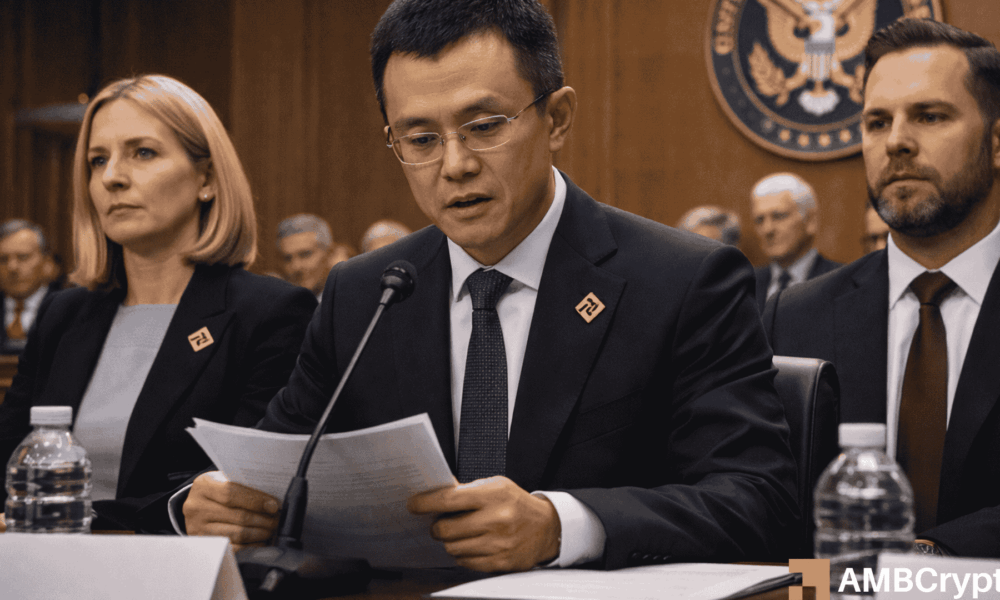

Binance Pushes Back Against Senate Allegations of Sanction Violations
The cryptocurrency exchange Binance has firmly rejected the claims made by U.S. lawmakers that it facilitated over $1.7 billion in cryptocurrency transfers linked to Iranian networks. This rebuttal comes in response to a Senate inquiry led by Senator Richard Blumenthal, which utilized investigative reporting from prominent media outlets such as the Wall Street Journal and The New York Times. The focus of the Senate’s inquiry rests on allegations of sanctions violations and potential money laundering risks tied to Binance’s platform.
Senate Inquiry and Allegations of Large Transfers
The inquiry, initiated on February 24, highlighted reports indicating that intermediaries associated with Binance, specifically companies named Hexa Whale and Blessed Trust, may have acted as conduits for the significant cryptocurrency transfers attributed to Iranian entities. As noted in Senator Blumenthal’s letter, these transactions reportedly involved over $1.7 billion that allegedly occurred within two years, potentially linked to the Islamic Revolutionary Guard Corps and an oil trade network circumventing sanctions imposed on Russia. The Senate investigation also raised apprehensions over compliance issues, particularly the dismissal of certain internal investigators who had raised red flags regarding these transfers.
Binance’s Defense of Its Compliance Measures
In a detailed response dated March 6, Binance deemed the allegations "demonstrably false" and asserted that the claims were rooted in misrepresented facts. The exchange emphasized its adherence to rigorous compliance standards, including know-your-customer (KYC) requirements and sanctions screenings. Binance maintains that it actively prohibits users from Iran from accessing its platform. In line with its commitment to compliance, the firm initiated its own investigations into Hexa Whale and Blessed Trust after being approached by law enforcement. Following these internal reviews, Hexa Whale was removed from the platform in August 2025, while Blessed Trust was offboarded in January 2026.
Internal Investigations and Compliance Infrastructure
In its defense, Binance stated that it has never conducted direct transactions with Iran-based entities. The exchange emphasized the robustness of its compliance team, which consists of over 1,500 personnel worldwide dedicated to upholding regulatory standards. In 2025 alone, Binance processed more than 71,000 requests from law enforcement agencies and facilitated the seizure of $752 million tied to illicit activities over the past three years. The exchange highlighted a substantial decline in its exposure to wallets linked to illicit transactions, which decreased from 0.284% of total exchange volume in early 2024 to just 0.009% by mid-2025.
Ongoing Scrutiny of Cryptocurrency Platforms
The pushback from Binance against the Senate’s allegations comes amid broader scrutiny of cryptocurrency platforms, particularly concerning their effectiveness in enforcing international sanctions. In 2023, Binance and its founder, Changpeng Zhao, faced legal ramifications, including a guilty plea for violations related to anti-money laundering and sanctions controls, culminating in a substantial settlement with the U.S. government. Zhao served a four-month prison sentence but was later pardoned. This situation illustrates the increasing pressure on crypto exchanges to bolster their compliance measures as lawmakers explore avenues to prevent digital assets from being used to sidestep international regulations.
The Landscape of Compliance and Regulatory Challenges
As the cryptocurrency landscape evolves, the challenges of compliance and regulatory oversight are becoming increasingly complex. The Binance incident serves as a case study, reflecting broader concerns among regulators regarding whether cryptocurrency exchanges are adequately equipped to mitigate the risks associated with sanctions evasion and money laundering. The Senate inquiry emphasizes the ongoing tension between innovation in the crypto space and the necessity for comprehensive regulatory frameworks that can effectively address these risks while allowing for the growth of digital assets.
Conclusion: The Path Forward for Binance and Crypto Exchanges
In summary, Binance’s rejection of the Senate’s allegations underlines a robust defense mechanism against claims regarding sanctions violations. The response serves not only to protect the company’s reputation but also sheds light on the pressing issues of regulatory compliance within the cryptocurrency industry. As scrutiny continues to mount, exchanges like Binance will need to ensure they adapt to ever-evolving regulatory landscapes to uphold both their operational integrity and consumer trust in digital currencies. The outcomes of such inquiries and subsequent regulatory actions will significantly shape the cryptocurrency environment in the years to come.