



Balancer’s Major Overhaul: A Shift to Revenue-Driven Sustainability
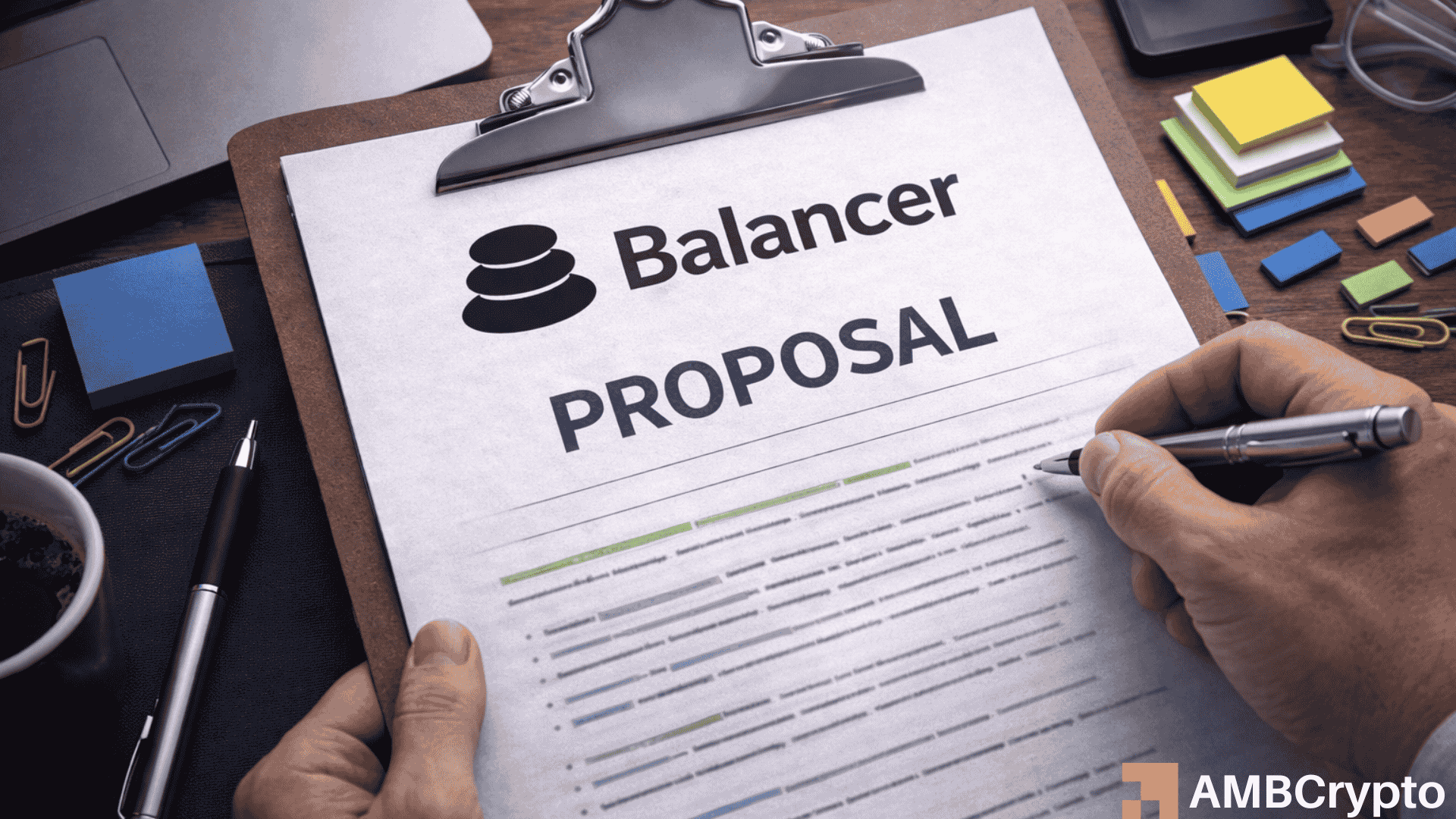
In a pivotal move for the decentralized finance (DeFi) landscape, Balancer has unveiled plans for a significant restructuring of its protocol and operations. This strategic overhaul signifies a departure from reliance on incentive-driven growth, particularly in light of a recent exploit and faltering economic performance. Published on March 23, two governance proposals detail a comprehensive plan aimed at redefining Balancer’s tokenomics and achieving long-term sustainability. By focusing on revenue generation and cost reduction, this initiative represents a significant shift in Balancer’s operational model.
Immediate Changes to Tokenomics
At the heart of Balancer’s proposed changes is a total revamp of its BAL tokenomics. The protocol plans to halt all BAL emissions immediately, effectively ending its liquidity incentive model that has been a staple of its growth strategy. In tandem with this, Balancer intends to phase out veBAL, which has historically offered fee rewards and economic benefits linked to locked tokens. By routing 100% of protocol fees to the DAO Treasury—rather than dividing them among incentives, partners, and veBAL holders—the proposal aims to consolidate revenue and refocus the protocol’s long-term economic health.
The rationale behind these changes lies in the current economic model, which Balancer claims fosters "circular economics." This paradigm not only incurs costs exceeding generated revenue but also dilutes existing token holders. Through this updated model, the DAO anticipates a substantial increase in annual revenue, projecting an ascent from $290K to $1.22M by capturing all protocol fees centrally.
Addressing Dilution with Buyback and Burn Initiatives
In an effort to tackle long-term token dilution, the DAO proposes a buyback and burn program funded by the treasury. Up to 35% of treasury holdings—approximately $3.6 million—would be earmarked for repurchasing BAL tokens at their net asset value (NAV). Should this initiative be fully realized, it could potentially eliminate around 35% of the circulating supply. This action not only provides liquidity for holders wishing to exit but also mitigates the supply overhang associated with years of emissions.
By adopting this buyback and burn strategy, Balancer is looking to stabilize its token economy and protect the value of existing holders. This move reflects a commitment to addressing market dynamics in a volatile space, ensuring that stakeholders retain confidence in the protocol’s economic structure.
Focus on Revenue-Generating Products
As part of this strategic pivot, Balancer will concentrate on expanding its portfolio of revenue-generating products, notably involving boosted pools and its innovative reCLAMM system. The protocol plans to conduct a thorough review of its deployments across nine different chains. Continued support will be focused on networks that display meaningful revenue generation, including Ethereum, Arbitrum, Base, and Gnosis.
Deployments that fail to contribute to revenue generation may face depreciation to streamline operational overhead and ensure efficient resource allocation. This sharpened focus on profitability is intended to position Balancer more favorably within the broader DeFi ecosystem, attracting users and investments less reliant on incentivized models.
Risks and Challenges Ahead
Despite the promise of these structural changes, Balancer has acknowledged potential risks associated with the removal of incentives. The elimination of liquidity rewards could lead to a decline in total value locked (TVL), as current liquidity providers who rely on rewards might exit the platform. Furthermore, the reduced reliance on veBAL governance could centralize decision-making among a smaller core team, raising concerns about governance integrity and decentralization.
These risks underscore the delicate balance Balancer will need to maintain as it navigates its transition. While the potential for increased revenue and streamlined operations presents exciting possibilities, the immediate effects on user engagement and governance dynamics warrant close observation.
A Broader Evolution in the DeFi Landscape
The restructuring of Balancer reflects a significant trend across the DeFi sector, where protocols are increasingly re-evaluating growth models that overly depend on incentives and token emissions. Balancer’s approach is emblematic of a wider movement towards sustainable financial practices that prioritize organic revenue, operational efficiency, and capital preservation.
As other DeFi platforms reconsider their incentive-heavy strategies, Balancer stands at the forefront of this evolution, aiming to solidify its market position while promoting a more robust and sustainable economic framework.
Conclusion: A New Era for Balancer
In summary, Balancer is set to undergo a profound transformation focused on revamping its tokenomics and operational framework. By eliminating emissions and adopting a revenue-driven approach, the protocol seeks to enhance its long-term sustainability and economic viability. This overhaul not only reflects Balancer’s commitment to responding to current market challenges but also signifies a significant shift within the DeFi space toward achieving durable growth. As the protocol embarks on this new path, stakeholders will be keenly watching its efforts to balance profitability with a trustful governance structure in a rapidly changing industry.