


XRP: Resilience Amid Price Fluctuations
XRP, recognized as a frontrunner in international settlement systems, has demonstrated ongoing strength in its fundamentals, even as price dynamics faced challenges. February 18, 2026, was not an ordinary date; it felt electrified with advancements in the XRP ecosystem. Despite experiencing a pullback earlier in February, XRP’s foundational developments have continued to expand significantly, particularly with the ongoing real-world asset (RWA) growth on the XRP Ledger (XRPL). This evolving landscape raises crucial questions about market sentiment and the deeper structural changes underway that might be overlooked.
Legislative Developments in Arizona
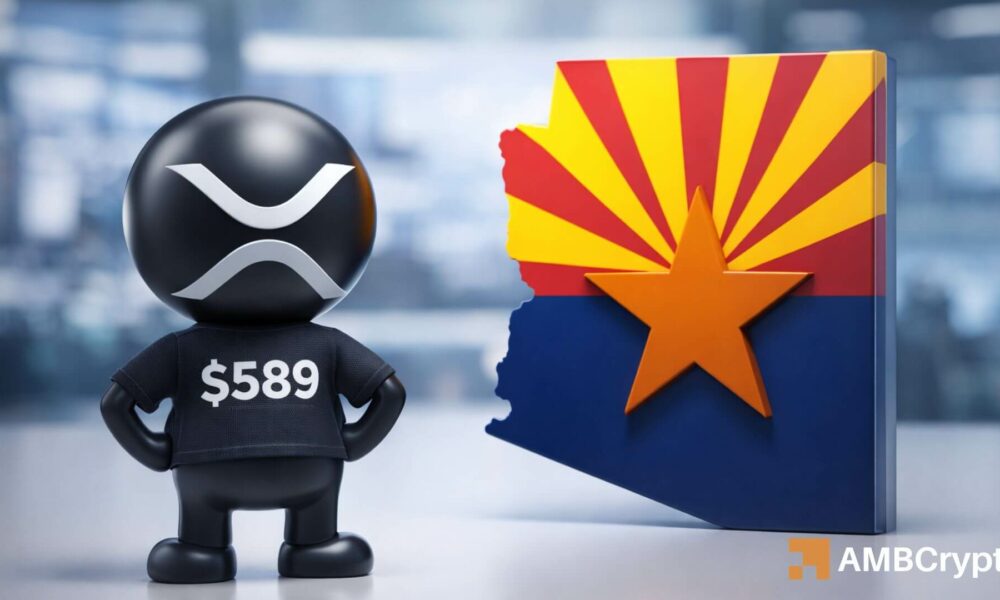
On February 16, 2026, Arizona’s Senate Finance Committee advanced Bill SB1649, initiated by Senator Finchem, facilitating the creation of a Digital Assets Strategic Reserve Fund. The bill, which passed with a 4-2 vote, explicitly listed Ripple’s XRP alongside Bitcoin and other digital assets. This inclusion is pivotal, marking a formal acknowledgment by the state of Arizona of XRP’s role within a managed reserve structure. By establishing this framework, Arizona permits the State Treasurer to invest and potentially loan digital assets, indicating serious institutional intent toward cryptocurrency integration.
The bill mandates strict custody standards involving qualified custodians and secure environments. This legislative progress should not be taken lightly; such provisions typically arise from significant regulatory discussions, suggesting that Arizona is considering digital assets as part of its long-term financial strategy. The partnership of XRP with mainstream cryptocurrencies at the state level implies a rising acceptance and an established infrastructure that could encourage further adoption.
Growth in Tokenized Real-World Assets
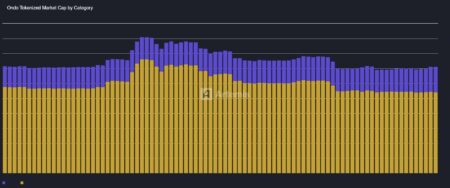
The XRPL has seen a remarkable surge in tokenized real-world assets, with a staggering increase of $354 million in just 30 days. This uptick brought the total value of RWAs on the ledger to $1.874 billion, positioning XRPL ahead of Solana, which holds a $1.7 billion footprint. Even with price volatility, the continued momentum in tokenization reinforces the idea that XRP is providing solid infrastructure for asset management and transfer. In comparison, BNB Chain sits at $2.3 billion, leaving a notable gap that XRP aims to bridge.
The ongoing growth of tokenized assets underlines a tremendous potential for XRPL to cater to a broad array of applications beyond speculative trading. This contradicts prevailing bearish narratives regarding XRP’s market performance and emphasizes the relevance of infrastructural development in the crypto space. It’s clear that fundamental advancements could play a pivotal role in reshaping investor perceptions over time.
Challenging Skepticism with State Support
For years, criticisms aimed at the idea of XRP reaching significant price targets, like the oft-mocked $589 prophecy, have pervaded the discourse in the crypto community. However, Arizona’s legislative endorsement and the surge in RWA flows serve to challenge these doubters. The ongoing inflow into XRP ETFs and state-level recognition indicates a potential convergence of narratives supporting future growth.
Such developments suggest that the market sentiment may be gradually shifting, focusing more on the underlying technological and regulatory frameworks rather than just immediate market prices. Though erratic price fluctuations are a part of the cryptocurrency landscape, the momentum that XRP is gaining in terms of real estate and state support cannot be ignored. The overall optics seem to be aligning more favorably for XRP enthusiasts.
Structural Momentum Beyond Market Prices
The advancements in Arizona’s legislation and the exponential increase in tokenized assets signal a robust structural momentum that transcends current price fluctuations. Despite ongoing skepticism within certain sectors of the crypto community, there’s a transformative energy driving the conversation around XRP. It represents more than just a currency; it’s evolving into a vital component of monetary systems on a state level.
While high-profile proclamations regarding XRP’s potential price points like $589 may have seemed like fantasies in the past, current trends suggest that ongoing institutional interest and legislative support could lead to a more sustainable adoption path. The future of XRP may very well depend not just on speculative trading but on its technological evolution and the institutional acceptance driven by legislative frameworks.
Conclusion: A New Phase for XRP
The interplay between Arizona’s legislative actions and XRPL’s substantial growth in tokenized real-world assets underscores a new phase for XRP, moving beyond mere price speculation. It’s evident that structural and regulatory developments signal a profound shift towards acknowledging the relevance of digital assets in mainstream finance. The pathway for XRP’s potential journey is still mired in volatility, yet the recent advancements provide a promising outlook.
Whether XRP’s journey leads to lofty price expectations or stabilizes as a cornerstone of digital finance will depend largely on sustained adoption frameworks and investor confidence. As the market continues to evolve, XRP’s fundamental strength offers a compelling case for long-term investment, especially as it emerges favorably from the shadows of market volatility. The next significant strides in its journey will hinge on collective sentiment, regulatory alignment, and infrastructural robustness.