



The Controversial Future of KRW-Based Stablecoins in South Korea
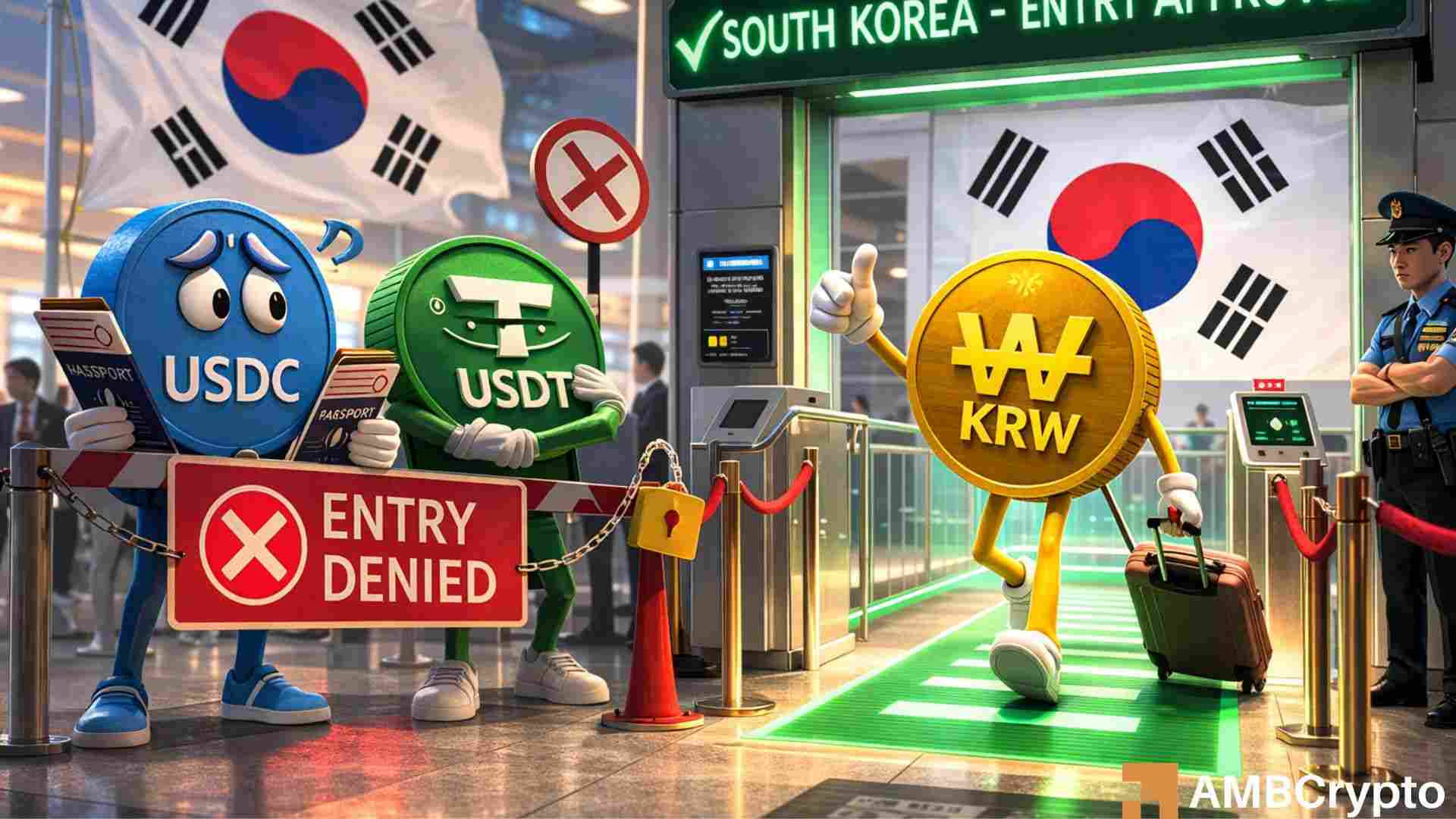
South Korea’s Financial Services Commission (FSC) has stirred significant debate by proposing to exclude U.S. dollar-based stablecoins from corporate trading. The FSC aims to promote KRW (Korean Won)-based stablecoins to bolster monetary sovereignty and minimize capital outflows. Despite these intentions, experts are divided on the potential outcomes of this regulation, with some predicting it may yield opposite results.
The Case Against KRW Stablecoins
Research Lead Jinsol Bok of Four Pillars cautions that KRW-based stablecoins may actually accelerate capital outflows instead of preventing them. Bok points out that this issue isn’t unique to South Korea; it’s a common concern for countries outside the U.S., where eliminating foreign exchange controls could lead to an exodus of capital. His analysis aligns with projections from Standard Chartered Bank, which estimates that around $1 trillion could flee emerging markets into stablecoins by 2028 as investors seek refuge in dollar-pegged assets against local currency vulnerabilities.
Existing Yield Opportunities
Bok also highlights that many South Korean financial players like Kakao Pay already offer yield on digital balances, reducing the incentive for users to adopt KRW stablecoins. As a result, the demand for these local stablecoins may be limited. The primary opportunity for KRW stablecoins may lie in faster cross-border settlement and reduced fees, rather than widespread retail adoption.
Contrasting Perspectives on Adoption
In stark contrast to Bok’s views, DWF Ventures embraces the potential of KRW stablecoins. The firm argues that with South Korea’s tech-savvy population and 18 million crypto holders, there is a natural inclination toward adopting KRW stablecoins. They also note the existence of the USDT premium and the "Kimchi Premium," which results in crypto assets trading at higher prices on South Korean exchanges. These factors create a compelling case for a KRW stablecoin to facilitate deeper liquidity and diminish the dominance of USD-based stablecoins.
Global Perspectives on Stablecoin Adoption
Bok’s perspective finds some validation in the fact that countries with significant adoption of USD-based stablecoins often have volatile currencies or face severe currency devaluation, such as Nigeria and Iran. Notably, however, several countries with robust banking and digital infrastructures have also embraced stablecoins for cross-border transactions. Asia is a powerhouse in this space, contributing 60% of the global annual stablecoin volume, primarily driven through corridors like China, Hong Kong, and Singapore.
Regulatory Landscape and Future Implications
The FSC is set to finalize and publish comprehensive corporate cryptographic regulations, raising questions about the future usage of USDT and USDC in South Korea. While Bok remains skeptical about the demand for KRW stablecoins, DWF Ventures sees a unique opportunity for these assets to alleviate USD dominance while curbing capital flight.
Conclusion
In summary, the debate around KRW-based stablecoins underscores the complexities of cryptocurrency regulation in South Korea. While analysts like Jinsol Bok highlight the limited demand due to pre-existing payment options and incentives, DWF Ventures champions the potential advantages for liquidity and monetary stability. As the FSC unveils its regulatory framework, the future of KRW stablecoins will offer crucial insights into the evolving landscape of cryptocurrency in South Korea. The coming months will reveal whether the nation’s strategy will effectively reduce reliance on USD stablecoins or inadvertently encourage capital outflows.