


Algorand Foundation Layoffs: Insights and Implications for the Crypto Sector
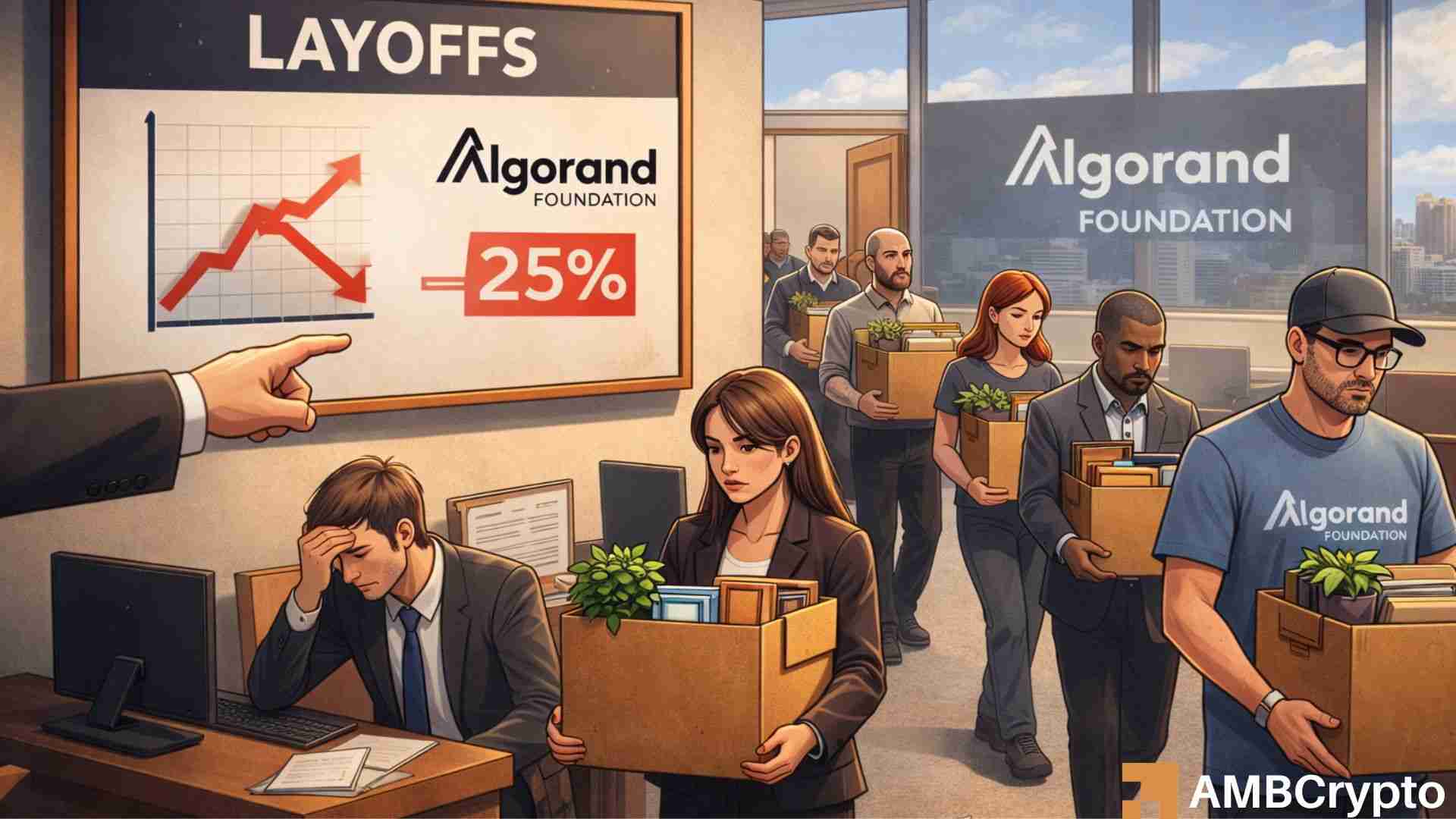
The Algorand Foundation (AF) has recently come under scrutiny following its decision to reduce its workforce by 25%. This significant restructuring is largely attributed to the adverse effects of the ongoing “global macro environment” and a broader downturn in cryptocurrency markets. The AF asserts that this strategic move aims to align resources more efficiently with the long-term goals of the Algorand protocol, which has faced considerable challenges in recent months.
Market Context: Crypto’s Widespread Challenges
The layoffs at the Algorand Foundation are not isolated incidents; they reflect a broader trend within the cryptocurrency industry, where many organizations are grappling with similar financial pressures. For instance, earlier this year, the Hedera Foundation announced redundancies affecting its core functions, resulting in job losses. Additionally, the crypto media landscape is also feeling the strain, highlighted by Blockworks’ decision to downsize its entire newsroom last year. Furthermore, the rise of artificial intelligence (AI) is disrupting employment in the crypto sector. Recently, Crypto.com laid off 12% of its workforce, citing the need to adapt to increasing AI capabilities. These trends point to a significant transformation within the industry, as companies strive to navigate the uncertain future.
Community Reactions: Support and Criticism
In the wake of the layoffs, reactions from the Algorand community have been mixed. While some members expressed sympathy for those affected and acknowledged the difficult reality of job loss, others voiced criticism regarding the foundation’s financial management. One user pointed out that despite the AF spending approximately $100 million last year, it has not seen any meaningful outcomes or growth, questioning the efficacy of its leadership. Moreover, they emphasized concerns regarding liquidity, user engagement, and funding, suggesting that the foundation’s use of macroeconomic factors to justify the layoffs appears disingenuous. Transparency reports indicate that the AF has spent around $12 million as of September 2023, further igniting conversations about its financial strategy amid declining activity.
Algorand’s Performance: A Closer Look at DeFi Activity
Current trends reveal a troubling decline in activity on the Algorand chain, particularly within the decentralized finance (DeFi) sector. Since last year, DeFi activity has plummeted by approximately 50%, dropping from $80 million to below $40 million. As a result, the chain’s fees have remained low, averaging below $50 daily. The sluggish performance raises concerns about Algorand’s ability to attract liquidity and users, complicating its long-term sustainability. With ALGO trading at around $0.088—down by 10% amid a general market downturn—many stakeholders are questioning the foundation’s future prospects.
A Broader Trend: Industry Adaptation and Future Outlook
The layoffs at the Algorand Foundation, along with similar actions across the crypto landscape, highlight a crucial moment of adaptation for the industry. As organizations grapple with declining user engagement and shifts in technology, it has become clear that providers must innovate to meet the evolving demands of their user base. The integration of AI and other emerging technologies presents both challenges and opportunities for crypto firms, necessitating a reevaluation of operational strategies.
Organizations that can pivot quickly while maximizing their long-term vision will likely emerge stronger in the aftermath of this current downturn. For Algorand, aligning resources with strategic goals is essential to regain traction within the competitive blockchain space.
Conclusion: The Path Forward for Algorand
The decision taken by the Algorand Foundation to reduce its workforce reflects the broader challenges facing the cryptocurrency market. As layoffs and restructuring unfold across the industry, it is essential for organizations to remain agile and strategic in navigating these turbulent waters. While the foundation aims to streamline its resources for sustainable growth, it must also confront critical issues such as liquidity, user engagement, and technological advancement to remain relevant. As the crypto landscape continues to evolve, Algorand’s ability to adapt to these external pressures will ultimately determine its future trajectory in the decentralized economy.
In summary, the Algorand Foundation’s layoffs underscore a critical juncture for the crypto industry and highlight the necessity for keen accountability, innovation, and strategic alignment amidst a challenging macroeconomic backdrop.