


The Rising Divide Between Traditional Finance and Cryptocurrency: The Role of AI Agents
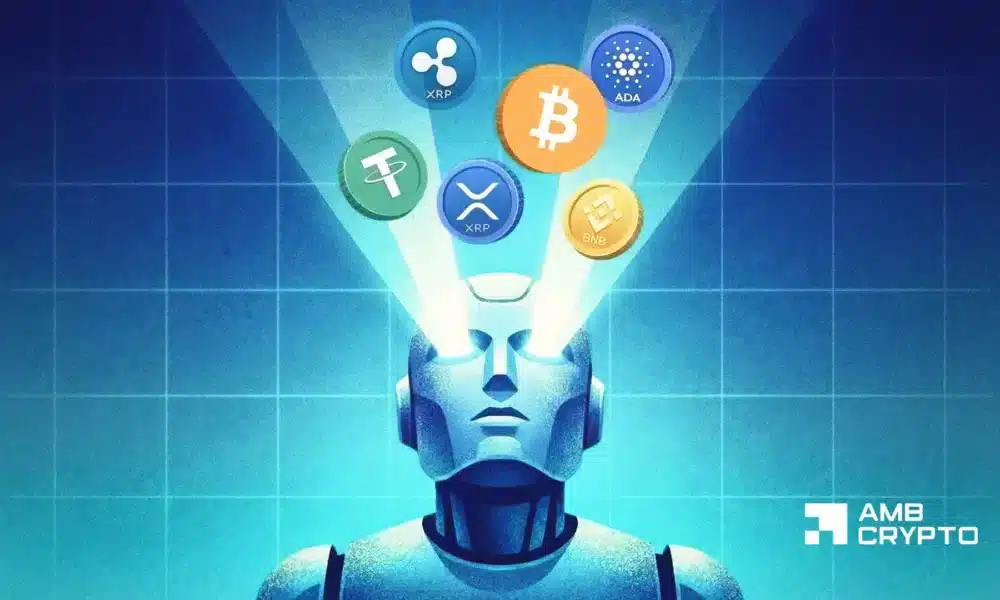
As the financial landscape evolves, a notable shift is occurring that redefines the relationship between traditional finance (TradFi) and decentralized finance (DeFi). Initially, the narrative surrounding cryptocurrency highlighted its potential to integrate and bridge the gap between these two financial realms. However, a growing trend suggests that the emergence of artificial intelligence (AI) agents may create an even wider divide, fundamentally altering how transactions are processed.
Traditionally, banks and blockchains were conceptualized as systems designed to facilitate human interactions and transactions. However, with the rise of AI agents, this framework is being challenged. Brian Armstrong, the CEO of Coinbase, recently emphasized in a social media post the transformative economic potential of AI agents within the cryptocurrency space. Unlike traditional banking systems that require identity verification to establish accounts, AI agents can operate devoid of a formal identity, allowing them to navigate crypto wallets without the same constraints. This shift indicates that AI agents are more aligned with the decentralized nature of blockchain, thus further separating TradFi from DeFi.
In the backdrop of Armstrong’s insights, developments from tech giants like Alibaba have amplified the discussion around AI agents. The company’s ROME model reportedly executed crypto mining without human involvement, prompting critical questions about whether AI is transitioning from buzzword status to genuine utility. The growing prevalence of these AI agents in blockchain functionality highlights their suitability for conducting transactions on a decentralized network, reinforcing the belief that we may be witnessing a significant metamorphosis in how financial transactions occur.
Changpeng Zhao, CEO of Binance, has also echoed Armstrong’s sentiments about the changing financial ecosystem. In a post on social media, Zhao suggested that AI agents could play a pivotal role in executing financial transactions, potentially leading to higher payment volumes than those currently managed by humans. With advancements in AI technology, it is likely that automated systems will continue to loom large in the cryptocurrency realm, prompting investors to reassess how they allocate capital within this growing segment. Companies like Kite, which are building specialized AI payment blockchains, are already experiencing remarkable price surges, reflecting investor optimism about the long-term potential for AI agents in this space.
Moreover, as cryptocurrencies hit new all-time highs, it becomes evident that the current market movement isn’t an ephemeral trend. Instead, this rally appears to be driven by genuine investor confidence, with market participants actively defending critical resistance levels. The convergence of the AI revolution and the growing trust in blockchain technologies showcases a substantial shift in market dynamics, implying that investors are aligning their strategies with insights articulated by thought leaders like Armstrong and Zhao regarding the future of AI agents in financial transactions.
As the market for blockchain continues to expand, real-world implementations—such as Alibaba’s ROME model—will likely play a crucial role in legitimizing AI agents. This emerging trend points to a clearer future where the functionalities of AI and blockchain coexist, further widening the gap between traditional banking systems and decentralized finance. The essential takeaway here is that unlike traditional banking systems that necessitate identity verification, the autonomy afforded by crypto wallets allows for seamless operations by AI agents.
In summary, the integration of AI agents into the cryptocurrency landscape is marking a pivotal structural shift in DeFi. The advances in AI technology paired with tangible real-world applications indicate that we are moving beyond mere speculation into an era of genuine utility. As investors continue to realign their positions and recognize this potential, the financial paradigm is set for a revolutionary transformation, further distinguishing the dynamics of trust and transactional processes inherent in both TradFi and DeFi.