



Aave [AAVE] Faces Challenges Amid Governance Proposal Rejection
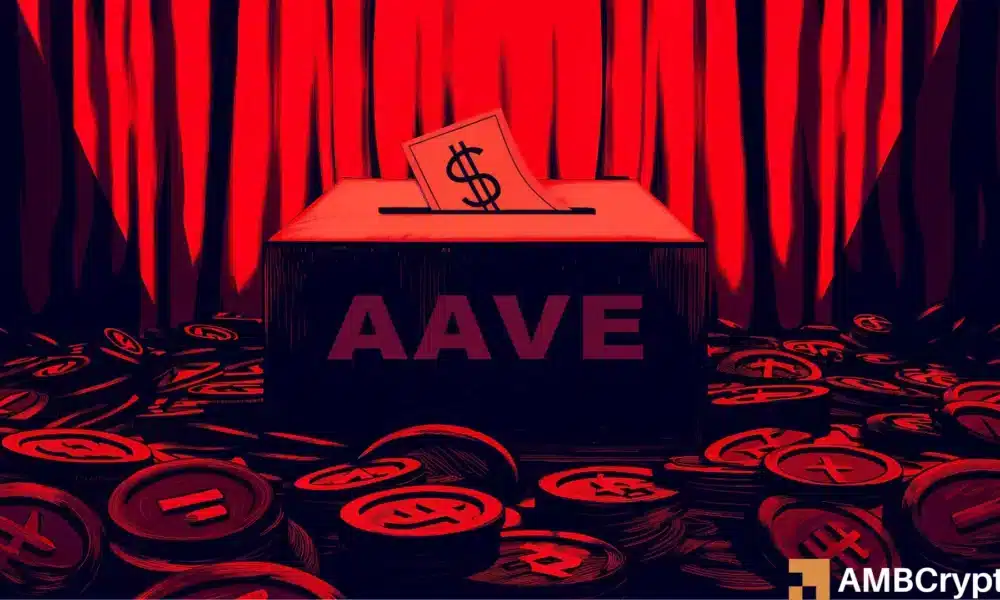
Aave, a prominent name in the DeFi (Decentralized Finance) space, is currently experiencing significant challenges that have raised concerns among its community and investors. A recent governance proposal aimed at transferring control of the protocol’s brand and intellectual property to its decentralized autonomous organization (DAO) was met with considerable resistance, resulting in a decisive rejection. This development has been compounded by a notable decline in AAVE’s price, leading many to question the future trajectory of this key player in the DeFi industry.
Governance Vote and Community Response
The governance vote concerning Aave’s brand and intellectual property witnessed a stark divide among token holders. Over 55% of voters rejected the proposal, with only 3.5% in support. Additionally, a significant number of participants abstained from voting, which indicates a lack of consensus. The proposal aimed to transfer control of Aave’s domains, social media handles, and naming rights from centralized entities like Aave Labs and BGD Labs to token holders, signaling a move towards deeper decentralization. Despite the intention for greater community involvement, many found the timing and implications concerning, leading to skepticism about the governance process.
Leadership Concerns and Community Frustrations
Aave’s founder and CEO, Stani Kulechov, publicly opposed the governance proposal, labeling the yes/no vote as an inadequate method for addressing a complex issue. This opposition fueled allegations of interference in DAO governance, creating friction within the community. In the days leading up to the vote, dissatisfaction grew over the decision to transition to a snapshot vote while discussions were still ongoing. This controversy highlighted a deep-seated concern about transparency and governance within the Aave ecosystem, ultimately contributing to the proposal’s failure.
Influence and Power Dynamics
The tensions surrounding the governance vote raised critical questions concerning influence within token-based governance systems. Reports surfaced of Kulechov acquiring $10 million worth of AAVE shortly before the vote, which, while not necessarily unethical, prompted discussions regarding the concentration of power and its implications for the decision-making process. Such dynamics can undermine the spirit of decentralization that the Aave community strives for, leading to further disenchantment among token holders who seek a more equitable governance model.
Market Response and Price Movements
Following the governance vote, AAVE’s price experienced a dramatic decline of approximately 14%, pushing it below the critical $150 mark. Although there was a slight bounce back, the altcoin remained under key moving averages, a signal often associated with bearish market conditions and decreased buyer confidence. The Relative Strength Index (RSI) indicated a low reading, underscoring the caution among buyers, while negative money flow further reflected market hesitance. As selling pressure appeared to be slowing, there was speculation that AAVE could attempt a recovery towards the $165-$170 range, but a clear direction from the market remained elusive.
Looking Ahead: Uncertainty in the DeFi Space
The outcome of the governance vote and the ensuing price drop signify troubling signals for Aave and the broader DeFi landscape. Market conditions remain uncertain, and investors are anxiously awaiting clear signals that could indicate a reversal in sentiment. The need for transparent governance processes and effective community engagement is critical to restoring confidence among token holders. As one of the foremost names in DeFi, Aave’s next steps will be crucial in determining its ability to navigate these challenges and reinforce its commitment to decentralization.
Conclusion: Future Outlook for Aave
In summary, Aave’s recent governance vote rejection and the accompanying price decline highlight significant fractures within its ecosystem. With over 55% of the community voting against the brand takeover proposal, and a 14% price drop of the AAVE token, confidence appears shaken. For Aave to reclaim its standing in the DeFi sector, it must prioritize transparent governance and foster greater community trust. The road ahead is undoubtedly fraught with challenges, but Aave’s proactive efforts in addressing these concerns could pave the way for a more robust and resilient future in decentralized finance.