



The Current State of the Digital Asset Market: A Deep Dive
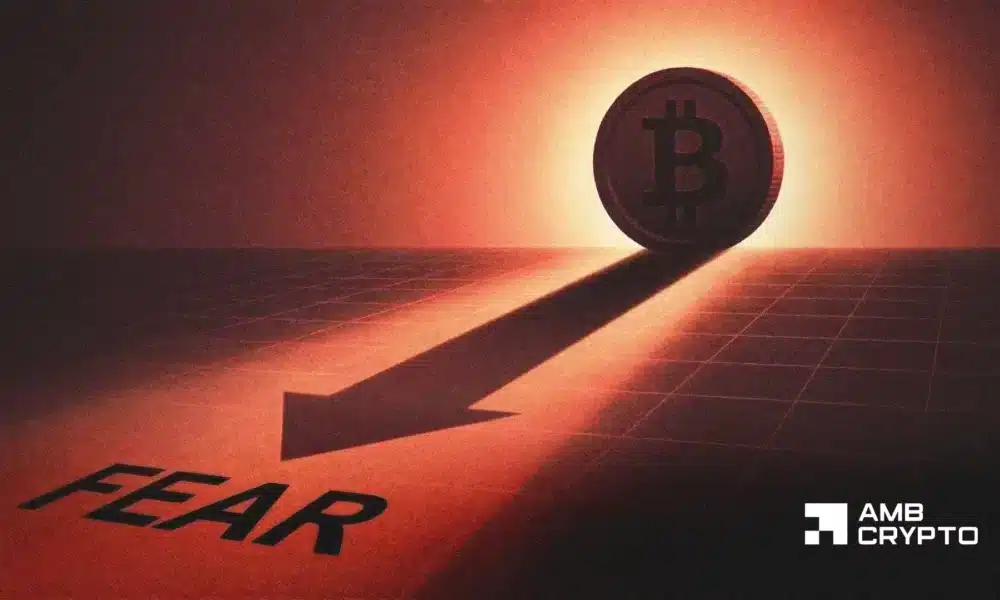
As of March 9, 2026, the cryptocurrency landscape is experiencing a period marked by "Extreme Fear," with the Crypto Fear and Greed Index plummeting to a historic low of 8. This worrying trend has persisted for 38 consecutive days, making it the longest streak of deep fear since the devastating Terra/Luna collapse of 2022. Initially, the market was optimistic, peaking with a "Greed" level of 61 on January 15, 2026. However, this positivity rapidly diminished as the index entered the fear zone by January 28, signaling a drastic shift in market sentiment.
Understanding the Market Dynamics of 2022 vs. 2026
In order to comprehend the ongoing situation, it’s essential to contrast the current conditions with those of 2022. The collapse two years ago was characterized by severe failures and an immediate liquidity crisis. In contrast, the current downturn appears to be more of a gradual market reset influenced by various macroeconomic pressures. Factors such as tariff uncertainties, the looming question of leadership within the Federal Reserve, and escalating geopolitical tensions—most notably the U.S.-Iran conflict—are contributing to the downward spiral in crypto values. This shift from optimism to a risk-off environment has left analysts pondering whether the market is on the verge of capitulation or is preparing for a new cycle of growth.
Analyzing Technical Indicators: RSI and Market Sentiment
Technical indicators further emphasize the weakness currently permeating the market. The broader Crypto Relative Strength Index (RSI) is stuck at 47.37, hovering below the neutral 50 mark for nearly three months. This reflects sustained market fatigue rather than short-lived volatility, indicating that traders may be bracing for a longer-term downturn. The analysis of Bitcoin (BTC) and Ethereum (ETH) shows that while early signs of participation were promising—Ethereum’s active addresses increasing from 14 million to 16 million, and Bitcoin reaching a peak of 12.3 million—this growth has since cooled. By mid-February, Bitcoin’s active addresses fell to around 12 million, and Ethereum’s to about 15.5 million, pointing towards a cautious consolidation phase.
On-Chain Activity: A Barometer of Market Recovery
A closer inspection of on-chain activity reveals crucial insights into market sentiment. The rise of active addresses from mid-January to early February suggested a surge in organic demand, a typical precursor to market recovery. However, the subsequent decline in activity indicates that investors are becoming more cautious during this period of prolonged fear. Until indicators such as active addresses show signs of resurgence, the cryptocurrency market will likely stay in a holding pattern, wary of potential gains or losses and waiting for a new catalyst to inspire market momentum.
Expectations for the Future: Will Fear Transition to Opportunity?
Given the current indicators and market sentiment, it appears that the digital asset market is in a cooling cycle rather than a temporary correction. Historically, extended periods of fear have often heralded significant market reversals; however, the unprecedented duration of the current "Extreme Fear" phase raises questions about its implications. Traders and investors are on the lookout, aware that sustained fear could either lead to more substantial downturns or create ripe conditions for a strong recovery when confidence eventually returns.
Conclusion: Navigating the Uncertainty
In summary, the cryptocurrency market finds itself in a precarious situation, marked by extended periods of fear and declining participation. With significant macroeconomic forces at play and technical indicators suggesting prolonged fatigue, stakeholders in the digital asset ecosystem must remain vigilant. Understanding these dynamics will be crucial for adapting strategies in a market that is currently shrouded in uncertainty. As history suggests, fear can swiftly transform into opportunity—when that transformation will occur remains the central question for investors and analysts alike.
By keeping abreast of market conditions, participants can better navigate the tide, potentially positioning themselves for future growth once conditions stabilize.