




The Divergence in Stablecoin Usage: Analyzing Current Trends in the Crypto Market
Introduction: Understanding the Current Crypto Landscape
In the rapidly changing world of cryptocurrencies, two significant trends seem to be at odds with each other: a decrease in the supply of stablecoins like Tether (USDT) and an uptick in their use for payments. As analysts point out, the market’s current state raises further questions about liquidity, capital flows, and the overall health of the crypto ecosystem. Understanding the underlying dynamics is essential for both investors and market participants to navigate these turbulent waters effectively.
Liquidity Concerns: The Shrinking Tether Supply
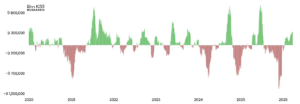
The first observation comes from analyst MorenoDV, who notes a notable contraction in the supply of Tether (USDT) over the past two months. The market capitalization of USDT has dipped below $3 billion, a significant indicator that echoes previous occurrences in late 2022 when Bitcoin (BTC) was nearing its cycle bottom. This decline in stablecoin supply is a crucial marker of capital exiting the system, as stablecoins serve as a kind of working capital. The shrinking liquidity indicates that fewer funds are available for investors looking to acquire assets or take risks, suggesting a tightening in the broader crypto market.
A Closer Look: Daily Outflows and Market Stress
Daily data corroborates the concern around liquidity, showing multiple instances where USDT has experienced single-day outflows exceeding $1 billion. Typically, these outflows cluster during periods of heightened selling and market volatility, suggesting that investor sentiment may be shifting towards caution. This pattern serves as a reminder of the need for vigilant market analysis, as fluctuations in capital availability can have substantial impacts on asset prices and overall market stability.
Stablecoins on the Rise: A Global Perspective
Despite the challenges facing USDT and other stablecoins, there is a silver lining. The utilization of stablecoins for various payment systems is booming. A recent Q1 2026 research report highlights that the United States stands as the largest stablecoin market, processing an astounding $126 billion in monthly transaction volume. Countries like China and financial hubs in Hong Kong, Singapore, and Japan are following suit, solidifying a global movement towards stablecoins. This rapid adoption indicates that while liquidity might be tightening, the broader acceptance and use of stablecoins continue to flourish.
Trustworthy Structures: The Rise of Fiat-Backed Stablecoins
Interestingly, the growth trajectory of stablecoins is shifting from crypto-backed and algorithmic models to more traditional, fiat-backed structures. An increasing number of stablecoins boasting more than $10 million in supply points to this trend. The market is leaning towards options that provide higher levels of trust for investors and consumers alike. This movement can foster greater stability within the ecosystem and add confidence to users wary of more speculative models.
Explosive Growth in Card-Linked Payments
One of the most compelling developments in the stablecoin landscape is the surge in card-linked stablecoin payments. Annualized spending through this system skyrocketed from around $1 billion early last year to approximately $4 billion. This growth signals a transition in consumer behavior and highlights the versatility of stablecoins in daily transactions. As this sector continues to expand, it suggests that short-term liquidity issues may not be indicative of an overall downturn in stablecoin adoption or sales, creating a dichotomy within the markets.
Conclusion: Navigating the Future of Stablecoins and Crypto Markets
In conclusion, the current crypto market presents a complex and often contradictory picture. While liquidity concerns grow, exemplified by the $3 billion exit from USDT, the usage of stablecoins for payments has surged, exceeding $300 billion in transactions monthly. The paradox highlights the dual nature of the market, where, despite immediate challenges, long-term growth opportunities remain across the stablecoin landscape. For investors and participants, understanding these dynamics will be essential to navigating the intricate interplay between market forces, liquidity conditions, and overall adoption rates in the evolving world of cryptocurrency.