




The Shift from Tokens to Equity: A New Era in Crypto Projects
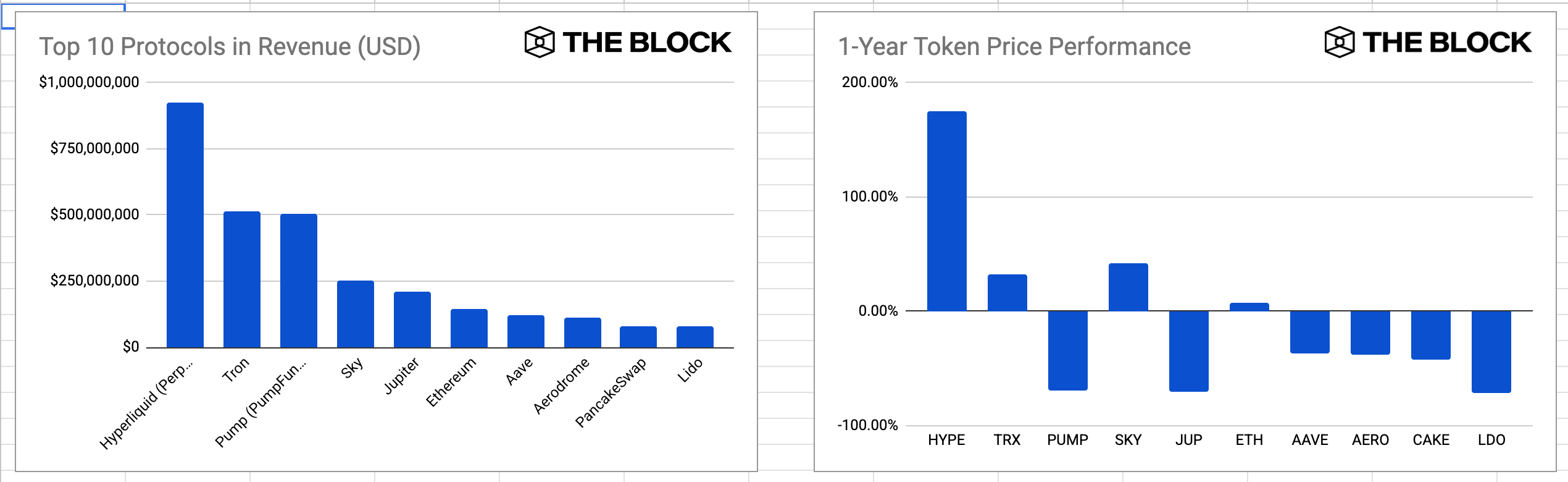
In a transformative moment for the crypto landscape, Across Protocol has launched a temperature check proposal that questions the viability of traditional token structures. Their call to transition from a decentralized autonomous organization (DAO) model to an equity-based setup reflects a growing sentiment among crypto projects. Supported by Paradigm, Across claims that the current token and DAO model presents significant barriers to partnership collaborations and growth. This shift comes amid challenges in the token market, where many tokens have yet to demonstrate their true worth despite promising operational metrics and revenue figures.
The Challenges of DAO Models
Advocates for the equity model argue that DAO governance can slow business processes and decision-making. Rob Hadick, a general partner at Dragonfly, notes that the DAO model obstructs the efficient execution of business strategies, citing the risk-averse nature of decision-making bodies more beholden to consensus than to talented founding teams. This scrutiny brings forth a significant critique: the DAO structure, initially adopted to mitigate legal risks, often results in superficial decentralization that lacks genuine governance effectiveness. According to Raye Hadi from ARK Invest, regulatory pressures played a pivotal role in pushing projects towards DAOs as a means of navigating legal complexities associated with token categorization.
As the regulatory landscape becomes more defined, many projects are reassessing their dependence on DAO structures. Investors and institutional players are increasingly inclined to advocate for the incorporation of traditional corporate structures, which can streamline operations and expand partnership possibilities. Michael Bucella of Neoclassic Capital asserts that teams that pursue this shift may be viewed as innovative leaders in the marketplace, while those sticking to outdated token frameworks risk appearing analogous to proponents of now-defunct initial coin offerings (ICOs) from several years past.
The Disconnect Between Tokens and Protocol Success
Despite the robust performance of various crypto protocols, many tokens are struggling to accurately represent their associated economic value. A consistent point of concern among investors is the lack of a clear connection between token utility and protocol revenue. Amir Hajian from Keyrock emphasizes the need for transparent value accrual mechanisms, such as buybacks or direct revenue sharing, to bridge this alarming disconnect. He argues that regulatory uncertainties around securities laws have led many project teams to shy away from designing tokens that directly correlate with financial success.
The lack of clarity has resulted in fragmented value distribution within the crypto ecosystem, where revenue-generating entities, such as labs and foundations, hold tokens that do not yield tangible benefits for holders. This has fueled discussions around the concept of "network equity," a term coined by Thomas Klocanas, suggesting that future token frameworks must provide holders with credible claims over the economic outputs of underlying protocols.
Emerging Trends: More Projects Looking Towards Equity
The conversation sparked by Across Protocol’s proposal appears to be just the tip of the iceberg. Anirudh Pai from Robot Ventures notes that while the transition from tokens to equity isn’t universal, it signals a fundamental shift in how some projects envision growth and governance structures. Hadick reinforces this, asserting that an influx of protocols is likely to replicate Across’s move toward privatization. The most likeliest candidates for this transition include infrastructure and middleware protocols—those that inherently rely on enforceable contracts and defined service expectations.
However, not every crypto project is a suitable candidate for an equity-driven approach. Hajian points out that systems requiring neutral and equitable treatment among participants, such as automated market makers, might encounter conflict with a corporate structure. The idea of distinguishing between protocols—like Bitcoin and Ethereum, which operate as distributed systems requiring decentralized participation—and commercial projects should also be central to these conversations as they evolve.
The Economics of Token Structures and Market Dynamics
As more projects consider the shift from tokens to equity, market dynamics will inherently change. Hadick signals that this shift will likely shrink the token market substantially, leading to a more concentrated landscape defined by higher-quality offerings. Investors are already observing many crypto liquid funds pivoting toward equities and macro assets as the potential for growth in traditional investments intensifies.
Market conditions, including dampened token prices and market saturation, reinforce this shift toward equity. Many believe that this "cleanup" is necessary to facilitate healthier market conditions. Opportunities for robust token structures are still anticipated, but the bar for new token projects has been raised significantly amidst the demand for improved economic models.
Opportunities and Challenges Ahead
As the infrastructure around tokenized equities evolves, the landscape may become more accessible for traditional investors. However, regulatory hurdles like accredited investor qualifications may pose challenges. While they restrict access, they also highlight the need for a balanced path toward innovation that offers genuine participation in these evolving structures.
Investors remain open to both equity and tokens, but the perception of value within the token market faces increased scrutiny. Many now view tokens as a secondary mechanism compared to direct equity holdings, especially as more sophisticated projects emerge. The key takeaway is that tokens must demonstrate robust, tangible value propositions fitting for the market, which will ultimately dictate their place in this restructuring ecosystem.
In conclusion, the evolution from tokens to equity presents a crucial turning point that underscores the need for clearer governance structures and business strategies within the crypto space. As projects like Across Protocol push for transformation, the industry would benefit from balancing innovation and compliance to foster sustainable growth moving forward.