


Bitcoin and Crypto Market Dynamics: Key Insights from Recent Developments
As the crypto market navigates a pivotal moment, Bitcoin (BTC) is currently at a significant inflection point ahead of the Federal Reserve’s interest rate decision. Analysts are cautiously optimistic as liquidity begins to return; however, they caution that persistent resistance levels and ongoing macroeconomic uncertainties continue to create a fragile momentum for the market. The landscape is evolving rapidly, with new announcements from regulatory bodies and innovative developments in the crypto space.
Regulatory Clarity: SEC and CFTC Guidance
A monumental shift occurred when the U.S. Securities and Exchange Commission (SEC) and the Commodity Futures Trading Commission (CFTC) jointly released new guidance clarifying that most cryptocurrencies should not be classified as securities. This marks a significant turning point in the regulatory landscape, aimed at alleviating years of uncertainty surrounding digital assets. SEC Chair Paul Atkins highlighted this new framework at the DC Blockchain Summit, emphasizing that the definition of digital assets will specifically categorize stablecoins, digital commodities, and other digital tools as non-securities.
Moreover, the updated guidance offers clarity on how securities laws apply to activities such as mining, protocol staking, and airdrops, particularly as they relate to non-security tokens. Importantly, digital collectibles tied to items like trading cards and current events likewise fall outside the securities designation. However, there is a caveat: a non-security token could potentially become classified as a security if marketed by issuers in a way that implies profit expectations based on managerial efforts, adhering to the Howey Test. This progress signals a more open and understandable regulatory approach compared to the stringent enforcement seen under former SEC Chair Gary Gensler.
Tempo’s Innovative Mainnet Launch
In another significant development, Tempo, a payments-centric blockchain co-developed by Stripe and Paradigm, launched its mainnet along with the Machine Payments Protocol (MPP). This breakthrough enables autonomous machine-to-machine transactions, marking a notable advancement in blockchain functionality. The Tempo network supports a diverse array of services, incorporating over 100 providers, linking AI agents to platforms including OpenAI and Shopify, and facilitating seamless microtransactions.
One of the standout features of the MPP is its capability to handle session-based payments, combining numerous microtransactions into a single settlement. This not only streamlines transactions but also enhances the efficiency of payments across various platforms, including traditional financial systems through partnerships with Visa and Lightspark. The rail-agnostic design signifies a forward-thinking approach to digital currencies and machine interactions.
Bhutan’s Bitcoin Movements
Highlighting international strides in crypto adoption, Bhutan’s Royal Government has moved an additional 973 BTC, valued at approximately $72.3 million. This transaction was traced back to the country’s sovereign wealth fund, Druk Holding & Investments, which manages its Bitcoin investments. The recent transfers are part of a trend, with Bhutan having moved over $110 million in Bitcoin in the year so far, raising eyebrows about the potential scaling back of its hydroelectric Bitcoin mining operations.
Arkham Intelligence reports indicate that there have been no substantial inflows into the country’s Bitcoin holdings over the past year, thus raising questions about Bhutan’s long-term strategy in the cryptocurrency sector. Given the focus on sustainable energy through hydroelectric power, the dynamics of these transactions could imply a shift in focus or operational capabilities within its cryptocurrency initiatives.
S&P Index Makes Waves in the Crypto Scene
The entry of S&P Dow Jones Indices into cryptocurrency trading signifies another layer of institutional engagement within the digital asset ecosystem. Licensing its S&P 500 brand for a perpetual derivative contract to be traded on the Hyperliquid platform allows for continuous, leveraged exposure to one of the most recognized indices in the world. This innovative product opens up new avenues for eligible non-U.S. investors to engage with the S&P 500 in a decentralized, crypto-native manner.
Hyperliquid, now commanding over 36% of the perpetual derivatives decentralized exchange (DEX) market, showcases the rising popularity and potential of on-chain derivatives trading. The partnership between traditional financial indices and emerging crypto platforms represents a strategic bridging of sectors, indicating increasing acceptance and integration of digital assets into conventional financial frameworks.
Bitcoin ETFs See Robust Inflows
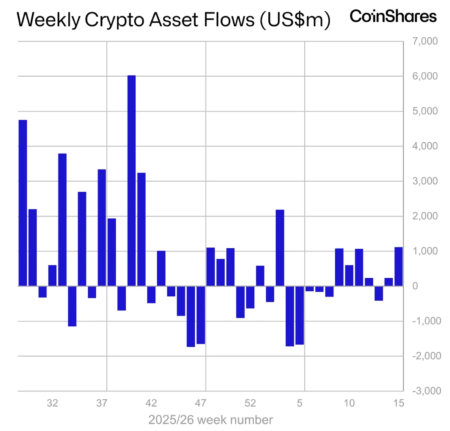
In a notable trend, U.S. spot Bitcoin ETFs have recorded $199.4 million in inflows, marking a seven-day streak—the longest since the height of Bitcoin’s price surge in October 2025. This influx, totaling approximately $1.17 billion over the last week, reflects growing institutional confidence and sustained long-term interest rather than speculative short-term trading. Analysts are optimistic that the recent regulatory clarity provided by U.S. authorities will further bolster institutional demand for Bitcoin and expand participation in cryptocurrency ETFs.
The sustained inflow into Bitcoin ETFs underlines a significant sentiment shift within institutional investment circles, as more firms recognize the potential of digital assets. This momentum could potentially pave the way for broader acceptance and integration of cryptocurrencies in traditional investment portfolios.
The Road Ahead: Upcoming Economic Indicators
As we look ahead, notable economic indicators are on the horizon that could influence market dynamics further. The Bank of England’s interest rate decision is anticipated, alongside U.S. jobless claims data. This information is crucial for understanding the broader economic context as both investors and regulators navigate the evolving landscape of digital assets.
Projects like Aerodrome Finance, which are gearing up for token unlocks, also suggest an active engagement level within the crypto community. As these developments unfold, staying informed will be key for stakeholders looking to capitalize on new opportunities within this rapidly changing market.
In conclusion, the current trajectory of Bitcoin and the broader cryptocurrency market is shaped by a mix of regulatory shifts, technological innovations, and evolving institutional dynamics. As the landscape continues to develop, stakeholders must stay engaged to navigate the complexities and opportunities presented by this burgeoning sector.