



The Impact of Space Protocol’s Token Sale on Crypto Fundraising: Opportunities and Concerns
The recent public token sale for Space Protocol has ignited a significant debate within the cryptocurrency community, particularly as comparisons are drawn with past contentious fundraising incidents, including the Trove Markets fallout. Space Protocol, which aims to establish a leveraged prediction market on the Solana blockchain, has stirred attention due to the overwhelming demand for its SPACE token. Their sale drew over $20 million in interest, far surpassing the initial $2.5 million target that was widely cited. This considerable oversubscription has raised eyebrows, fueling discussions about the implications for both investors and the project.
Understanding the Token Sale Dynamics
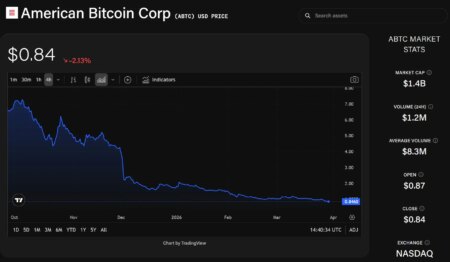
Initially, the enthusiasm surrounding Space Protocol’s public sale was palpable. The tokens were priced at $0.069, leading to a fully diluted valuation near $69 million. However, what began as an exciting opportunity quickly transformed into skepticism. Many participants began questioning whether the $2.5 million figure was indeed a cap or merely a soft target. Critics began to echo concerns reminiscent of the Trove Markets incident, which also experienced a dramatically oversubscribed sale followed by a notable decline in token value. Such associations have put additional pressure on the Space Protocol team to clarify their intentions and operational integrity.
Space Protocol’s Response to Skepticism
In response to the growing criticisms, Space Protocol issued a statement on X, asserting that the $2.5 million figure was a soft cap rather than a hard ceiling. The development team clarified that they allocated around 19.6% of the total token supply to the public sale and returned approximately $7.3 million in excess capital after assessing their operational needs. They emphasized a commitment to spreading ownership across numerous wallets, allowing smaller investors to participate more readily, which marks a departure from common fundraising approaches that often favor larger investors.
According to Space Protocol, any additional funds raised will be allocated toward creating leverage pools, ensuring proper liquidity for launches, and bolstering listings on centralized exchanges. The team claims that creating successful leveraged markets necessitates a foundation of deep liquidity and robust systems from the outset, which underscores the necessity of their fundraising approach.
Ongoing Critiques of Space Protocol
Despite their reassurances, skepticism remains a strong undercurrent in the community. Notably, Ethos CEO Serpin Taxt criticized the decision to retain a substantial portion of the raised funds, which he characterized as acting “in bad faith.” Moreover, some observers have raised concerns regarding Space Protocol’s marketing strategies, rapid succession of sales, and what they view as inadequate technical documentation. The similarities in branding and presentation between Space and troubled projects like Trove Markets have further fueled mistrust, despite a lack of evidence linking the two projects.
The Founders’ Background and Partnerships
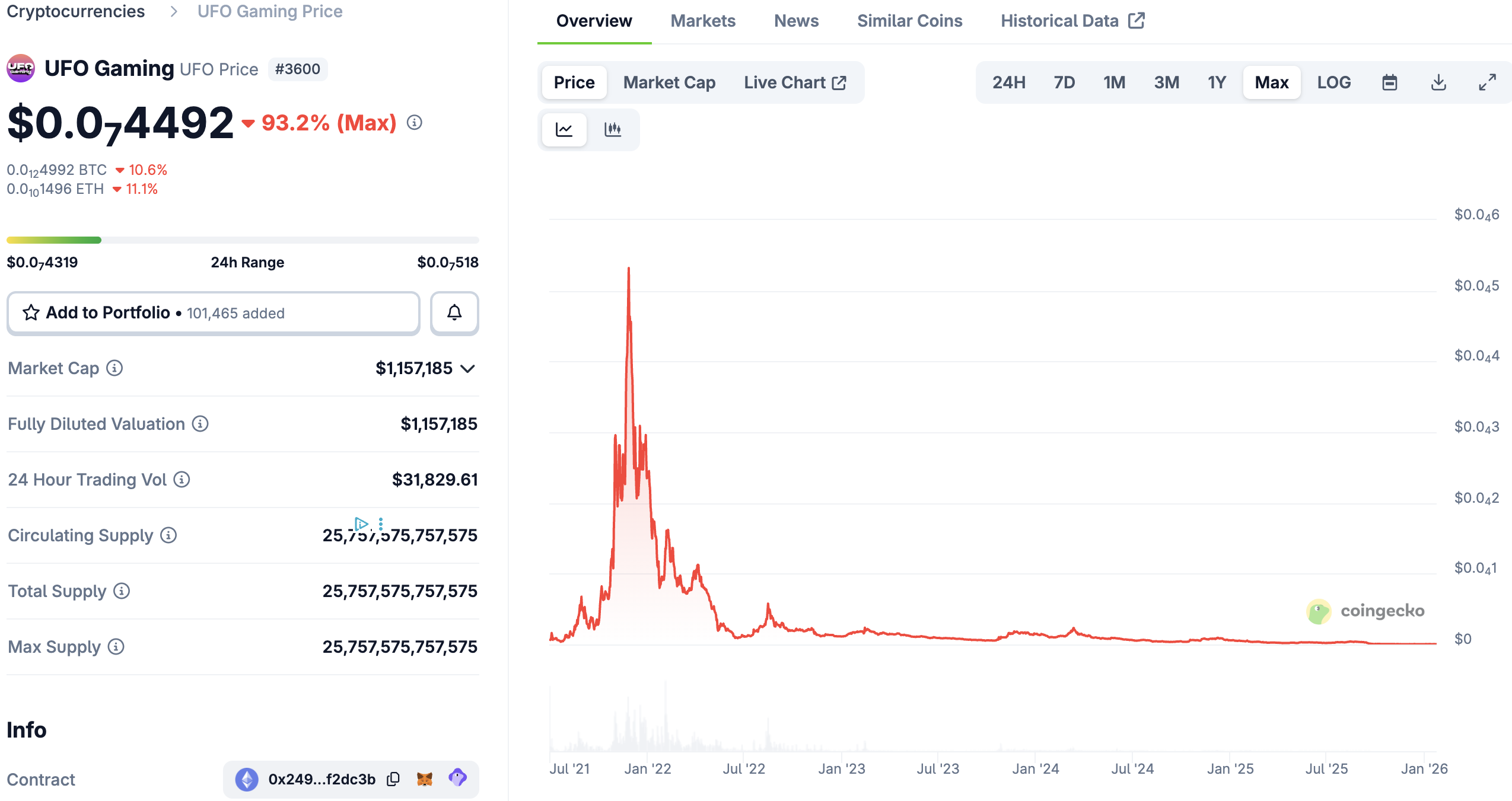
Questions surrounding the credibility of Space Protocol have intensified, particularly concerning the professional histories of its founders. Many of them previously participated in GameFi projects such as UFO Gaming, which faced a severe decline in its token value during the broader GameFi downturn. Critics are also voicing doubts about the partnerships touted during the sale, mentioning firms like Kalshi and MoonPay, which have not transitioned into tangible product usage to date. These associations contribute to an overall atmosphere of skepticism around Space Protocol’s potential, highlighting a need for transparent communication from the development team.
Addressing Concerns Through Transparency
In light of ongoing allegations and uncertainty, Space Protocol has firmly denied any accusations of wrongdoing or misrepresentation. The team contends that their platform is actively under development, complete with safeguards and audits to ensure credibility. They are also planning to host a public event on X Spaces to engage directly with community concerns, reiterating that the token claiming will only occur at the designated token generation event (TGE). By addressing questions in an open forum, the project aims to restore investor confidence and clarify any misunderstandings regarding its intentions.
The Broader Implications for Prediction Markets
The unfolding situation at Space Protocol arrives at a pivotal moment for prediction markets. These services are witnessing renewed interest following record trading volumes in 2025, yet they also face increased regulatory scrutiny and reputational risks. The challenges surrounding the mechanics of token sales and transparency, spurred by incidents like Trove Markets, have created a more cautious environment among investors. As the crypto community contemplates the implications of this latest fundraising endeavor, all eyes are on Space Protocol, highlighting the delicate balance between opportunity and risk in the ever-evolving landscape of digital currencies.
In summary, the public token sale for Space Protocol has sparked vital discussions about the intricacies of crypto fundraising. While the initial oversubscription reflects strong demand, the ensuing skepticism has brought to light critical concerns regarding transparency, investor engagement, and project viability. As the cryptocurrency landscape continues to evolve, the unfolding narrative surrounding Space serves as a reminder of the importance of transparency and integrity in building trust within the ever-expanding digital economy.