

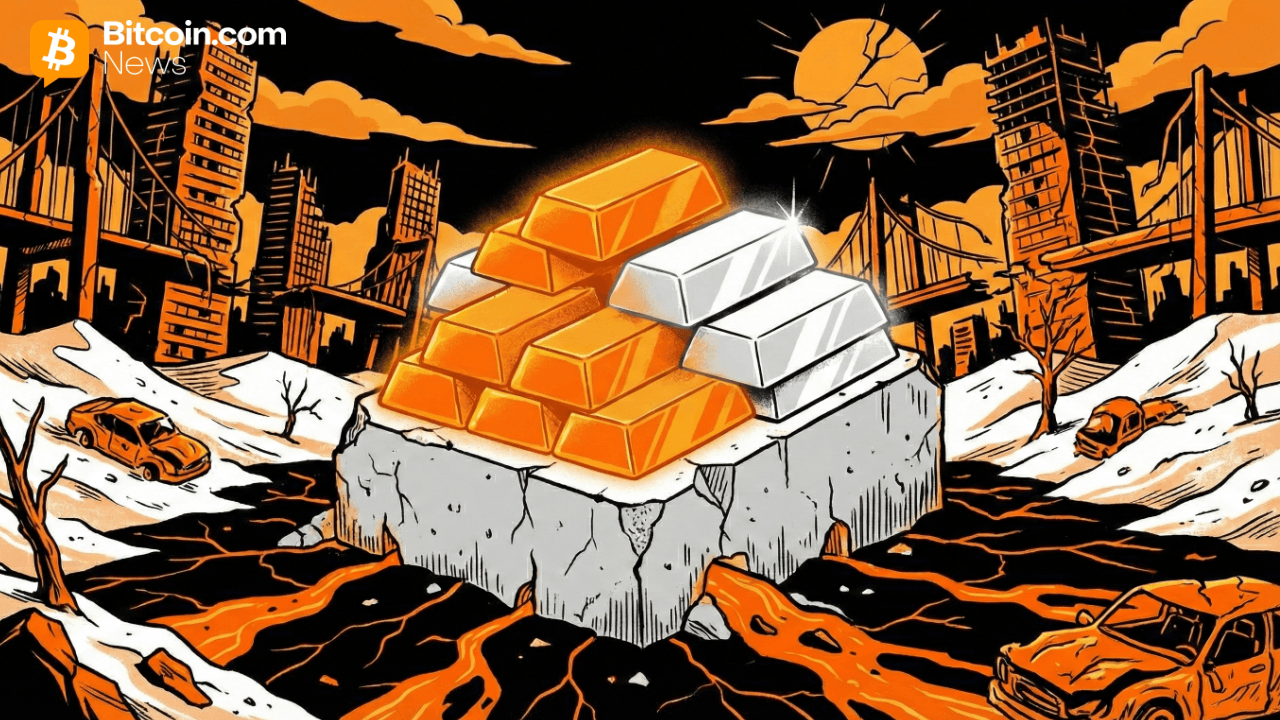
The Rising Bull Rally of Gold and Silver: Implications for the Economy
As gold and silver continue to soar to record highs almost daily, the financial landscape is grabbing the attention of both analysts and investors. The unprecedented rise in precious metals is stirring concerns about the long-term implications for the economic ecosystem. Many financial experts are now speculating on what this might signify and whether it bodes well or ill for future market trends.
The Surge of Precious Metals
In recent months, gold and silver have experienced a remarkable bull rally, with prices reaching heights that many financial analysts find alarming. This surge can be attributed to various factors, including geopolitical tensions, inflation worries, and investor sentiment shifting towards safer assets. As traditional investment avenues such as stocks and bonds struggle to yield satisfactory returns, precious metals have emerged as an attractive alternative, driving demand and thus, prices upwards.
The Fear of a Potential Recession
Despite the allure of high-performing gold and silver, a growing number of analysts express concern that this trend is not sustainable and could potentially signal an impending recession. The underlying fear is that when investors flock to precious metals amidst economic uncertainty, it indicates a lack of confidence in traditional markets. Many scholars believe that when gold and silver become the preferred investment options, it may serve as a red flag for an economy that could be headed toward a downturn.
Inflation and Geopolitical Tensions
Another factor contributing to the rising prices of gold and silver is the current inflationary environment, which has forced investors to seek refuge in tangible assets that retain value over time. With inflation rates climbing, many view gold and silver as a hedge against economic instability. Furthermore, ongoing geopolitical tensions often create an atmosphere of uncertainty that further fuels the demand for precious metals. This interplay of inflation and global instability is likely to keep gold and silver prices high, but it raises questions about the overall impact on economic growth.
Diversification and Investment Strategy
For investors watching the precious metals market, diversification is more important than ever. While gold and silver may offer protective qualities against inflation and economic uncertainty, the question remains: should they replace traditional investment strategies? Many financial advisors suggest that a balanced portfolio should include a mix of asset types to mitigate risk. Incorporating precious metals can provide an effective hedge, but investors should remain cautious about over-concentration in any single class of assets.
Long-term Economic Outlook
While the short-term prospects for gold and silver appear strong amidst market volatility, analysts are split on the long-term outlook. Some argue that a sustained rally in precious metals could have deflationary effects on the broader economic landscape, potentially leading to a contraction in consumer spending and investment. Others suggest that as economic conditions stabilize, gold and silver prices may normalize, reducing concerns about a potential recession.
Conclusion
As gold and silver continue to defy gravity, the financial world remains on alert. The bull rally of precious metals, though alluring, carries with it significant implications for the economy that investors must carefully consider. Armed with a keen understanding of the intricacies involved, investors can make informed decisions that align with their financial goals while navigating the uncertainty that characterizes today’s markets.