


ING Deutschland Opens Retail Access to Cryptocurrency-Linked ETNs: A Game Changer for Investors
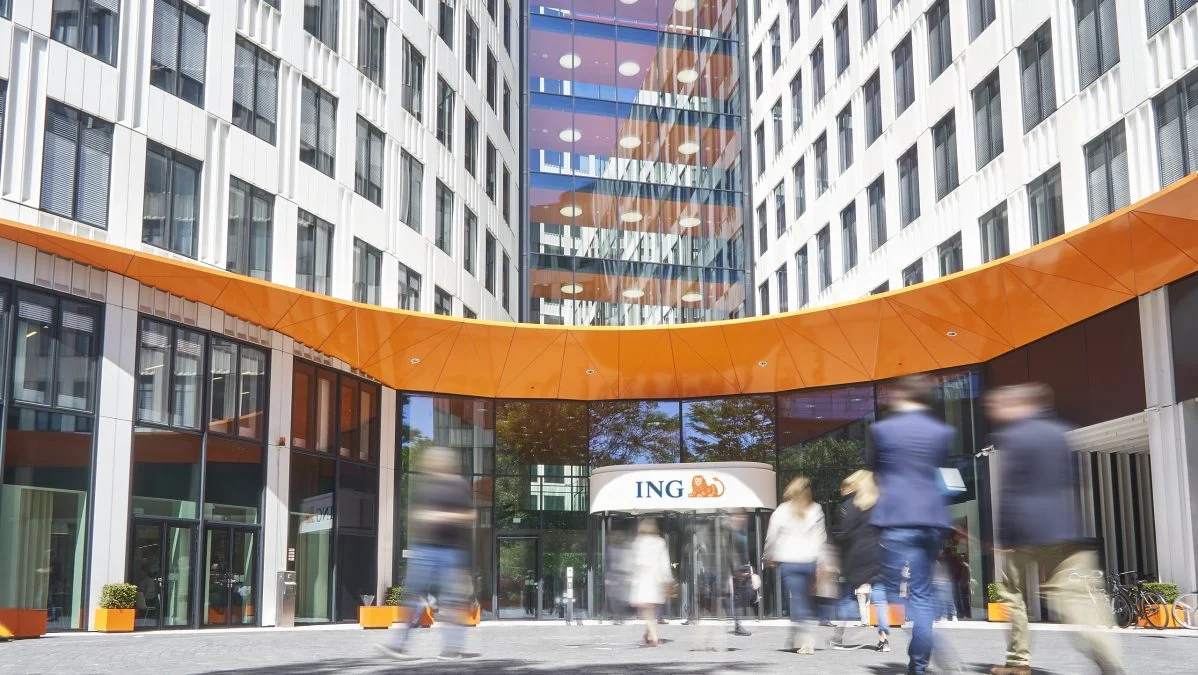
In a significant step towards mainstream adoption of cryptocurrencies, ING Deutschland, a prominent retail bank in Germany, has opened access to cryptocurrency-linked exchange-traded notes (ETNs) and products. These constructs allow individuals to gain exposure to major cryptocurrencies such as Bitcoin, Ethereum, and Solana through regulated financial vehicles. The move marks a pivotal expansion in the traditional banking sector’s approach to digital assets, enabling customers to engage with cryptocurrencies in a manner that fits seamlessly into their existing investment frameworks.
Innovative ETNs for the Everyday Investor
The ETNs offered by ING Deutschland are designed to provide a user-friendly interface for investing in cryptocurrencies. These products are physically backed instruments, issued by recognized providers such as 21Shares, Bitwise, and VanEck. By being traded on regulated exchanges through ING’s Direct Depot platform, these ETNs track the performance of individual cryptocurrencies without requiring customers to manage complex third-party wallet systems or private keys. This structure lowers the barriers to entry for those wary of the intricacies of crypto investing, creating an opportunity for everyday investors to participate in the burgeoning crypto market.
Martijn Rozemuller, CEO of VanEck Europe, emphasized the significance of this development: “This creates another particularly low-threshold access to crypto investments via exchange-traded products.” Many investors seek a straightforward solution that integrates into their existing investment portfolios while offering transparent costs. The partnership between ING and leading crypto asset managers exemplifies a shift towards bridging traditional banking services with digital asset access.
Tax Treatment and Investment Opportunities
Investors in these ETNs will find that they are subject to tax treatment akin to direct cryptocurrency holdings in Germany. This includes potential capital gains exemptions for positions that are held longer than one year, making the products more appealing for long-term investors. By aligning the tax implications of these ETNs with those of direct crypto investments, ING Deutschland is not just promoting accessibility but also easing some of the financial burdens typically associated with cryptocurrency trading.
However, it is crucial for potential investors to be aware of the various risks involved with investing in ETNs linked to cryptocurrencies. ING has provided a stern warning about the inherent risks, which include extreme price volatility, issuer insolvency leading to total loss, liquidity challenges, market manipulation, and the ever-evolving regulatory landscape surrounding digital assets. This caution underscores the importance of thorough research and due diligence before making investment decisions in this space.
Understanding the Volatile Nature of Cryptocurrencies
ING Deutschland has reiterated that cryptocurrencies are speculative products without intrinsic value. Instead, their valuations are often driven by psychological factors, which can lead to significant fluctuations in prices. This is particularly true for exchange-traded crypto assets, prompting the bank to advise caution when entering this market. As cryptocurrencies continue to evolve, potential investors must be prepared for a landscape marked by uncertainty and rapid changes in value.
Despite these risks, ING’s engagement with digital assets highlights an ongoing evolution within the banking sector. This is part of a broader trend where traditional financial institutions are adapting their services to cater to the growing interest in cryptocurrencies. As more banks follow suit, the potential for broader acceptance and integration of cryptocurrencies within retail banking could reshape the financial landscape in Europe and beyond.
ING’s Broader Commitment to Digital Assets
With roots dating back to the 18th century, ING has been progressive in its approach to digital innovation. In September, the bank joined forces with eight other European banks to form a consortium aimed at developing a euro-based stablecoin. This initiative seeks to establish a trusted payment standard within Europe, further solidifying ING’s commitment to the digital asset ecosystem. By investing significant resources in the development of stablecoins and ETNs, ING is positioning itself as a leader in banking’s new frontier, potentially reshaping how customers engage with both fiat and digital currencies.
Conclusion: A New Path for Investors
The introduction of cryptocurrency-linked ETNs by ING Deutschland represents a transformative moment for investors seeking to diversify their portfolios with digital assets. By providing these innovative financial products, the bank is not only making cryptocurrencies more accessible but also offering a structured and regulated way for individuals to engage in this dynamic market. However, as with any investment, understanding the risks involved and doing thorough research is paramount. As the banking sector continues to adapt to the rise of digital currencies, we may be witnessing the beginning of a new era in finance, where traditional and digital assets coalesce into an integrated financial environment.
With ING leading the charge in Germany, it will be fascinating to see how other banks and financial institutions respond and adapt to the growing demand for cryptocurrency investment opportunities.