



Goldman Sachs CEO David Solomon Reveals Personal Bitcoin Ownership Amid Shifting Crypto Landscape
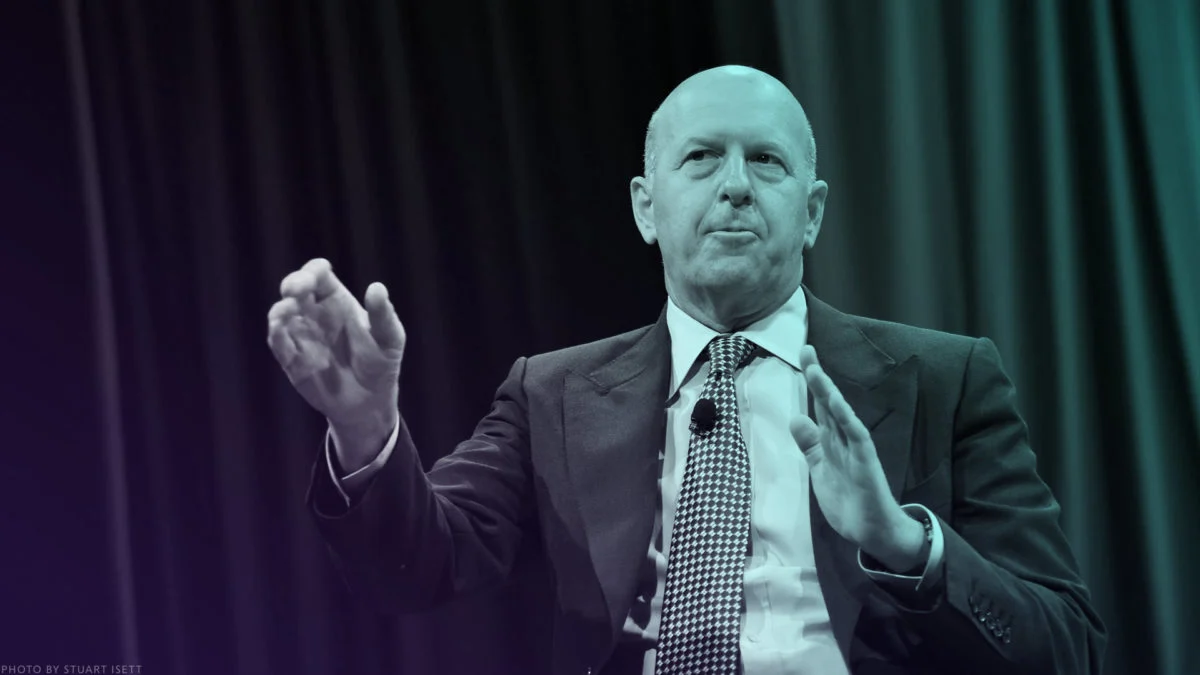
Goldman Sachs CEO David Solomon made headlines at the World Liberty Forum 2026 in Mar-a-Lago, Florida, when he disclosed that he owns a small amount of Bitcoin. This admission is significant, considering Solomon’s previous cautious stance on cryptocurrencies. "I’m still trying to figure out how Bitcoin behaves," Solomon stated, indicating his ongoing exploration of the digital asset landscape while admitting he owns "very little" Bitcoin.
Solomon’s Evolving Perspective on Bitcoin
Historically, David Solomon has taken a skeptical view on cryptocurrencies. In a July 2024 CNBC interview, he characterized Bitcoin as a speculative investment and expressed uncertainty about its practical applications. However, he acknowledged the potential for Bitcoin to serve as a store of value, indicating some openness to the asset’s utility. This balanced outlook reflects a broader trend among institutional investors reassessing the role of cryptocurrencies in their portfolios.
In January 2025, Solomon reiterated that Goldman Sachs had a policy against owning or being involved with Bitcoin and other cryptocurrencies. However, he clarified that this perspective is evolving, with his views regarding digital assets beginning to shift "very recently." This change is reflective of a broader acceptance within the financial industry as regulations and market structures continue to develop.
The Impact of Regulatory Frameworks
The policy change comes at a time when the cryptocurrency regulatory landscape is starting to solidify. With the Biden administration taking a proactive stance toward digital assets, President Donald Trump signed the GENIUS Act last summer, marking a crucial step in U.S. crypto regulation. The guidelines aim to establish a framework for stablecoins, a major area of interest for institutions like Goldman Sachs. Solomon’s acknowledgment of these developments suggests that large financial entities are seriously considering how to integrate digital assets into their operations.
As Goldman Sachs investigates tokenization and stablecoin technology, they remain focused on legislative progress concerning U.S. market structures. Sources have noted that crypto market structure legislation is currently stalled due to key issues, including how to handle stablecoin yields and address potential conflicts of interest related to former President Trump’s involvement with World Liberty.
World Liberty Forum and Crypto Innovations
The World Liberty Forum, where Solomon made his comments, is notable for being associated with President Trump and his family, further blurring the lines between politics and finance in the realm of cryptocurrencies. Launched in October 2024, World Liberty promoted innovative ideas around decentralized finance (DeFi) and stablecoins. The recent launch of their USD1 stablecoin in March 2025 signifies a growing interest in creating digital currency solutions that can coexist alongside traditional financial systems.
The forum gathered influential figures from various sectors, showcasing a collective interest in exploring how financial institutions can leverage digital assets. Solomon’s participation underscores the legitimacy that established financial leaders bring to the discussion, signaling an evolving perception of cryptocurrencies within institutional frameworks.
Goldman Sachs’ Adjustments in Crypto Holdings
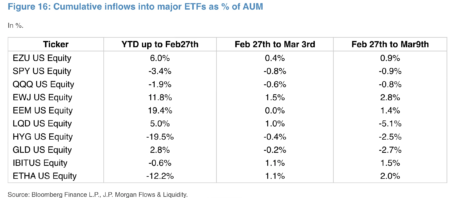
In the face of shifting perspectives, Goldman Sachs has begun to make strategic adjustments to its crypto holdings. Recently, the bank reduced its investments in spot Bitcoin and ether exchange-traded funds (ETFs) by approximately 40%. This decision reflects a cautious strategy in response to market volatility and uncertainty surrounding regulatory developments.
As the bank evaluates its approach to crypto assets, Solomon’s comments signal an intent to stay informed and adaptable to fast-evolving market conditions. This evolution is essential for financial institutions looking to navigate the complexities of digital currencies and their implications for investment strategies.
Future Outlook and Conclusion
As David Solomon navigates his personal and institutional relationship with Bitcoin, it becomes clear that the evolution of cryptocurrencies will continue to be a focal point for financial institutions. Goldman Sachs’ cautious yet open approach to digital assets speaks to a broader trend of financial entities becoming increasingly involved in the crypto space.
The shifts in regulatory frameworks, such as the GENIUS Act, will play a critical role in how traditional finance interacts with cryptocurrencies moving forward. As Solomon himself stated, he does not consider himself a "great Bitcoin prognosticator." Nonetheless, his engaged exploration and recognition of Bitcoin’s potential could signal a pivotal moment for both Goldman Sachs and the broader financial industry in navigating the complexities of digital assets.
In sum, as the conversation around Bitcoin and cryptocurrencies continues to evolve, institutional leaders like David Solomon will be at the forefront, helping shape the financial landscape’s future. The ongoing dialogue and developments in crypto regulation, alongside changing perceptions, may very well pave the way for more significant institutional adoption of digital assets in the years to come.