



The Implications of Trump’s Greenland Annexation Proposal on Global Markets
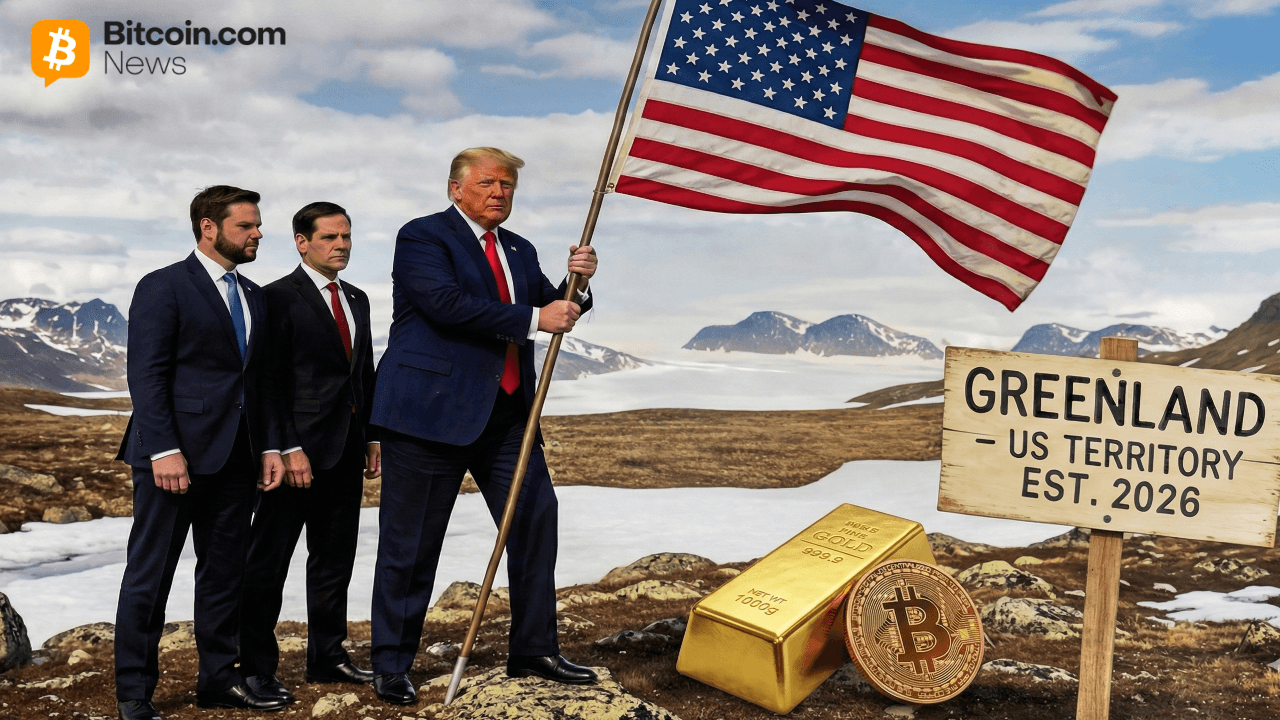
President Trump’s assertion regarding the potential annexation of Greenland has triggered a ripple effect across global markets, stirring both geopolitical tensions and economic uncertainties. As discussions unfold, investors are increasingly turning to safe-haven assets such as gold and silver, indicative of a broader desire for stability amidst volatile political landscapes. This move highlights the intricacies of how international relations can directly affect economic behaviors.
Gold has emerged as a focal point in this climate of uncertainty, reaching a historic high of over $4,700 per ounce, marking a significant milestone for investors. This surge in gold prices is not merely coincidental; it reflects a broader trend in which economic stability is threatened by geopolitical events. As investors seek to mitigate risks associated with political upheaval, gold retains its reputation as a reliable store of value, especially during turbulent times.
In contrast, bitcoin, often touted as a modern-day digital gold, has experienced a decline, falling below the $91,000 mark. This drop signals a divergence in investor sentiment towards traditional versus digital assets. While bitcoin has garnered serious attention as an alternative investment, in times of geopolitical crisis, many opt for the tried-and-true value retention that gold offers. This trend raises questions about the long-term viability of cryptocurrency as a safe haven during such unrest.
The implications of Trump’s Greenland proposal extend beyond immediate market reactions. The geopolitical landscape surrounding the acquisition of territories involves complex relationships with countries like Denmark and China, who have vested interests in Greenland’s resources. Any action on this front could provoke responses that further escalate tensions, thus influencing global investment strategies. Investors are likely to keep a close watch on diplomatic channels in the forthcoming months as the situation unfolds.
The current dynamics in global markets reflect a broader narrative of uncertainty stemming from political decisions. The interplay between geopolitics and financial markets emphasizes the need for investors to remain vigilant. With safe-haven assets gaining traction, diversification into gold and silver might become a strategic approach for wealth preservation amidst global economic shifts.
In conclusion, President Trump’s intentions regarding Greenland have not only sparked geopolitical debates but also significantly impacted global financial markets. Gold’s ascent to record highs stands in stark contrast to the faltering bitcoin, illustrating differing investor behaviors in response to political uncertainty. As the global economic landscape evolves, the importance of safe-haven assets in portfolio management remains paramount for securing financial stability in a volatile world.