



The Incredible Journey of a Solo Bitcoin Miner: A Case Study from CKpool
In the ever-evolving landscape of cryptocurrency, the story of a solo miner who recently solved a Bitcoin block is a notable tale of chance and ingenuity. On Thursday, a miner operating on CKpool software achieved an extraordinary feat by solving block 944,306 and earning a total reward of 3.128 BTC, which translates to approximately $222,012. This staggering amount broke down into a block subsidy reward of 3.125 BTC ($221,800) and additional transaction fees of 0.003 BTC ($212). This achievement highlights the unique circumstances surrounding solo mining and the changing dynamics of the Bitcoin network.
CKpool, the platform utilized by this solo miner, may often appear as a conventional mining pool; however, it diverges from the standard collaborative mining strategy. Here, many users engage in solo mining, accepting a considerably lower likelihood of discovering a block but retaining the full rewards if successful, minus a minor fee. This method sidesteps the complexities associated with running extensive mining infrastructures, presenting a unique blend of simplicity and high risk.
The odds of such success are staggering. For context, CKpool developer Con Kolivas noted that the miner, who operates with a hash power of only 70 TH, had roughly a 1 in 100,000 chance of solving a block each day. To visualize that likelihood, it’s approximately a once-in-300-year occurrence for an entity with such a modest hash power, equivalent to a single 2019-era Bitmain Antminer S17+. This significant contrast emphasizes the sheer magnitude of computational power in the Bitcoin network as a whole.
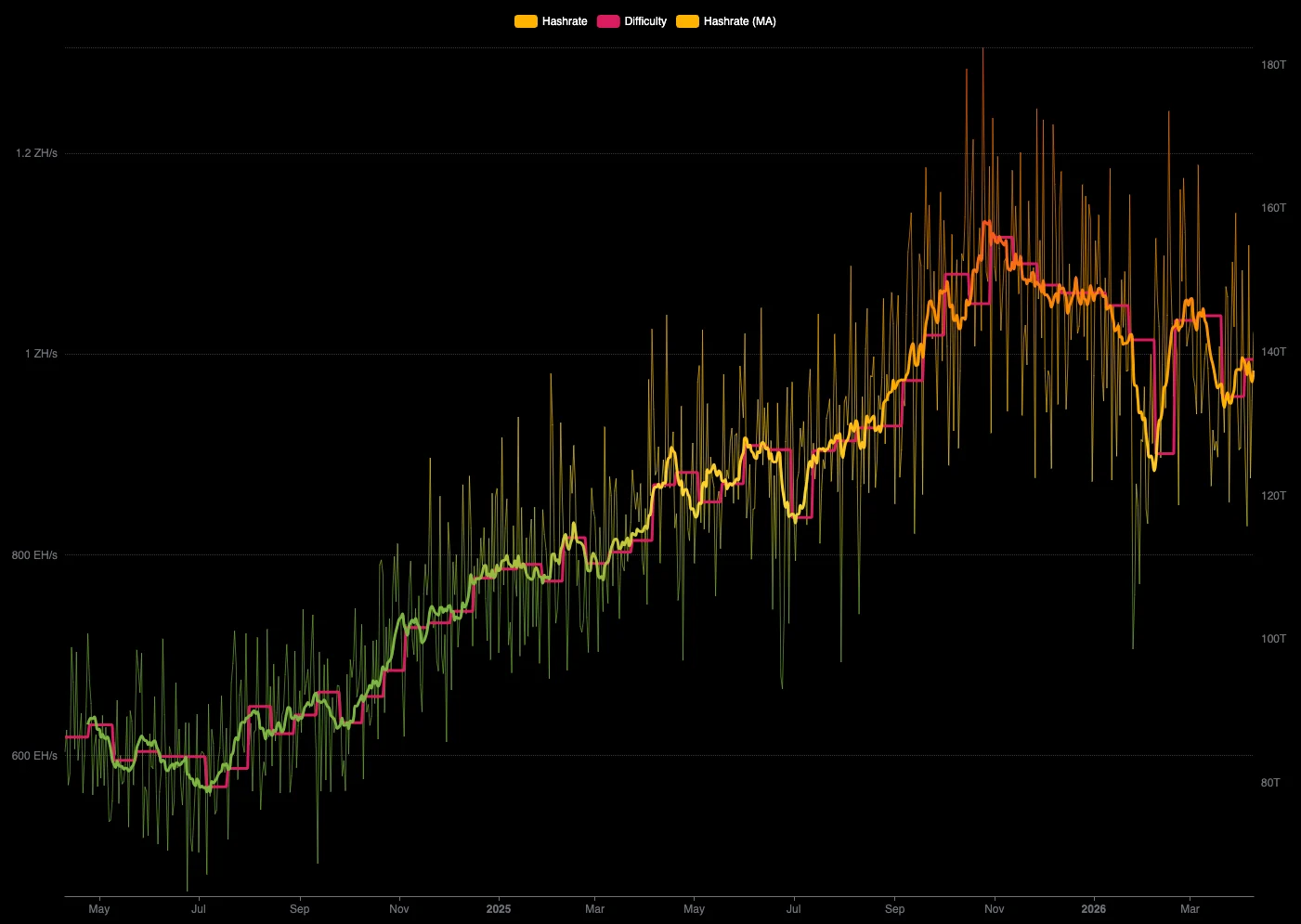
As of early April 2023, the Bitcoin network’s total estimated hash power approached 1.02 ZH/s, dwarfing the capabilities of individual solo miners. Leading public miners like Bitdeer and MARA Holdings showcased their immense strength with hash rates of around 71 EH/s and 61.7 EH/s, respectively. In such a competitive environment, the solo miner’s hash power represented a minuscule 0.0000069% of the overall network, underscoring the grand scale of Bitcoin mining and the remarkable odds that solo miners face.
Historically, the success of solo miners has shown that while they deal with long odds, they can occasionally achieve significant victories. Just a week prior to this latest breakthrough, another solo miner on CKpool secured a similar reward after a substantial dry spell that lasted 33 days. Additionally, the records from previous months reveal miners beating odds as improbable as 1 in 100 years and 1 in 82 years to achieve large rewards, showcasing the unpredictable nature of solo mining.
As the landscape of Bitcoin mining continues to adapt with technological advances and market dynamics, stories like that of this solo miner offer insights into the varied approaches miners are taking. Despite the significant risks involved in solo mining, especially when competing against giant mining operations, the allure of receiving the entire block reward represents a powerful motivator for many in the crypto space. The thrill of potentially big wins interwoven with the daunting odds contribute to the rich tapestry of the Bitcoin mining narrative, making it a fascinating subject for both miners and enthusiasts alike.
In conclusion, the story of this recent solo Bitcoin miner underscores both the extraordinary potential and inherent risks of cryptocurrency mining. As the industry evolves, such narratives encourage new entrants to assess their strategies, whether in mining pools or through solo efforts. The unpredictable nature of solo mining, as exemplified by this miner’s success, serves as a reminder of the excitement and volatility that characterize the world of Bitcoin. For those willing to embrace the challenge, ventures like CKpool continue to offer a unique avenue for individual miners, turning the impossible into possible, one block at a time.