


Navigating the Uncertainty of "Liberation Day": Impacts on Bitcoin and Global Tariffs
As "Liberation Day" approaches, President Trump is poised to reveal substantial tariffs, including reciprocal tariffs on various nations. Analysts are concerned about the effects of these trade measures on the financial landscape, particularly within the cryptocurrency sphere. Following recent unfavorable economic indicators, Bitcoin has experienced a downturn of approximately 4% over the past week, reflecting a broader market sell-off linked to tariff discussions. Amid these turbulent conditions, some experts point to the potential developments regarding the U.S. Strategic Bitcoin Reserve, which may provide a glimmer of hope for crypto enthusiasts.
The speculation surrounding Trump’s tariff announcement has created a defensive sentiment among traders, as indicated in a report by K33’s Head of Research Vetle Lunde and Senior Analyst David Zimmerman. Goldman Sachs anticipates average reciprocal tariffs of around 15% affecting all U.S. trading partners. The current market conditions, which see CME traders retreating—suggested by a significant drop in futures premiums and open interest—highlight the cautious approach investors are taking in response to impending tariff news.
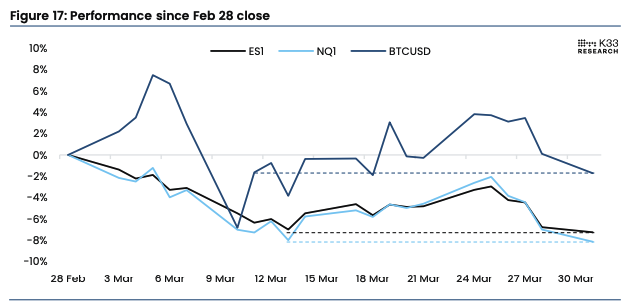
What lies ahead for cryptocurrencies, particularly Bitcoin, is still shrouded in uncertainty. Analysts warn that the correlations between Bitcoin and equities remain high, suggesting that upcoming tariff announcements could significantly influence both markets. The consensus anticipates a continued choppy trading environment throughout April, with Bitcoin potentially remaining within a consolidation range of $75,000 to $88,000. However, analysts caution that the market may not gain clarity even after the April 2 announcement, as ongoing negotiations and unexpected developments are anticipated.
The unpredictable nature of Trump’s rhetoric presents additional risks for the crypto market. BRN lead analyst Valentin Fournier emphasizes the potential for heightened volatility surrounding Trump’s statements, which have fluctuated between aggressive tariff threats and more tempered trade approaches. The broader implication is that until tariff-related uncertainties are resolved, investors must remain prudent, with a cautious stance on digital asset exposure. Similar sentiments are echoed by analysts at QCP Capital, who believe that the current wave of tariffs will keep risk assets under pressure, highlighting an increasingly transactional U.S. approach to global trade.
Specific vulnerabilities exist within the U.S. bitcoin mining sector, which heavily relies on Chinese manufacturing for essential hardware. Pat Zhang, Head of Research at WOO X, warns that further tariffs could lead to increased hardware costs, potential shortages, and ultimately affect the industry’s hashrate activity. On the other hand, some analysts, like Matt Mena from 21Shares, maintain a more optimistic outlook, asserting the importance of Bitcoin staying above the $80,000 to $81,000 threshold. Should it do so, Bitcoin could consolidate between $81,000 and $85,000 until the implications of tariffs become clearer.
Amid these trade discussions, developments surrounding the U.S. Strategic Bitcoin Reserve seem to be overshadowed. Scheduled reports outlining the federal government’s authority to manage approximately 200,000 BTC recently seized hint at significant changes to Bitcoin’s regulatory landscape. Following President Trump’s March 6 executive order to create this reserve, the upcoming deadline for federal agencies to submit their resourcing plans on April 5 could bring increased transparency regarding the reserve’s value and potential restructuring. The timeframes for further bitcoin acquisitions and the strategic execution of these initiatives could create notable market movements in the crypto space.
In conclusion, as we approach "Liberation Day," the interplay between tariffs and the cryptocurrency market remains complex and unpredictable. While analysts foresee continued volatility amid external economic pressures, the development of a Strategic Bitcoin Reserve could pave the way for further engagement with digital assets. Clarity regarding the U.S. government’s bitcoin reserves and acquisition strategies could help drive interest in the crypto community, offering potential avenues for growth once tariff-related uncertainties subside. As always, investors should navigate this landscape with care, given the ebbs and flows that regulatory and economic announcements can usher in.