



Bridging the Gap: Understanding the Disconnect in Crypto Investment Perception
In the evolving landscape of cryptocurrency, Bitwise Chief Investment Officer Matt Hougan has observed a pivotal disconnect between the perceptions of individual investors and the actions increasingly taken by institutional players. This divergence seems to be rooted in behavioral finance, particularly the phenomenon known as anchoring bias. Many investors continue to hold on to outdated narratives shaped by past events—such as the Silk Road scandal and the infamous Mt. Gox collapse—overlooking significant advancements in the crypto space that suggest a burgeoning institutional adoption of on-chain financial infrastructure.
In a recent memo to clients, Hougan articulated that this psychological bias not only distorts the current realities of the crypto market but also limits investors’ ability to recognize the structural shifts actively taking place. Industry titans are leading the charge, and data supporting this shift is increasingly available. For example, BlackRock’s CEO Larry Fink weighed in on the matter by declaring that we are at the inception of the tokenization era, signaling a significant move toward digitizing asset classes. Alongside BlackRock’s rollout of a tokenized Treasury fund and its investment in Uniswap, initiatives from other significant players—like Apollo’s tokenized Diversified Credit Fund and JPMorgan’s deposit token on Coinbase—demonstrate a growing trend toward mainstream tokenization.
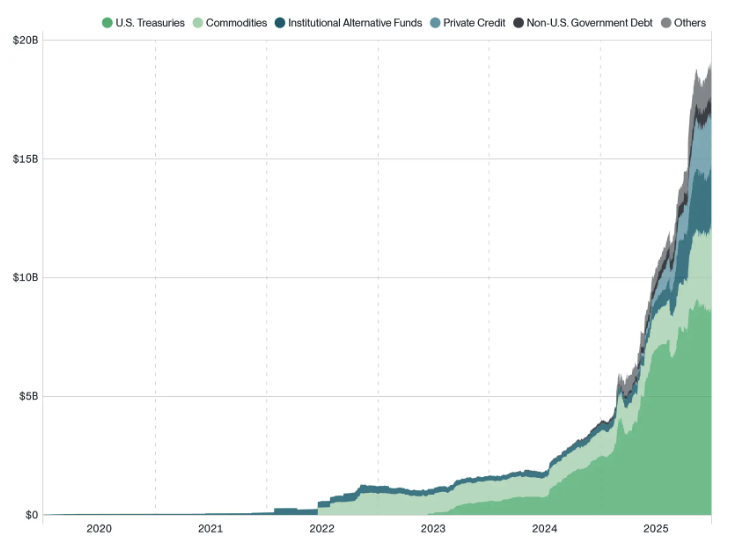
Despite these advancements, the tokenization market remains relatively small compared to traditional finance. Traditional financial markets such as stocks and bonds collectively total around $255 trillion, while the entire tokenized asset market hovers at just about $20 billion. This stark contrast indicates the immense growth potential that exists if tokenization strategies continue to be embraced by more institutions. However, Hougan expressed concern that investor expectations have not yet aligned with this changing landscape. Traditional investors often remain uninformed, while even seasoned cryptocurrency investors exhibit skepticism due to the gradual pace of institutional adoption observed over the years.
Moreover, recent analyses of tokenized real-world assets (RWAs) reveal a notable uptrend in activity, indicative of accelerating infrastructure developments within the crypto ecosystem. The growth trajectory of this market could suggest a pivotal moment for investors willing to pivot their traditional viewpoints. However, Hougan cautioned that uncertainties persist regarding how overall value will accumulate within the crypto landscape. Key questions remain about the potential of public blockchains like Ethereum versus private networks such as Canton and Tempo, as well as whether crypto-native protocols will outperform established financial firms.
Amid uncertainty, Hougan highlighted the prospective opportunities available for those capable of recognizing the discrepancies between outdated beliefs and contemporary market realities. He encouraged investors to look beyond conventional narratives, noting that the most substantial investment opportunities often arise when the consensus narrative is stale. This creates an opening for those who are prepared to adapt to the rapid changes within the sector. According to Hougan, building a diversified approach could enable investors to capitalize on the ongoing structural changes taking shape in the market.
In summary, Hougan’s observations reflect a critical junction in the cryptocurrency investment landscape—a moment characterized by discrepancies between investor perception and realignment with institutional actions. As institutions continue to explore on-chain innovation and asset tokenization, investors are encouraged to broaden their perspectives and reconsider their investment strategies. By recognizing the potential for significant growth in the tokenized asset space, a more nuanced understanding of the evolving crypto landscape may provide lucrative opportunities for informed investors.
Disclaimer: This content is for informational purposes, not intended as legal, tax, investment, or financial advice.