



The Recent Dynamics of Bitcoin: Market Fluctuations Amid Geopolitical Tensions
Bitcoin (BTC) has recently shown significant volatility, driven predominantly by stronger spot demand and substantial inflows from exchange-traded funds (ETFs). Despite this optimistic influx exceeding $1.1 billion over three trading sessions, the market’s fragility was underscored by renewed outflows and a cautious macroeconomic backdrop, leading Bitcoin’s price to slip below $70,000. Analysts from Bitfinex revealed that since March 1, an impressive $3.5 billion was market-bought in a systemic approach, indicating enhanced buying activity across exchanges, particularly in response to escalating tensions in Iran. This has prompted renewed demand from U.S. investors, as represented by the Coinbase premium returning to positive territory after a prolonged period of negativity.
However, the encouraging trend in ETF investments encountered a setback when outflows resumed on March 5, following three days of robust inflows. For instance, U.S. spot Bitcoin ETFs attracted $458.2 million on March 2, $225.2 million the next day, and $461.9 million on March 4, before yielding a net outflow of $227.9 million on March 5. Notably, BlackRock’s IBIT led the inflows in the days prior, but the subsequent downturn indicates a correction in market sentiment, leading Bitfinex to suggest that institutional sellers were attempting to absorb selling pressure from miners and long-term holders.
As Bitcoin exhibits notable strength in the face of geopolitical unrest, some analysts like Matt Mena from 21Shares have posited that BTC is evolving from its traditional "risk asset" designation toward a "flight-to-safety" asset, akin to gold. This shift in perception arises especially after observing gold’s impressive performance, while Bitcoin initially lagged. Despite the promising view that spot ETF holders maintain steadiness in their investments, a contrasting perspective remains prevalent. Research analyst Nicolai Sondergaard from Nansen highlighted Bitcoin’s price fluctuation between $60,000 and $71,000, indicating a need for a decisive breakthrough above these levels for a more affirming market outlook.
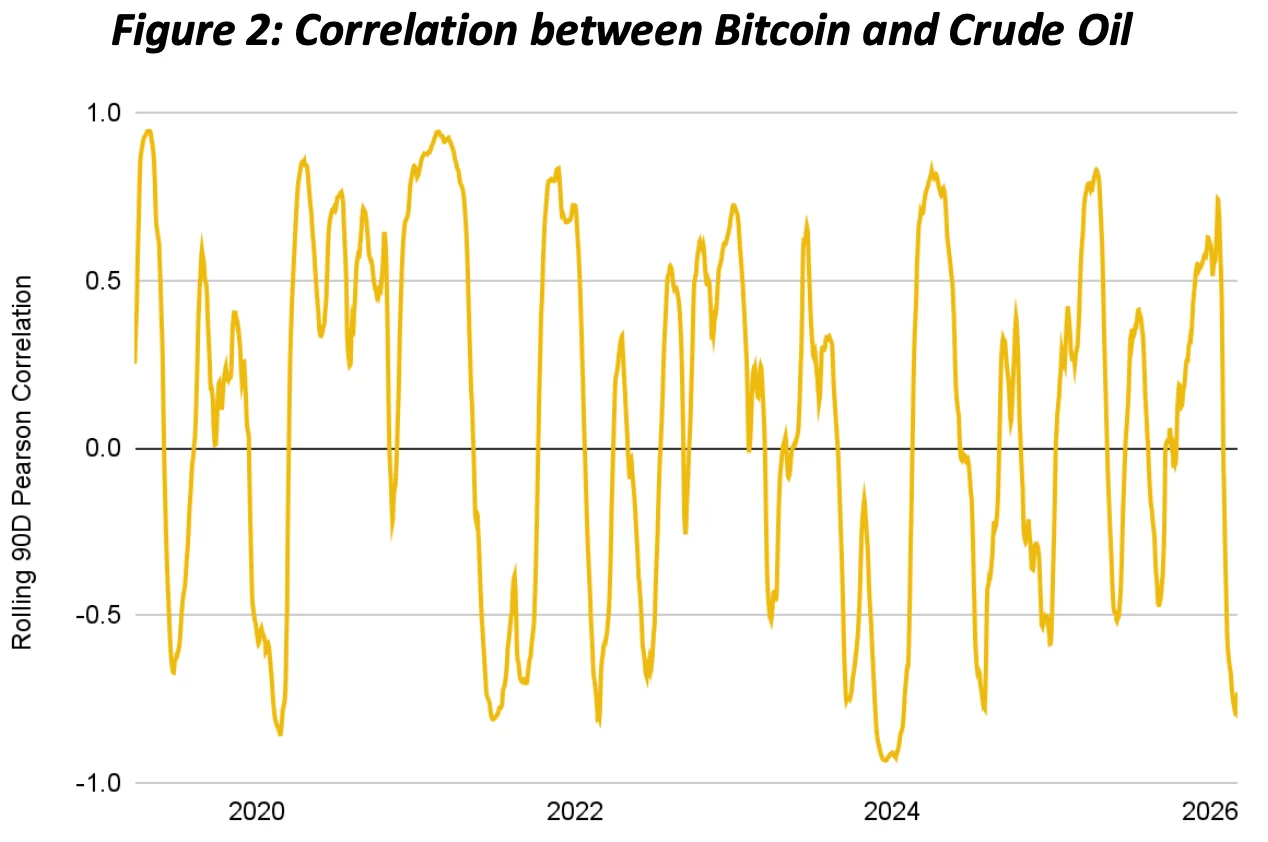
The prevailing economic environment has undeniably shaped Bitcoin’s trajectory. Analysts from QCP Capital cautioned against overreliance on geopolitical events as primary drivers of Bitcoin’s value, attributing crucial market dynamics to oil prices instead. While Bitcoin initially resisted significant dips before rallying due to ETF inflows and increased open interest, it ultimately ceded part of its gains as macroeconomic volatility returned. The sustainability of Bitcoin’s rally hinges significantly on the stability of energy prices, as elevated oil prices could inhibit broader market growth.
In assessing Bitcoin’s place within a more complex market framework, Binance Research emphasizes that its relationship with oil seems inconsistent and dependent on prevailing market regimes. Investors should remain mindful of the ongoing interplay between geopolitical conditions, emerging technologies, and broader economic weaknesses in private credit, as these factors collectively influence Bitcoin’s pricing dynamics. The current market phase reflects a delicate balance: on one side is the absorption of market influx from spot trading and institutional engagement, while on the other, renewed ETF withdrawals and macroeconomic pressures threaten to undermine this progress.
As the cryptocurrency market prepares for another trading weekend, Bitcoin’s current rebound is somewhat healthier than past rallies due to moderate leverage levels in the market. Bitfinex suggests that while open interest moves positively in line with spot demand, a cautionary note remains regarding long-liquidation zones around the $70,000 mark. A potential retest of this critical price point indicates that Bitcoin still navigates a delicate balance between factors fostering demand and those that threaten downward pressure.
In summary, while Bitcoin’s recent rally may signal the re-emergence of buyer activity, discerning market participants should remain alert to ongoing macroeconomic and geopolitical developments. Caution is advised as the market continues to react to payroll data, inflation reports, and broader geopolitical narratives. Current valuations place Bitcoin around $69,925, reflecting a drop of over 4.1% within 24 hours, mirroring a similar downward trend in Ethereum (ETH) and other major altcoins. As the cryptocurrency landscape remains dynamic, investors are urged to stay informed on these evolving narratives and market conditions.